The Bosnian Valley of the Pyramids: A Global Mystery
The Largest and Oldest Pyramid Complex on Earth
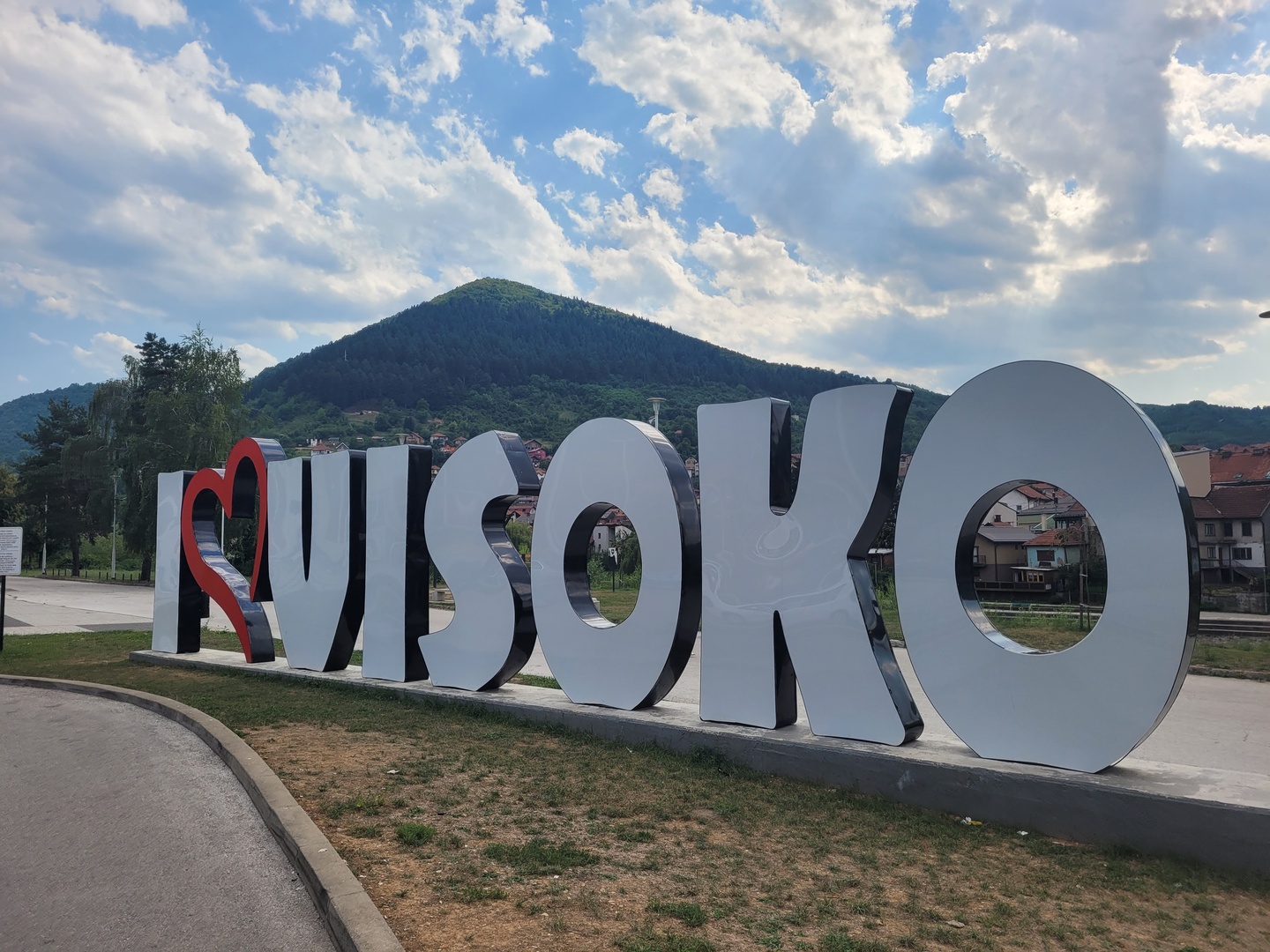
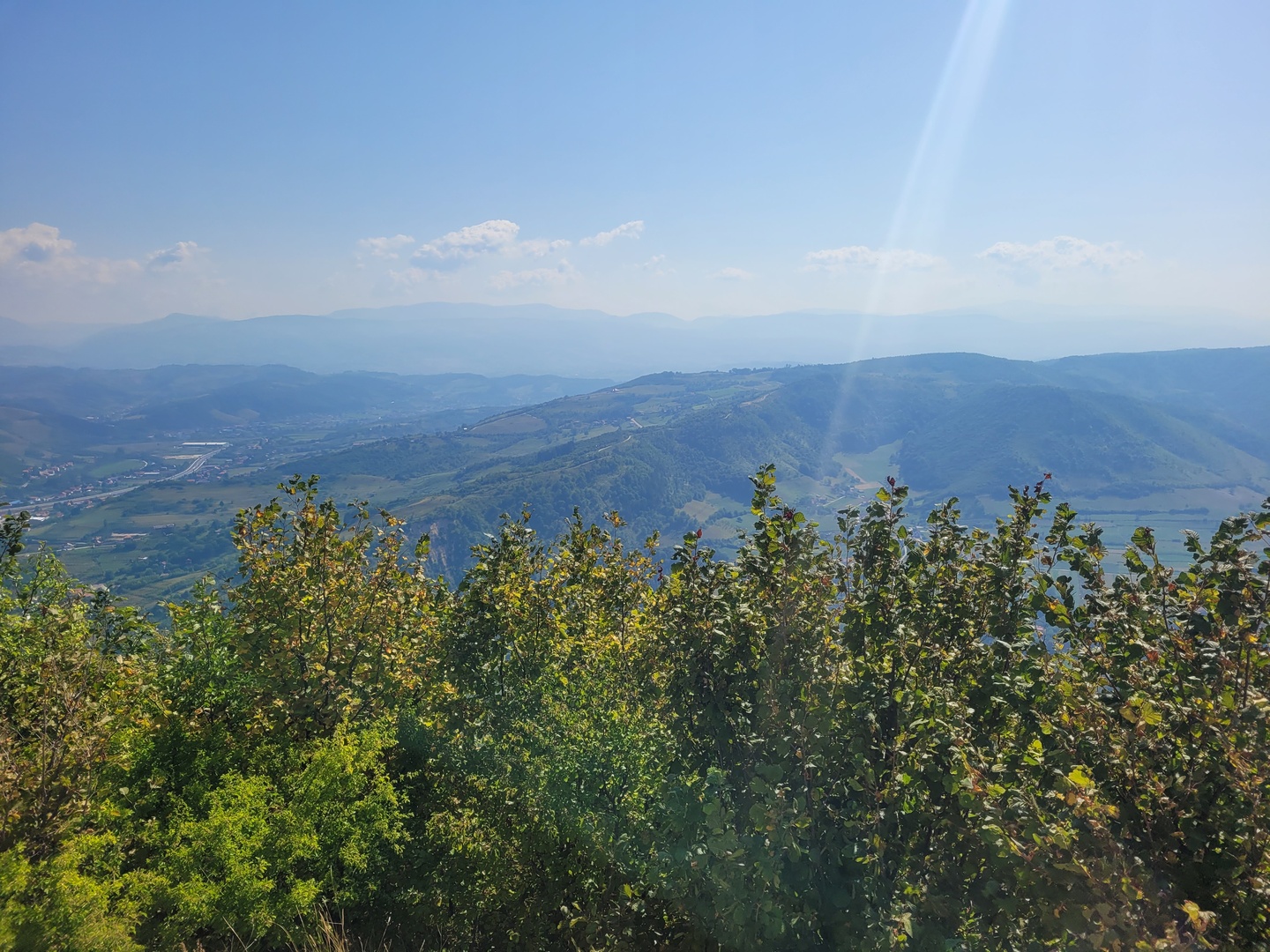
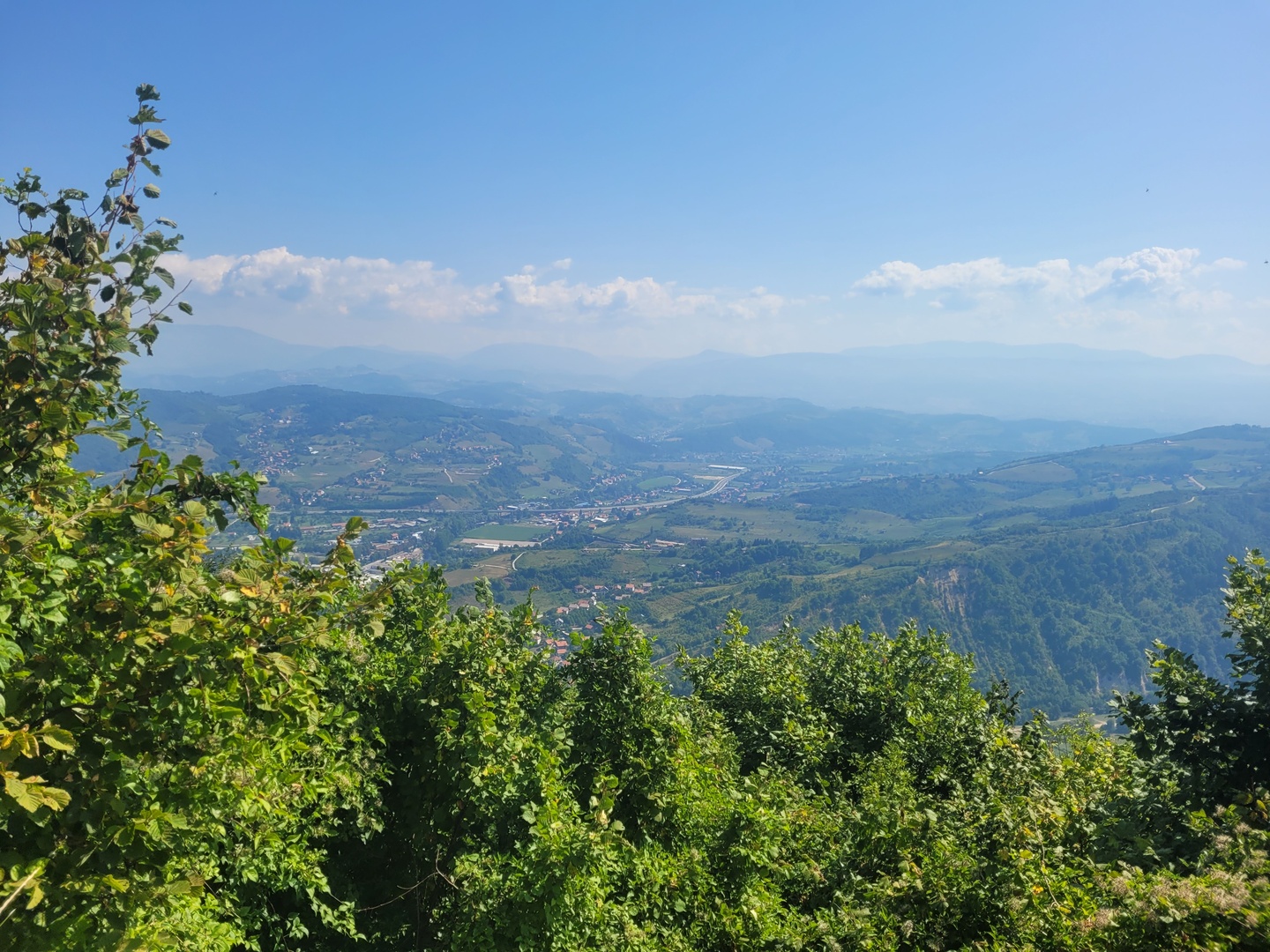
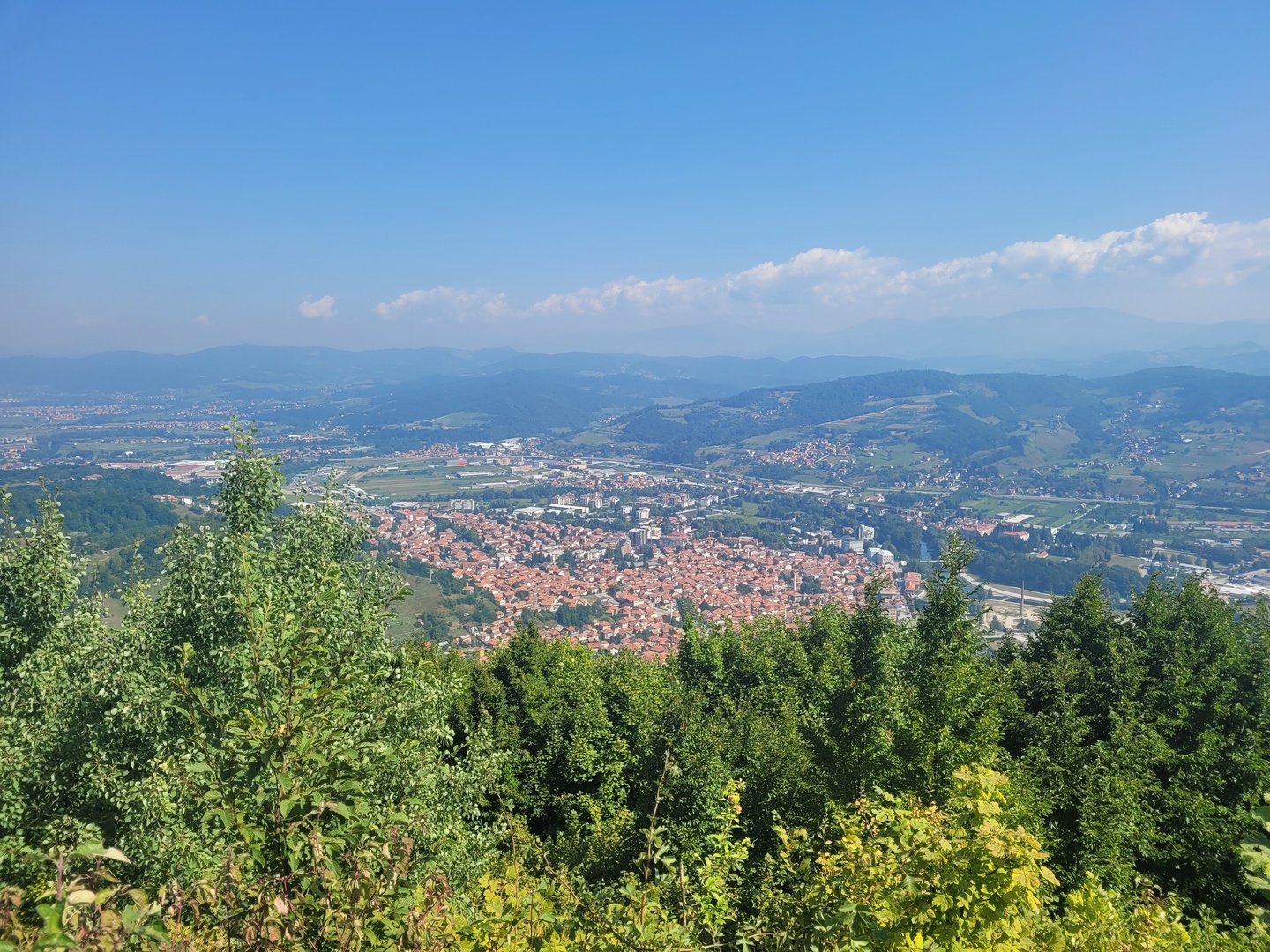
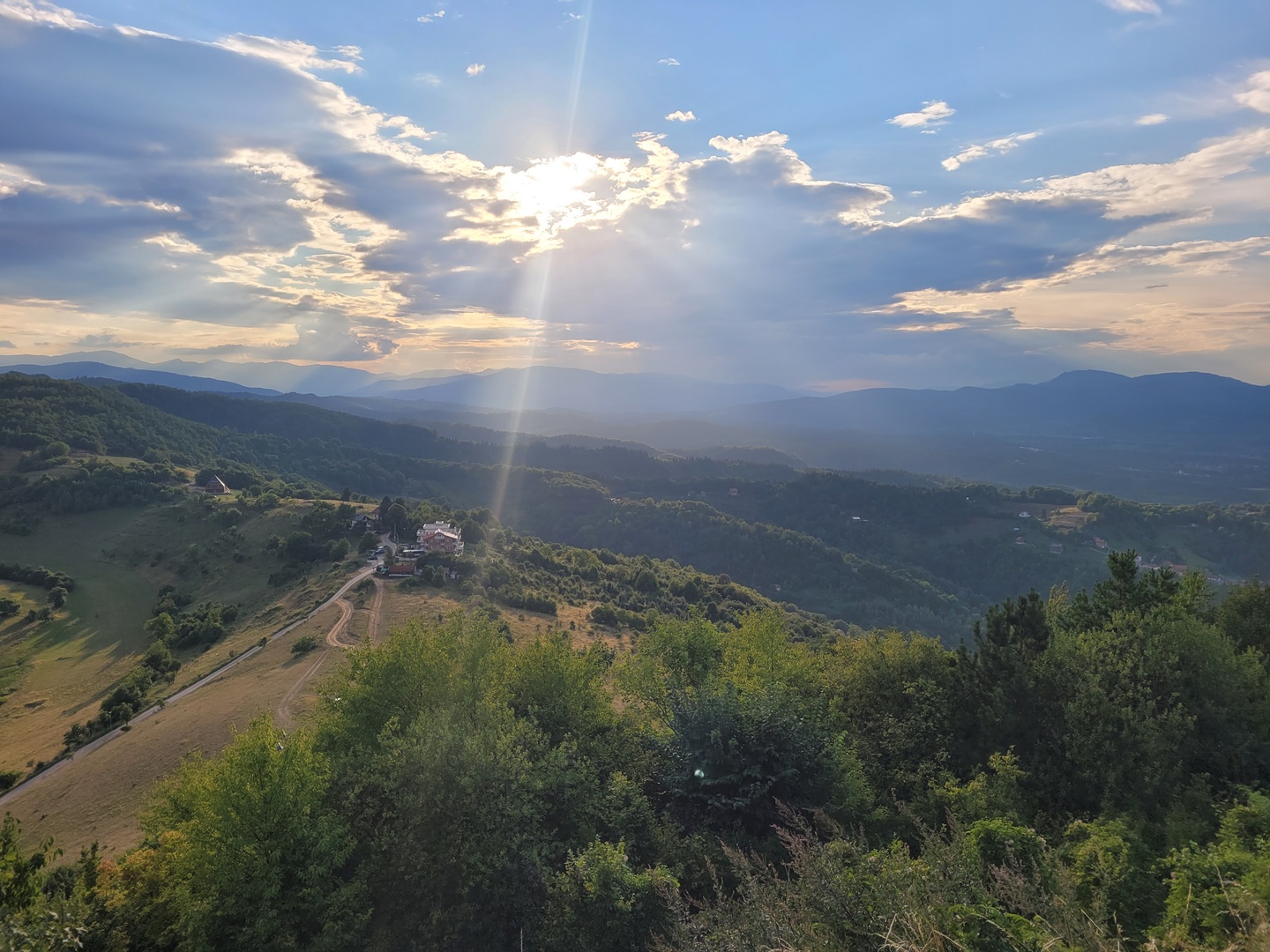
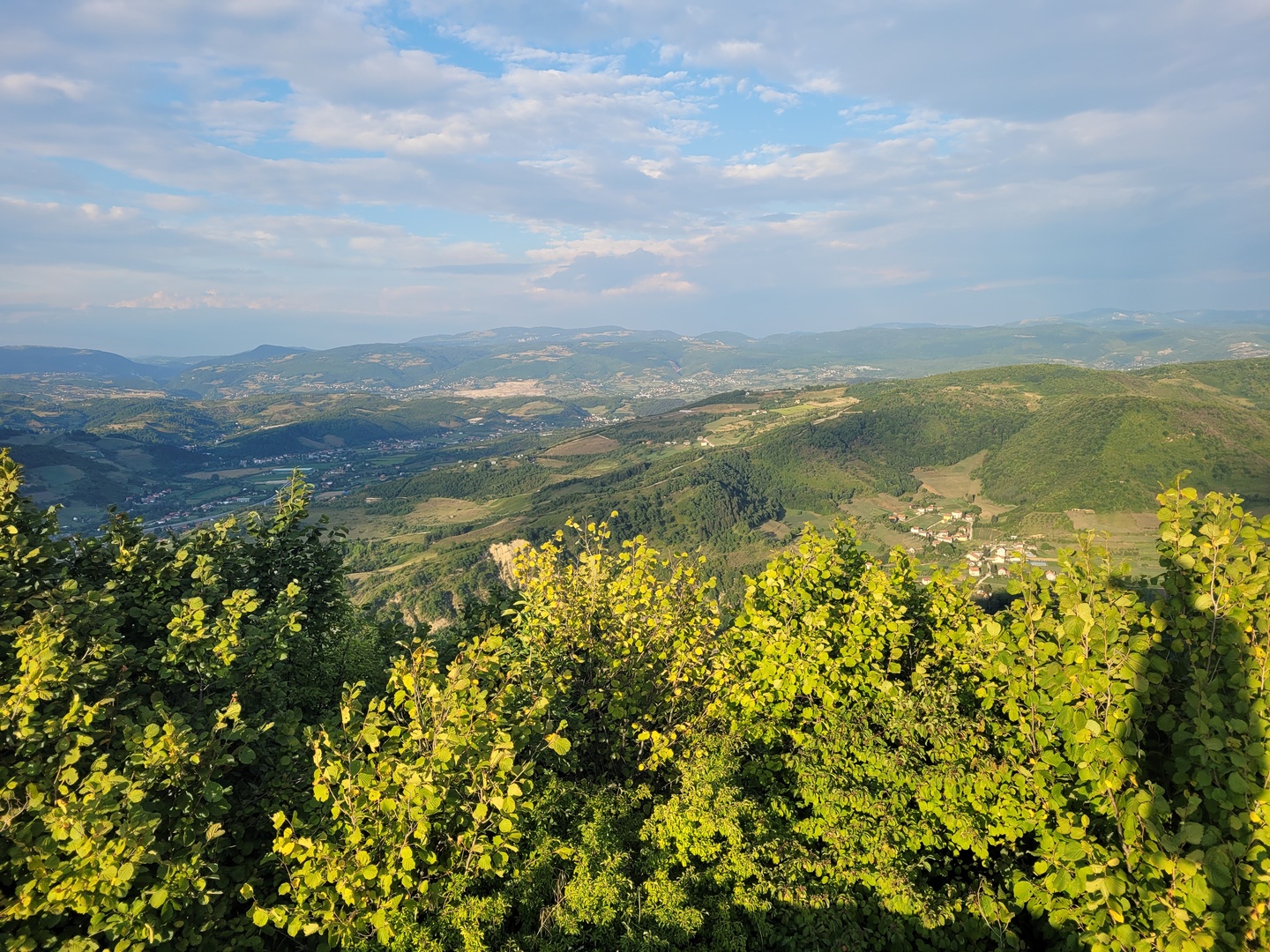
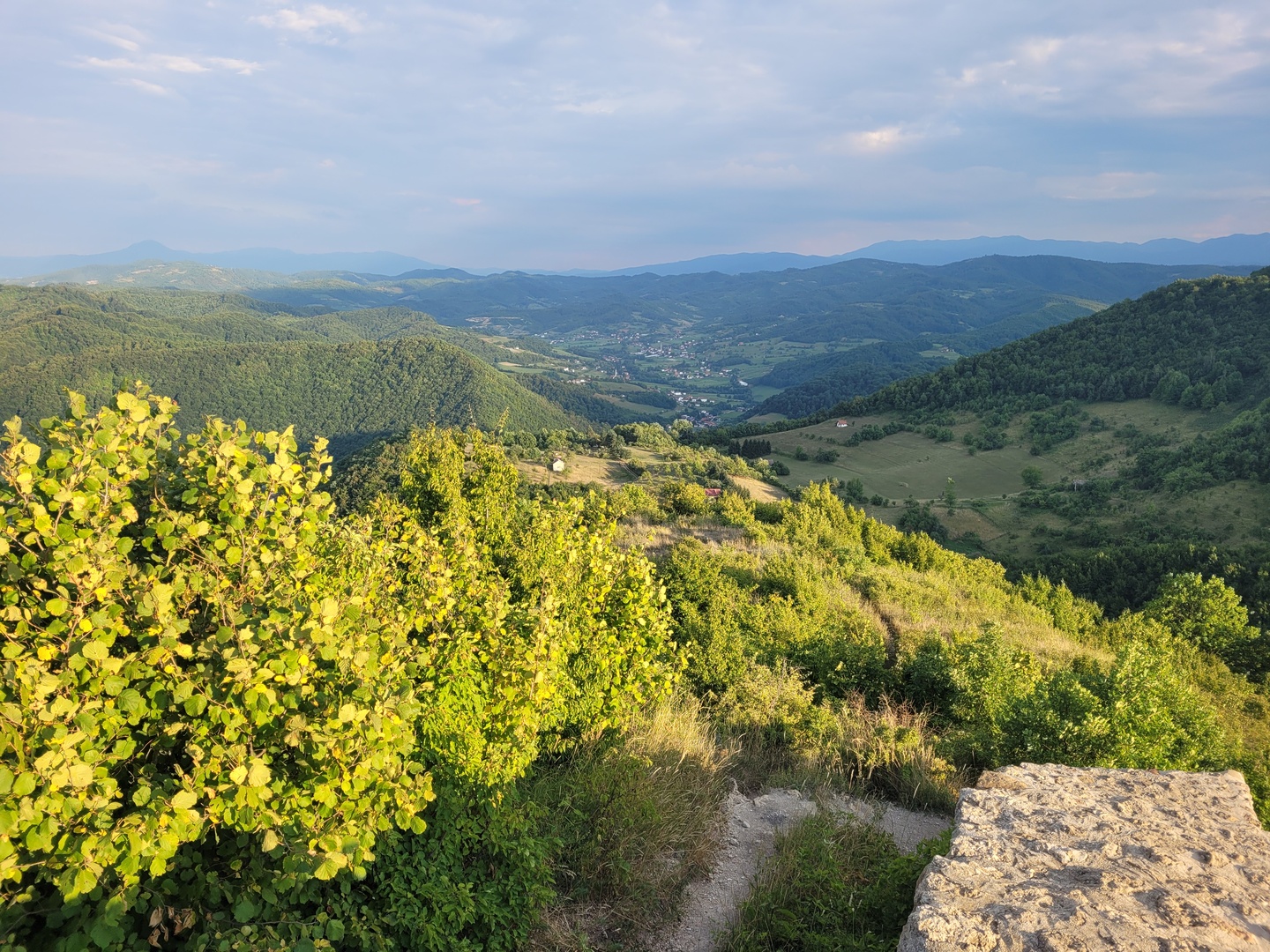
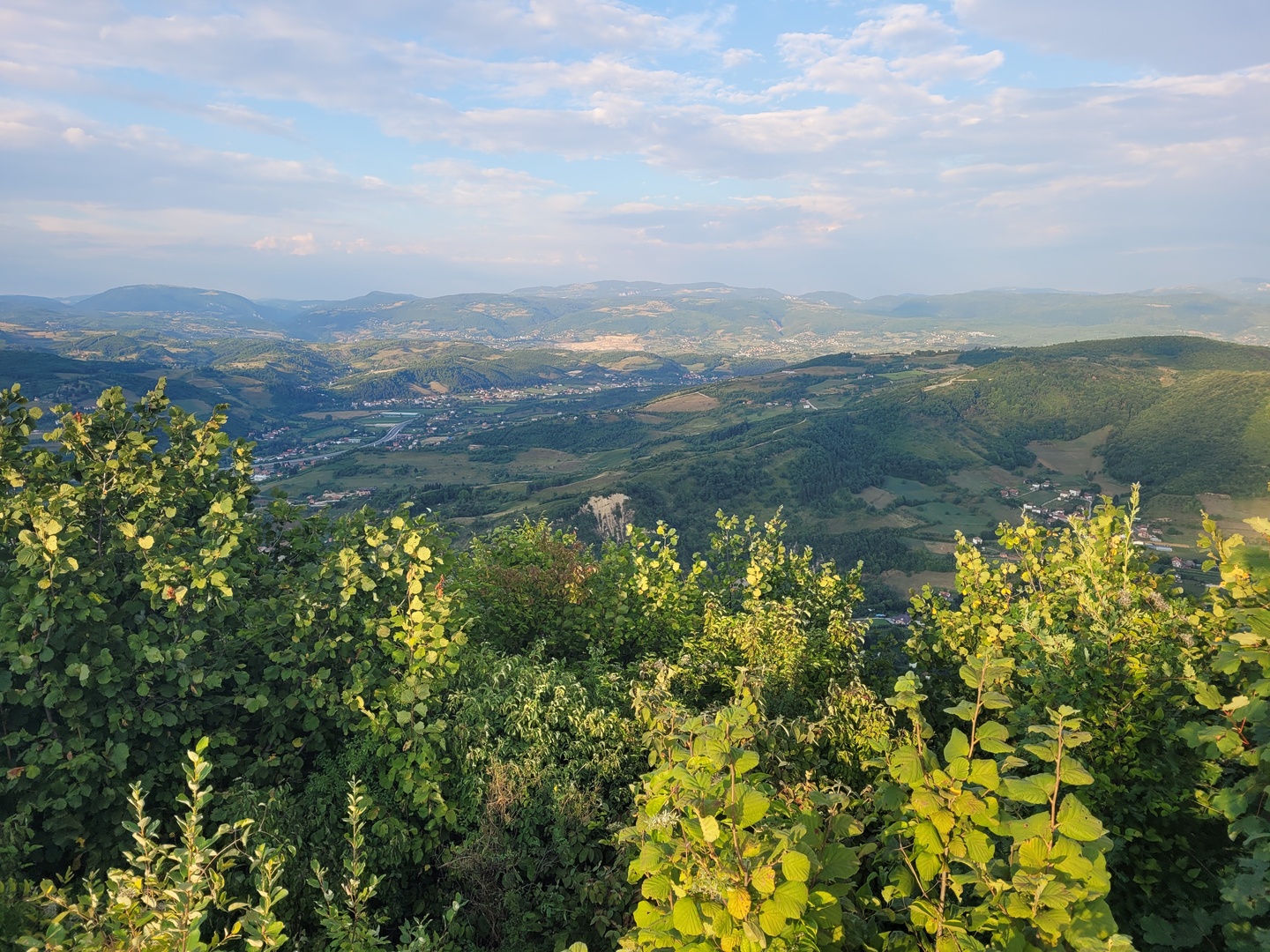
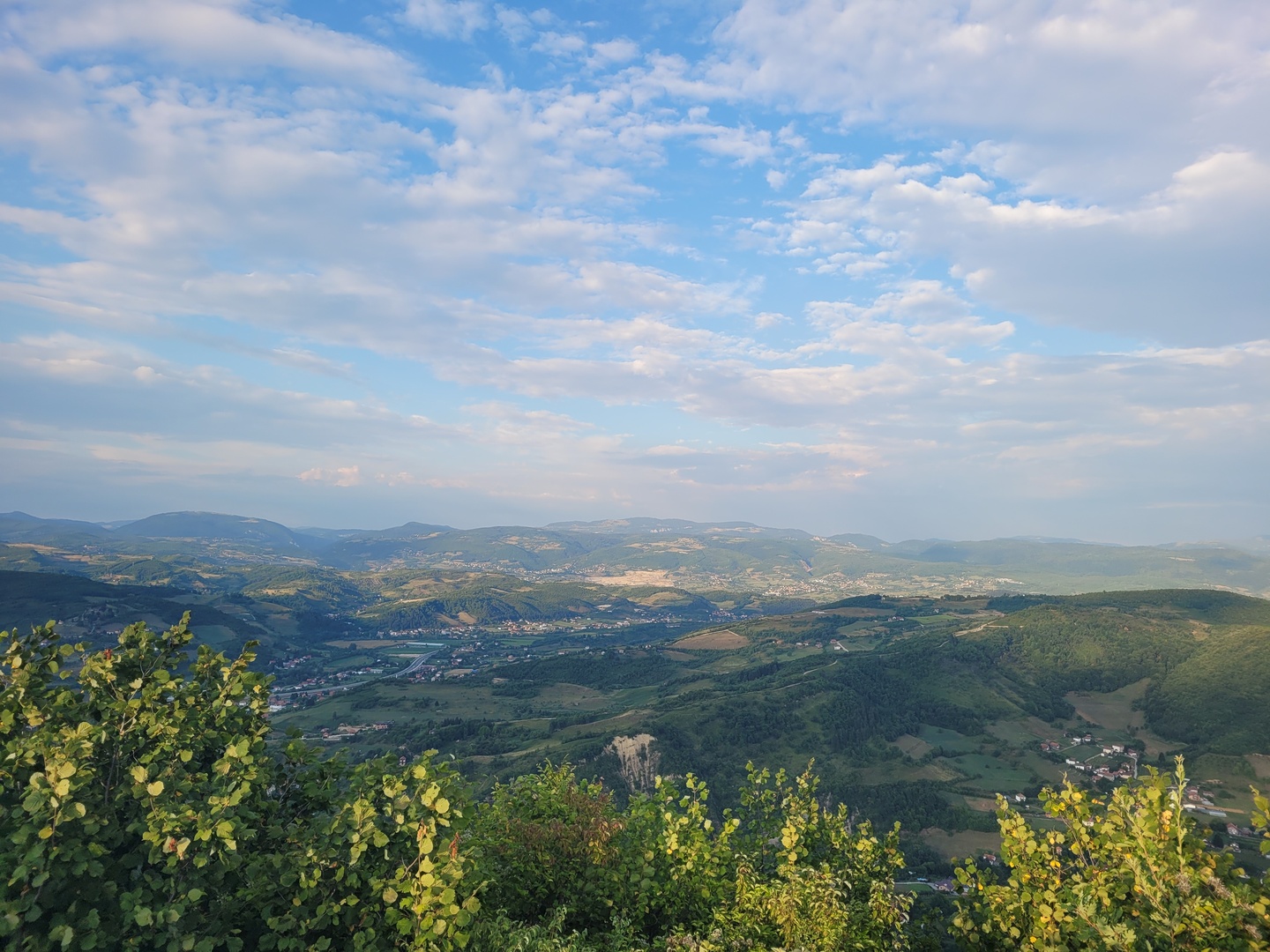
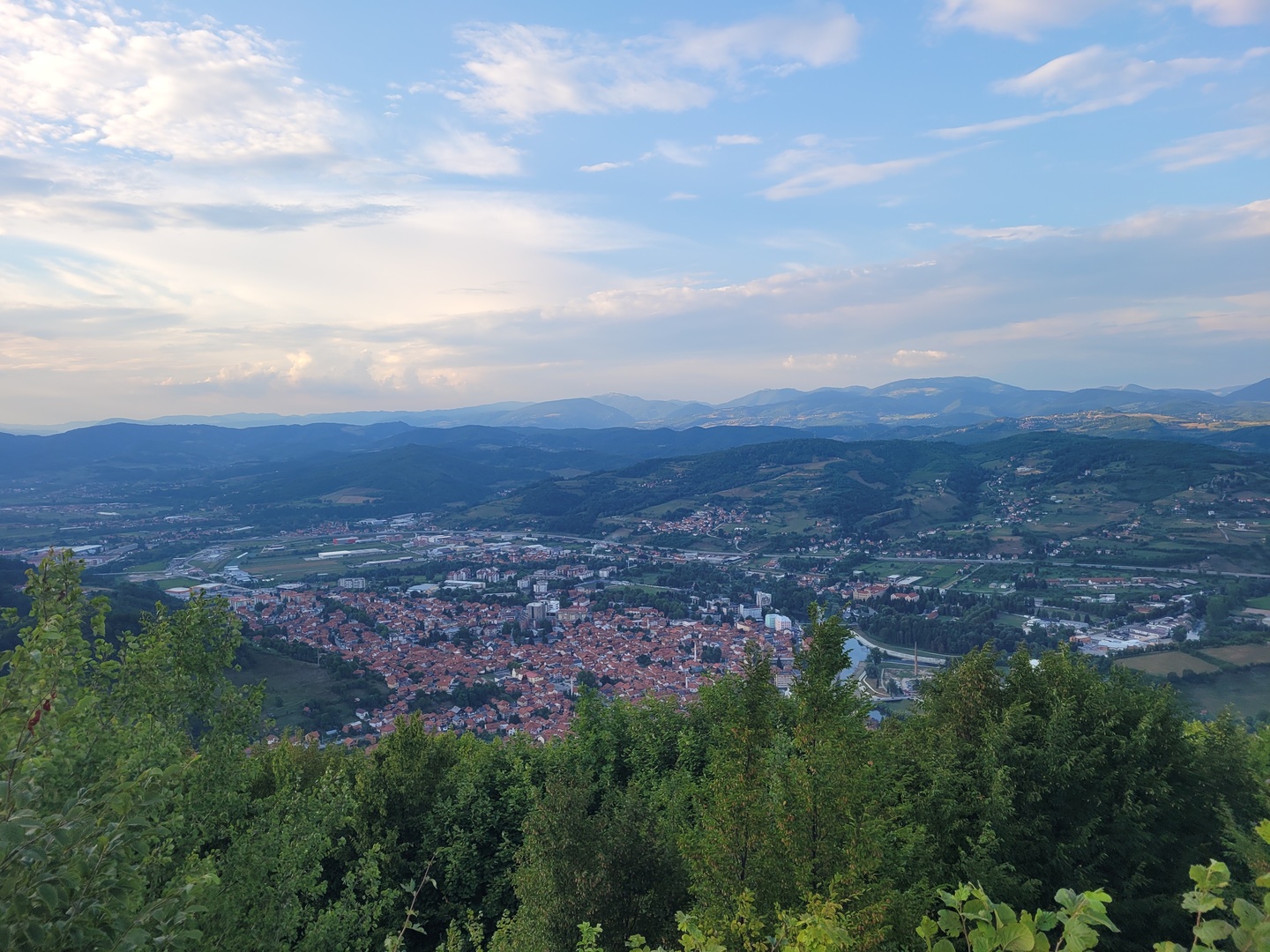
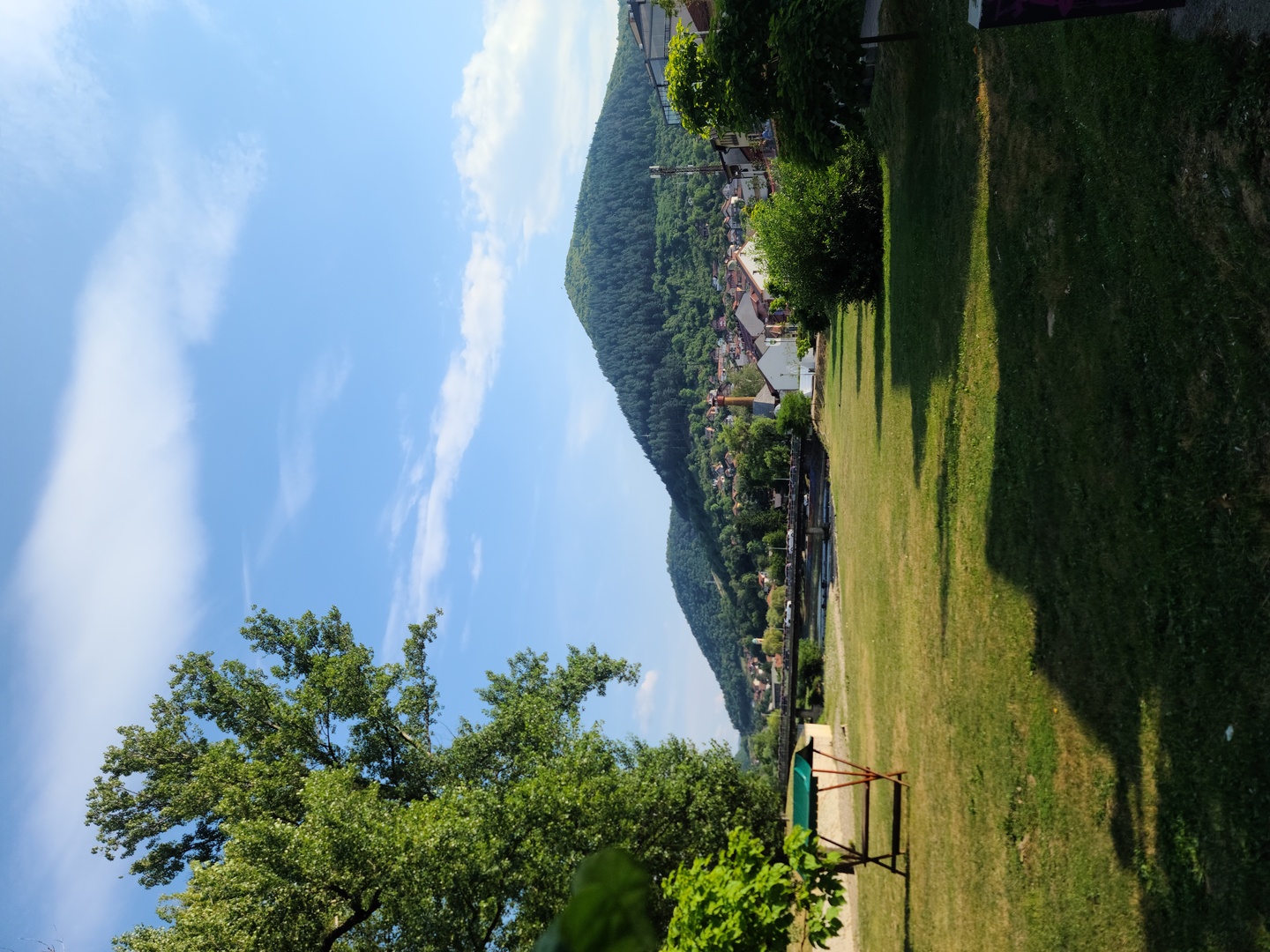
Located just 30 kilometers from Sarajevo, the Bosnian Pyramids in Visoko are redefining our understanding of human antiquity. First identified in 2005 by researcher Dr. Sam Osmanagich, this complex is widely considered the largest and oldest pyramid structure ever documented, predating even the Great Pyramids of Giza. With precise cosmic alignments, man-made concrete blocks harder than modern materials, and measurable energy phenomena, these structures challenge everything we thought we knew about ancient civilizations.
The Bosnian Valley of the Pyramids
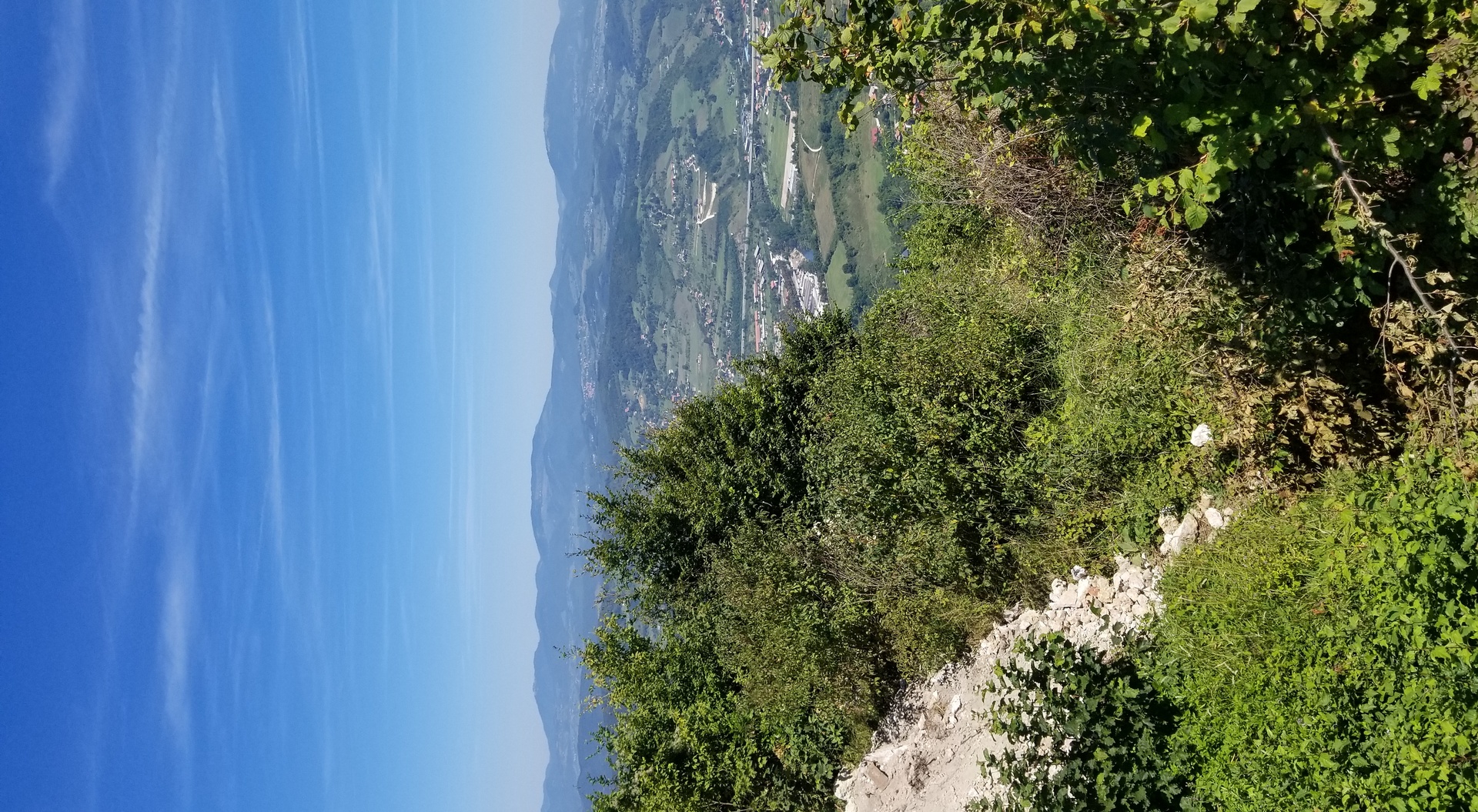
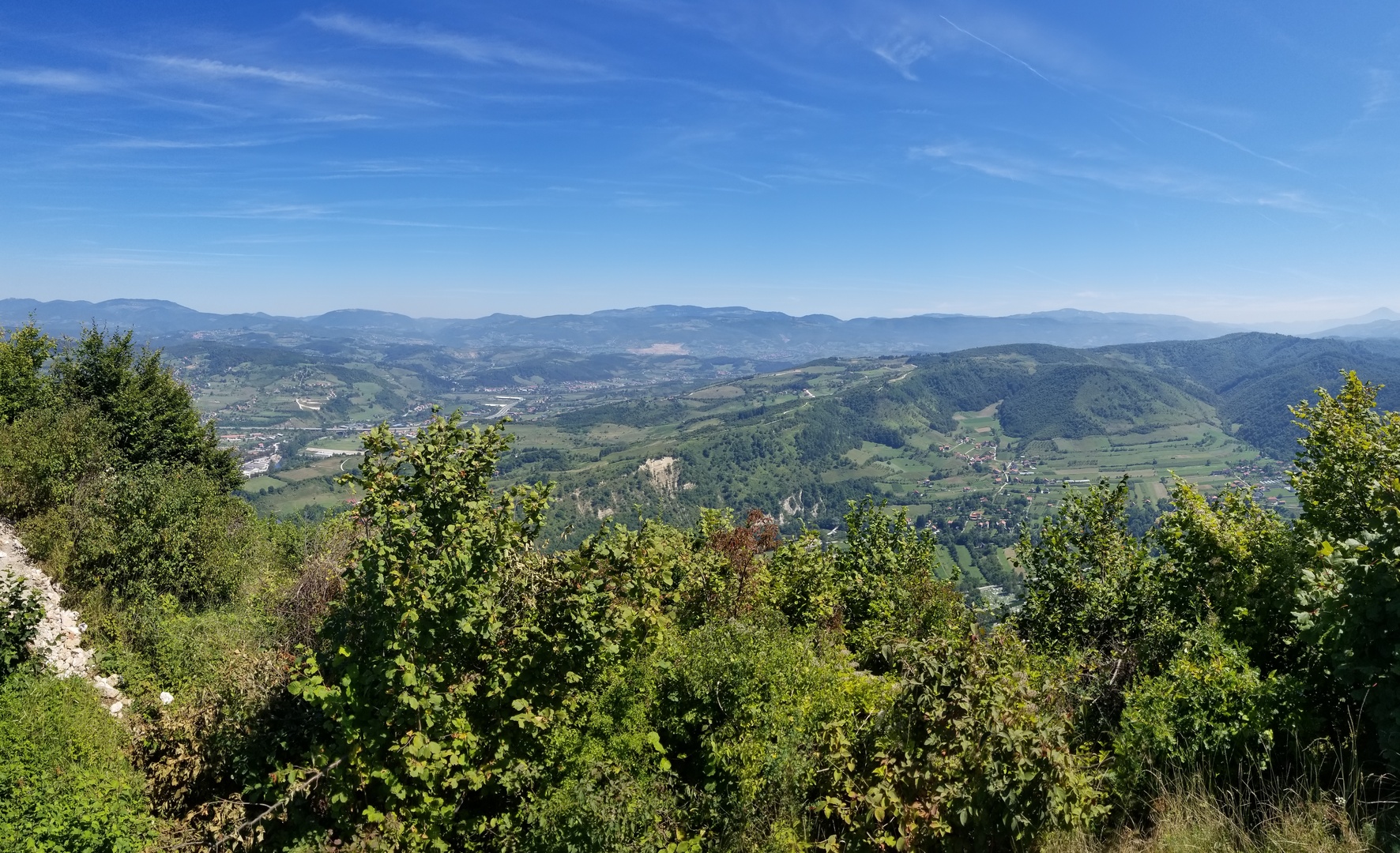
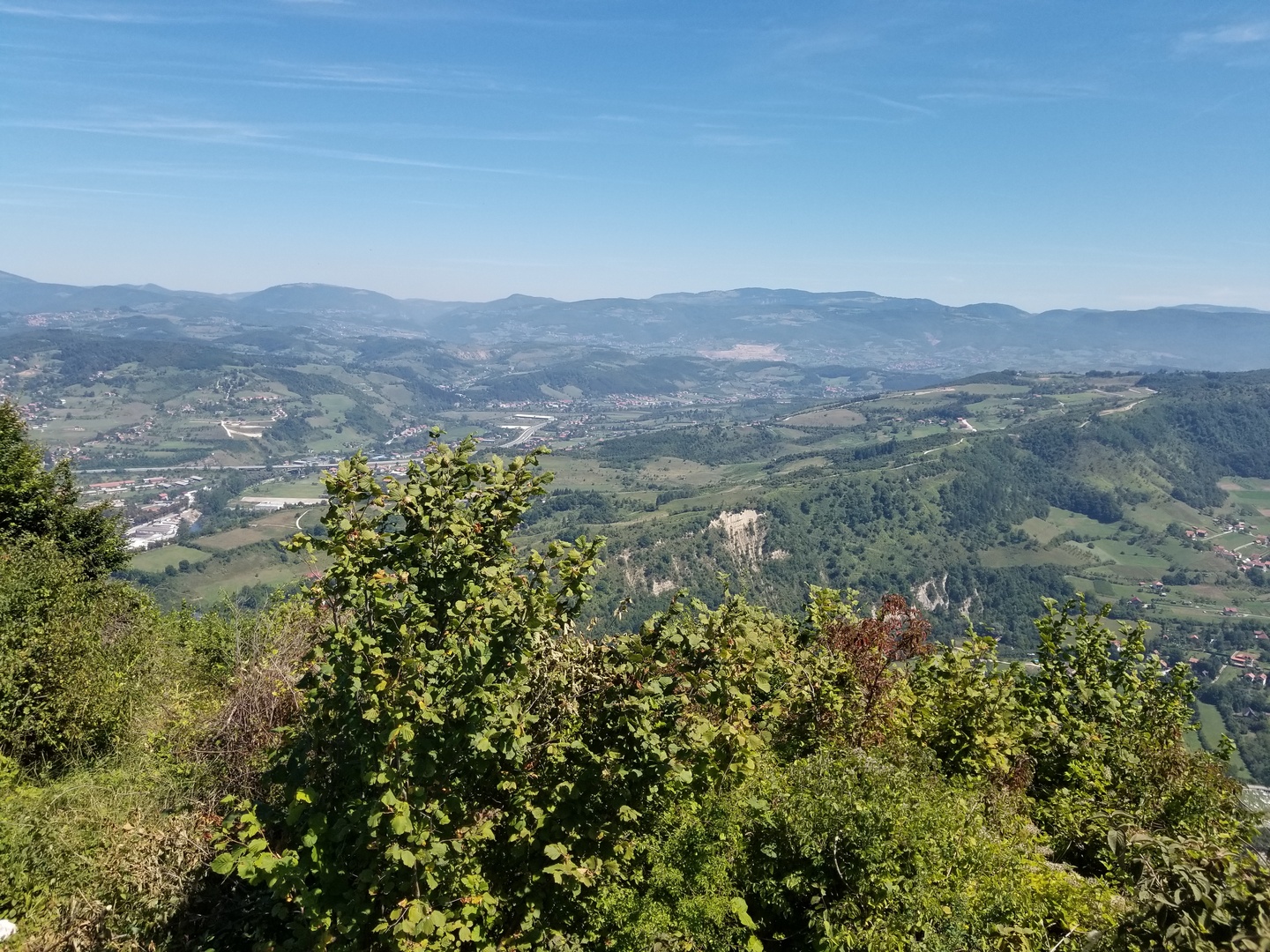
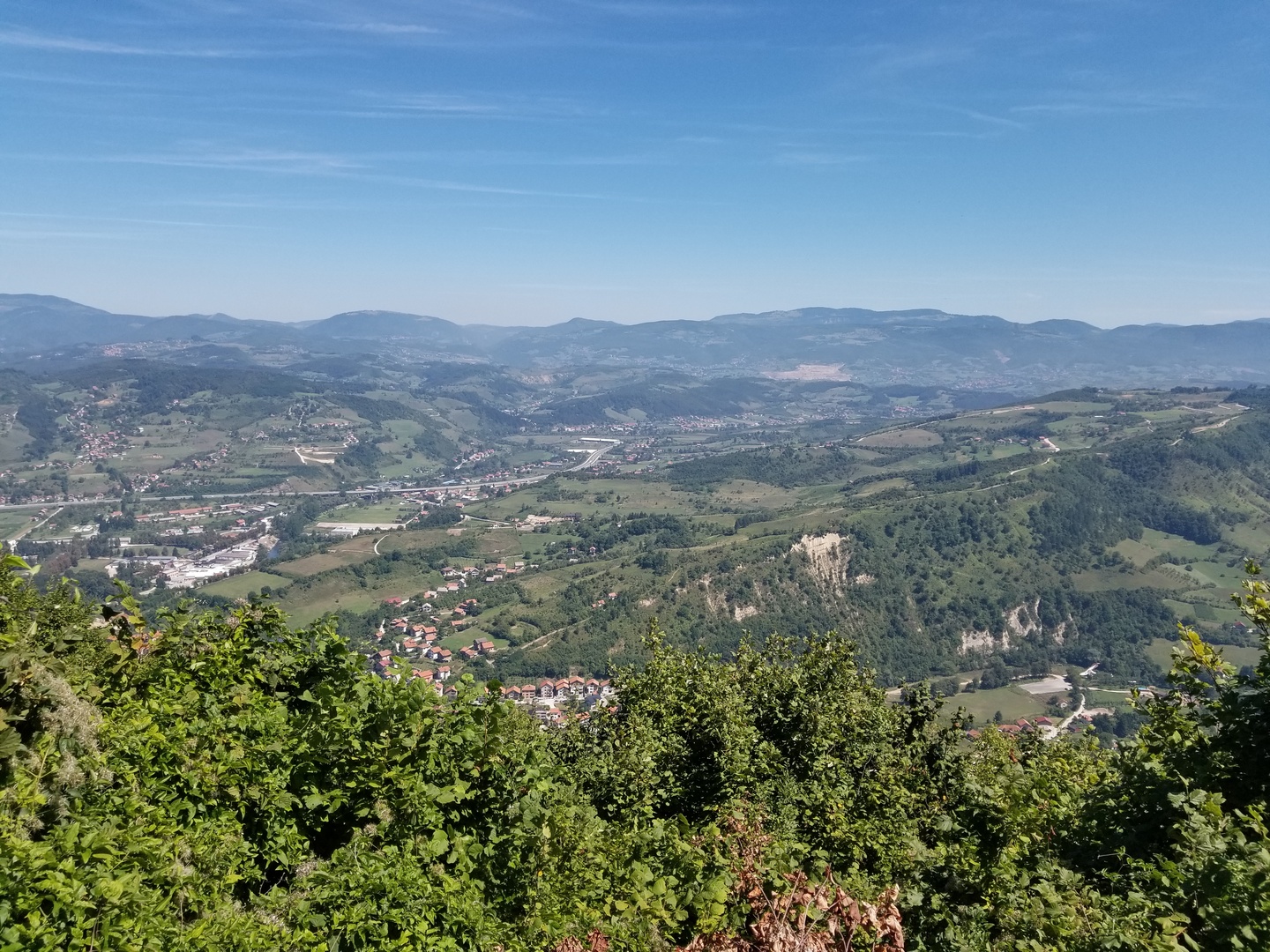
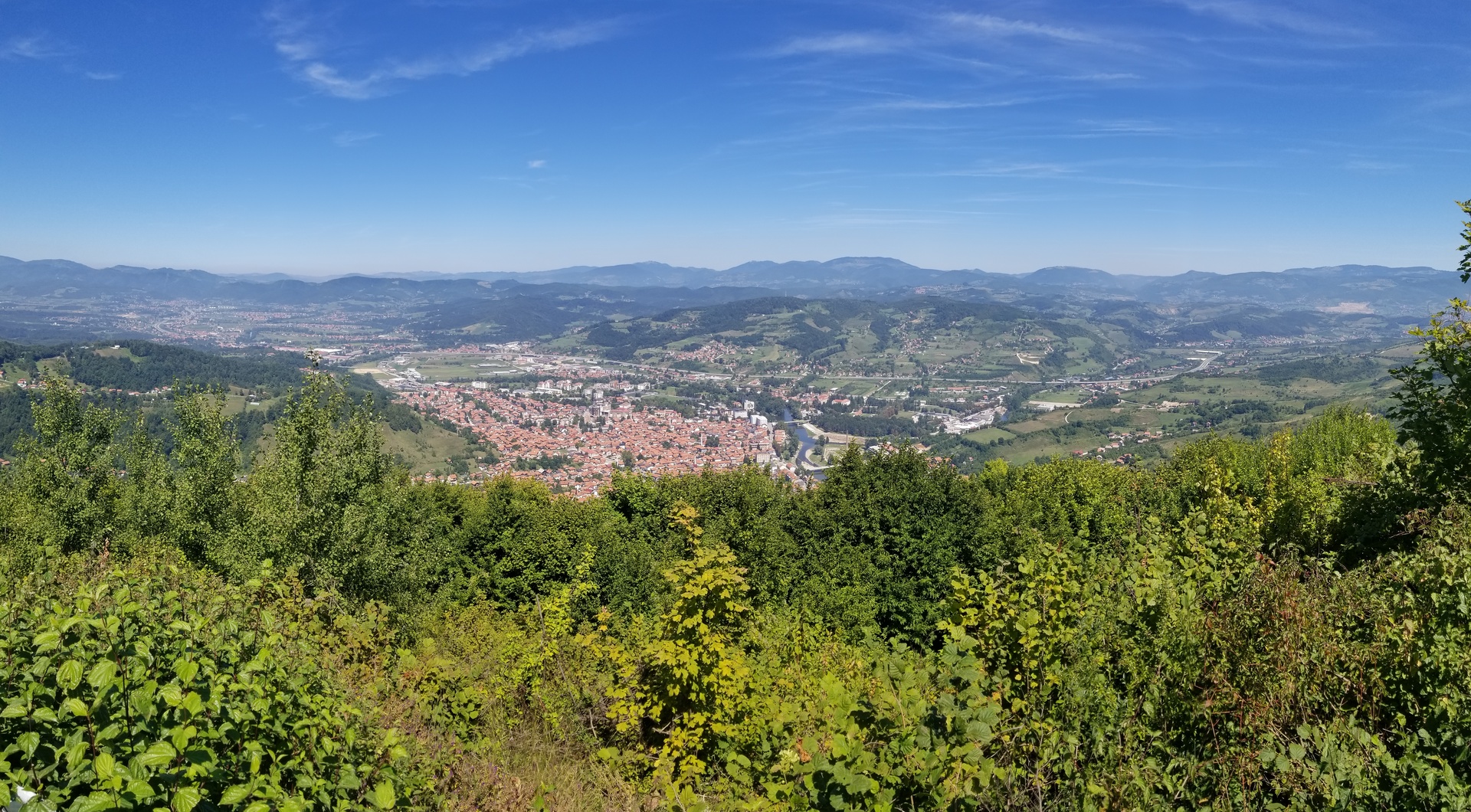
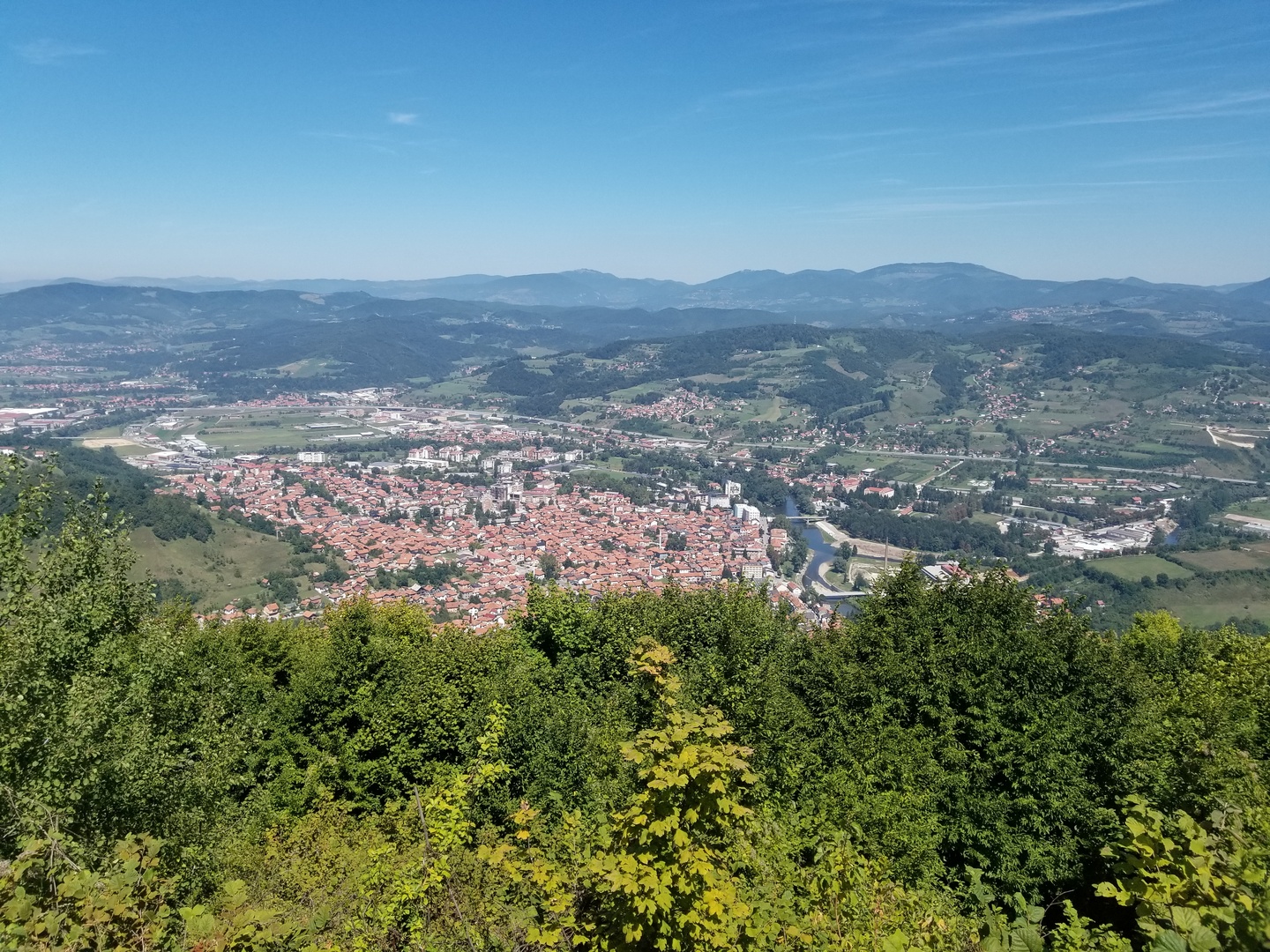
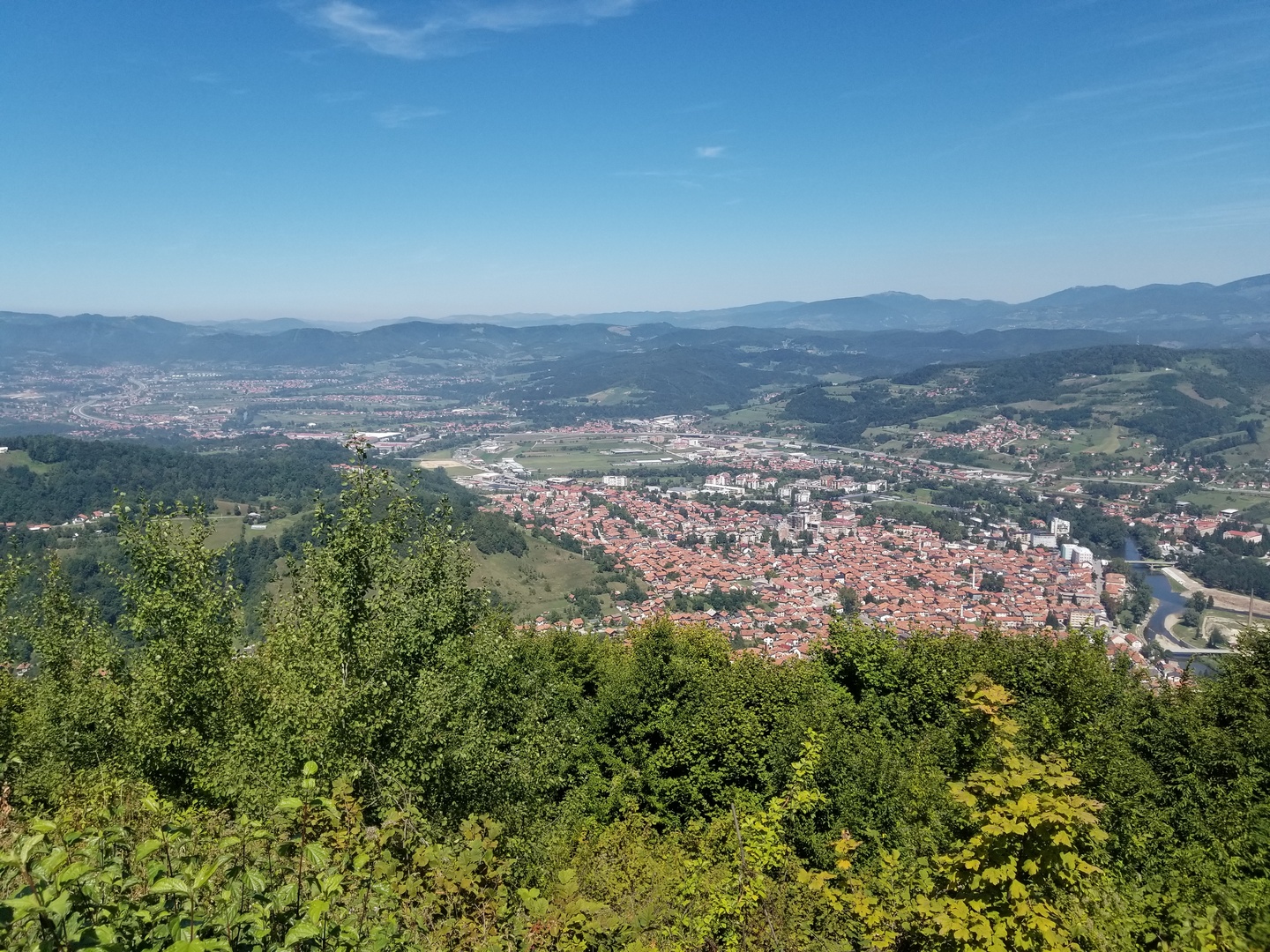
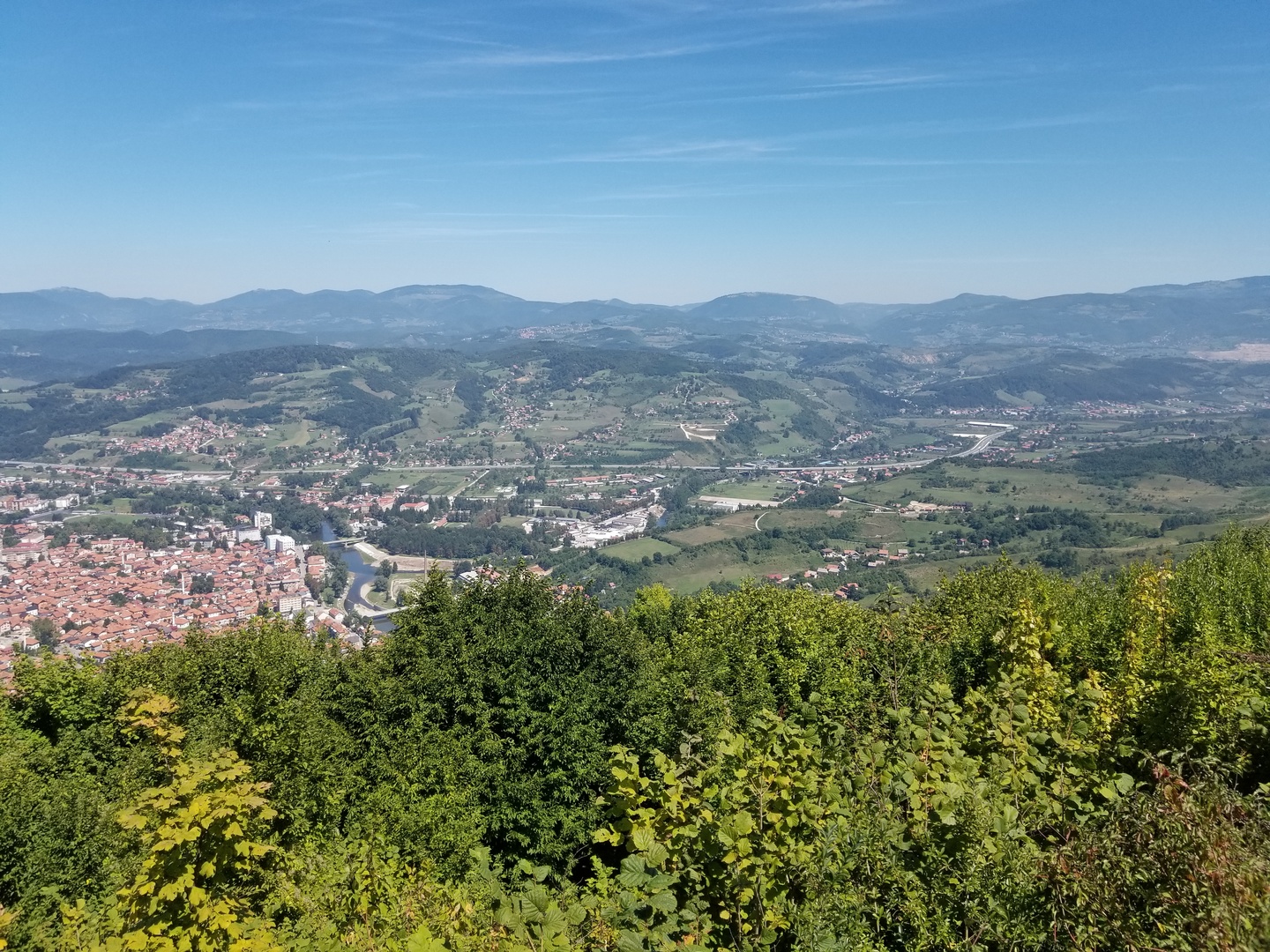
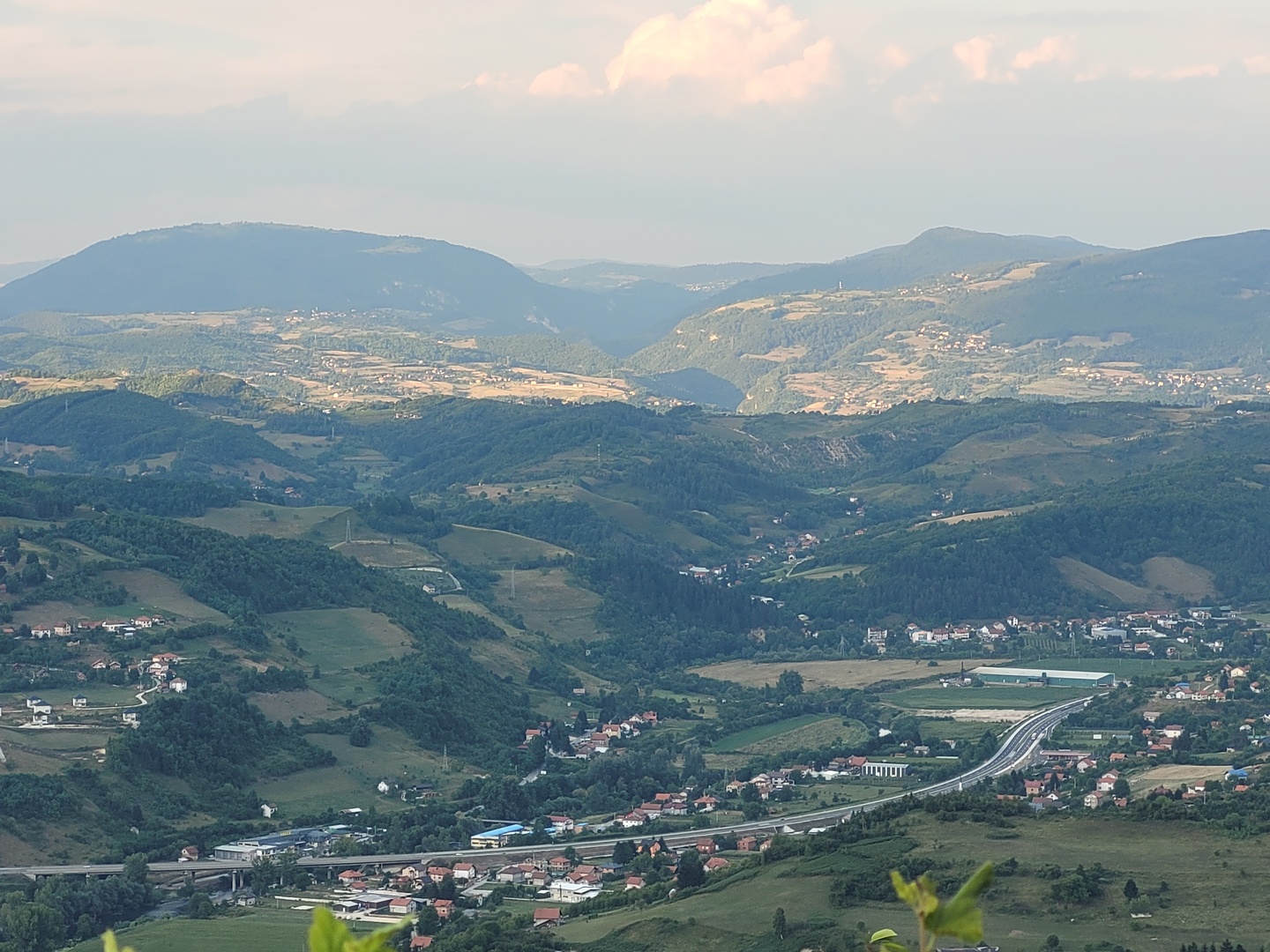
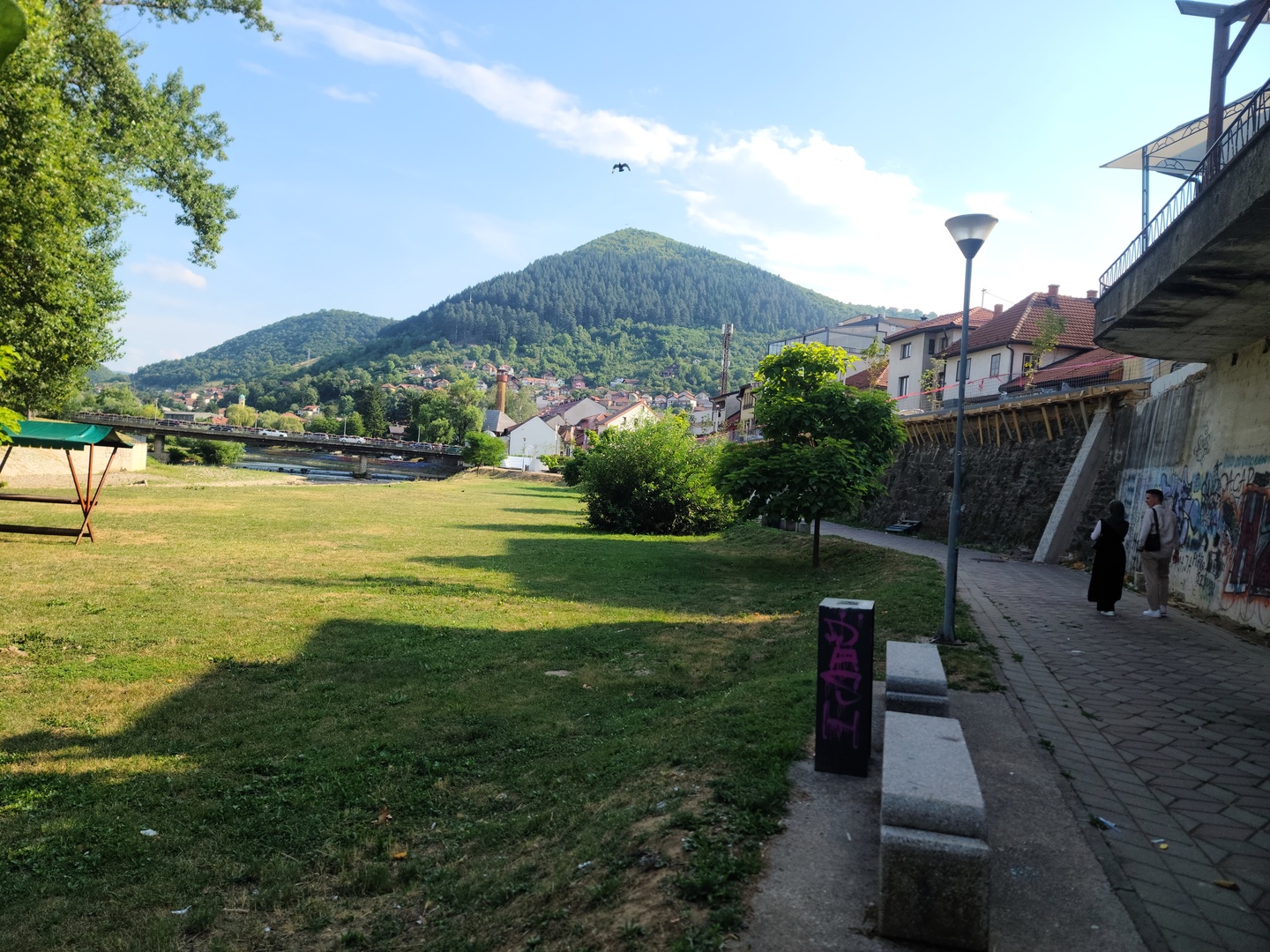
The Visoko valley is home to the most significant and largest pyramid complex ever discovered on Earth. Comprising five main structures — four pyramids and one temple — this ancient complex predates all known pyramid civilizations and continues to redefine the boundaries of archaeological science.
The Pyramid of the Sun is the tallest and most studied structure in the complex, standing as the largest known pyramid on Earth by height.
- Height: Approximately 220 metres — taller than the Great Pyramid of Giza (138 m) World's Largest
- Orientation: The northern face is aligned to true cosmic north with an error margin of less than 0.5 degrees — a precision surpassing most modern constructions
- Shape: Four perfectly triangular faces oriented to the four cardinal points, with a flat plateau at the summit
- Surface: Covered in man-made conglomerate concrete blocks, laboratory-tested to be four times harder than modern industrial concrete
- Dating: Organic material found beneath the concrete blocks has been carbon-dated to over 29,000 years BP Dated
- Energy beam: A narrow beam of electromagnetic energy measuring 28 kHz has been recorded emanating from the pyramid's apex, increasing in strength with altitude Measured
The Pyramid of the Moon is the second largest structure in the complex, positioned northwest of the Pyramid of the Sun across the valley floor.
- Height: Approximately 190 metres, making it larger than any pyramid in Mexico or Central America
- Shape: Three visible triangular faces, with a distinctive stepped profile when viewed from the valley
- Surface: Excavations have revealed layers of shaped stone blocks and ancient soil layers confirming artificial construction
- Dating: Samples from excavated sections have returned dates of approximately 10,000–15,000 years BP Dated
- Tunnels: The Ravne tunnel network is believed to connect the Pyramid of the Moon to the other structures in the complex underground
- Orientation: Aligned in precise geometric relationship with the Pyramid of the Sun, forming part of an intentional sacred landscape layout
The Pyramid of the Bosnian Dragon is positioned to the northeast and forms a key geometric point in the valley's overall layout. Its elongated form gives it a distinctive dragon-like silhouette from certain vantage points.
- Height: Approximately 90 metres with a notably elongated, ridge-like profile
- Surface: Excavations on the slope have revealed stone terracing and artificially shaped plateaus consistent with the other pyramids in the complex
- Geometry: Forms a precise equilateral triangle with the Pyramid of the Sun and the Pyramid of the Moon when viewed from above Key Finding
- Name origin: Named after the dragon motif found in Bosnian folklore and the structure's visual resemblance to a resting dragon when seen from the south
- Access: Partially accessible via hiking trail; ongoing excavation work continues on the northern and eastern slopes
The Pyramid of Love is the smallest of the four pyramids, located to the southeast of the valley. Despite its modest size it holds significant geometric importance within the overall complex.
- Height: Approximately 70 metres with clearly defined triangular faces visible from the valley road
- Significance: Completes the four-pyramid layout of the valley, forming a precise geometric pattern with the other three structures
- Surface: Stone terracing and shaped plateau features have been identified on its slopes during survey work
- Energy: Visitors and researchers have reported subtle but measurable energy field variations around the pyramid's base Reported
- Name origin: Named for its heart-shaped silhouette when viewed from certain angles above the valley, and for the spiritual symbolism attached to the site
Unlike the four pyramidal hills, the Temple of Mother Earth is a flat-topped elevated plateau structure, believed to have served a ceremonial or ritualistic function within the ancient complex.
- Form: A broad, flat-topped hill with artificially shaped terraced sides, distinct from the pointed profile of the four pyramids
- Function: Researchers propose it served as a gathering, ceremonial, or astronomical observation platform for the ancient civilization that built the complex
- Surface: Exposed stone slabs and layered geological features on the slopes suggest significant human modification of the natural terrain Excavated
- Energy: Heightened geomagnetic readings have been recorded across the plateau, consistent with the energy patterns measured at the other structures
- Name origin: Named in reference to ancient Earth goddess traditions and the structure's broad, nurturing, ground-level form — in contrast to the sky-pointing pyramids
Some of the most compelling evidence for the artificial nature of the Bosnian Pyramids comes not from excavation but from physics. A series of independent scientific teams have recorded measurable energy phenomena across the complex that have no known natural explanation.
- Apex energy beam: A focused beam of electromagnetic energy (28 kHz, radius 4.5 m) projects vertically from the top of the Pyramid of the Sun and strengthens with altitude — the opposite of what any natural or broadcast source would produce Key Finding
- Torsion field: A torsion field — a rotating energy field associated with advanced physics — has been detected above the Pyramid of the Sun at a radius of 40 metres
- Ultrasound in tunnels: A 28 kHz ultrasound beam has been measured emanating from the ceramic megalith K-2 inside the Ravne tunnels, consistent with the apex frequency
- Underground water: A network of underground water flows beneath the complex is believed to contribute to piezoelectric energy generation — a mechanism that may explain the electromagnetic output
- No natural explanation: Geologists and physicists who have studied the site note that no volcanic, tectonic, or broadcast source can account for the measured phenomena Unexplained
Laboratory analysis of the materials used in the Bosnian Pyramid complex has produced results that challenge conventional understanding of ancient construction capabilities.
- Concrete blocks: The surface blocks of the Pyramid of the Sun are composed of a calcium-carbonate-based conglomerate concrete. Testing at the Institute of Materials in Zenica confirmed hardness 4–5 times greater than modern concrete Lab Tested
- Precision: Block faces show flat, even surfaces with sharp edges — characteristics inconsistent with natural geological formation
- Carbon dating: Organic material sealed beneath the concrete layer has been dated to 29,200 years BP (Before Present) by carbon-14 analysis
- Thermoluminescence: Additional dating using thermoluminescence techniques on tunnel fill material has returned dates of 30,000–34,000 years
- Sandstone slabs: Large flat sandstone slabs found on the Pyramid of the Moon have been shaped and positioned with a regularity inconsistent with natural erosion or deposition
- Fill material: The tunnels were deliberately filled with a mix of clay, sand and gravel at some point in prehistory — a massive undertaking suggesting intentional concealment Notable
Placed in global context, the Bosnian Pyramid complex stands apart from every other known pyramid site in the world in several key dimensions.
- Height: At 220 m, the Pyramid of the Sun is taller than the Great Pyramid of Giza (138 m), the Pyramid of Cholula in Mexico (55 m), and the Red Pyramid of Egypt (104 m) World's Tallest
- Age: At 29,000–34,000 years, it predates the Egyptian pyramids (~4,500 years) and all other known pyramid structures by tens of thousands of years World's Oldest
- Orientation precision: Alignment to true north rivals or exceeds that of the Great Pyramid of Giza, considered the gold standard of ancient astronomical precision
- Concrete quality: No other ancient pyramid has been found to use man-made concrete of comparable strength or composition
- Complex scale: Five structures forming a geometrically precise landscape complex — no other pyramid site features a comparable multi-structure sacred geometry layout
- Active energy output: The measurable electromagnetic and ultrasound phenomena recorded at Visoko have not been documented at any other pyramid site worldwide Unique
Excavation work at the Bosnian Pyramid complex has been ongoing since 2006 and continues every summer with the help of international volunteer teams. Each season brings new discoveries that deepen the mystery of this ancient site.
- Annual volunteer program: Each summer, hundreds of volunteers from dozens of countries join the excavation effort under the supervision of professional archaeologists Open to Public
- Pyramid of the Sun plateau: Excavations on the summit plateau continue to expose new sections of the ancient concrete surface and sub-surface layers
- Ravne 2 tunnel complex: A second tunnel system, Ravne 2, has been under excavation in recent years and is yielding new megalith finds and energy measurements
- Stone sphere discoveries: Large stone spheres — similar to those found in Costa Rica — have been uncovered near the complex, suggesting a broader prehistoric culture in the region Recent Find
- Inscribed stones: Several stones bearing geometric engravings and possible proto-writing symbols have been recovered from tunnel excavations
- Annual conference: The International Scientific Conference on the Bosnian Valley of the Pyramids convenes each summer in Visoko, drawing researchers from archaeology, physics, geology, and consciousness studies
The Ravne Tunnel Labyrinth: Energy & Healing
Deep beneath the valley lies the Ravne Underground Labyrinth, a prehistoric network of tunnels that stretches for miles. These tunnels are a focal point for archaeological tourism and wellness seekers. High concentrations of negative ions (reaching over 40,000 per cubic centimeter) create a sterile, healing environment that promotes respiratory health and cellular regeneration. This unique energy field has made Visoko a premier destination for spiritual and scientific research alike.
Scientific teams from across Europe have conducted extensive measurements inside the Ravne tunnels, recording a remarkable array of anomalous readings that continue to attract researchers worldwide.
- Negative ions: Levels exceeding 40,000 ions/cm³ — far above the 1,000–2,000 found in typical forests and far beyond normal indoor air Documented
- Ultrasound frequencies: A stable beam of 28 kHz ultrasound has been detected emanating from a specific ceramic megalith inside the tunnels — a frequency associated with cellular repair Measured
- Electromagnetic field: Very low electromagnetic radiation inside the tunnels creates a shielded environment, reducing the body's exposure to external EMF stress Verified
- Schumann resonance: Readings consistent with the Earth's natural frequency of 7.83 Hz have been recorded, a frequency linked to meditative and restorative brain states
- Radioactivity: Background radiation levels inside are significantly below the global average, making the tunnels one of the lowest-radiation environments on record
- Oxygen levels: Elevated oxygen concentration combined with high humidity creates a uniquely clean and refreshing atmosphere throughout the labyrinth
Thousands of visitors each year report significant physical and psychological benefits after spending time inside the Ravne tunnels. The combination of scientifically documented energy fields and the natural underground environment creates conditions unlike any wellness retreat on the surface.
- Respiratory relief: Visitors with asthma, allergies, and chronic respiratory conditions frequently report noticeable improvement after tunnel sessions Reported
- Stress reduction: The low EMF and high negative ion environment promotes deep relaxation and mental clarity within minutes of entering
- Sleep improvement: Many visitors report deeper and more restful sleep in the nights following a tunnel visit, attributed to nervous system regulation
- Pain relief: Anecdotal and some clinical reports suggest reduced joint and muscle pain, possibly linked to the ultrasound frequencies present
- Meditation & mindfulness: The tunnel's natural silence and energy field make it an exceptionally powerful space for deep meditation Popular
- Wellness programs: Structured multi-day healing retreats are available through local operators, combining tunnel sessions with guided meditation and traditional Bosnian healing practices
A visit to the Ravne Tunnels is unlike any other archaeological or wellness experience in the world. Here is what to expect from the moment you arrive:
- Entrance & welcome: The tunnel entrance is located at the foot of the valley, accessible by a short walk from the car park. Guides and multilingual staff greet visitors at the gate
- Temperature: The tunnels maintain a constant 12°C (54°F) year-round — refreshing in summer, warm in winter. A light jacket is strongly recommended Tip
- Length & layout: The main tourist path runs approximately 700 metres into the labyrinth, with wider chambers and resting points along the route
- Lighting: The tunnels are fully lit along the visitor path, with atmospheric low lighting near the megalith chambers
- Guided vs self-guided: Both options are available. Guides provide in-depth explanations of energy points, geological features, and ongoing excavations Recommended
- Duration: Most visitors spend between 45 minutes and 2 hours inside, though wellness seekers often stay longer for meditative sessions
- Photography: Fully permitted throughout — bring a torch for the deeper unlit sections beyond the main path
Since excavations began in 2006, teams of international volunteers and researchers have cleared thousands of tonnes of fill material from the tunnels, revealing a series of remarkable prehistoric constructions and artefacts.
- Dry-stone walls: Precisely constructed walls of stacked stone block several tunnel junctions, suggesting deliberate sealing of sections by an ancient civilization Key Find
- Ceramic megaliths: Large rounded boulders of man-made ceramic material have been found at energy-active points within the tunnels. One emits a measurable ultrasound beam Unique
- Megalith K-2: The most famous of the megaliths, estimated to weigh over 8 tonnes and inscribed with what some researchers interpret as symbolic markings
- Ancient symbols: Engravings and geometric markings have been found carved into tunnel walls, the origin and meaning of which remain under active study
- Water channels: Evidence of ancient water management systems carved into the tunnel floors suggests the labyrinth had a functional, engineered purpose
- Organic fill material: Carbon-dated organic matter used to fill the tunnels has returned dates of over 30,000 years, making this one of the oldest known prehistoric constructions in Europe Dated
Why Visit Visoko, Bosnia?
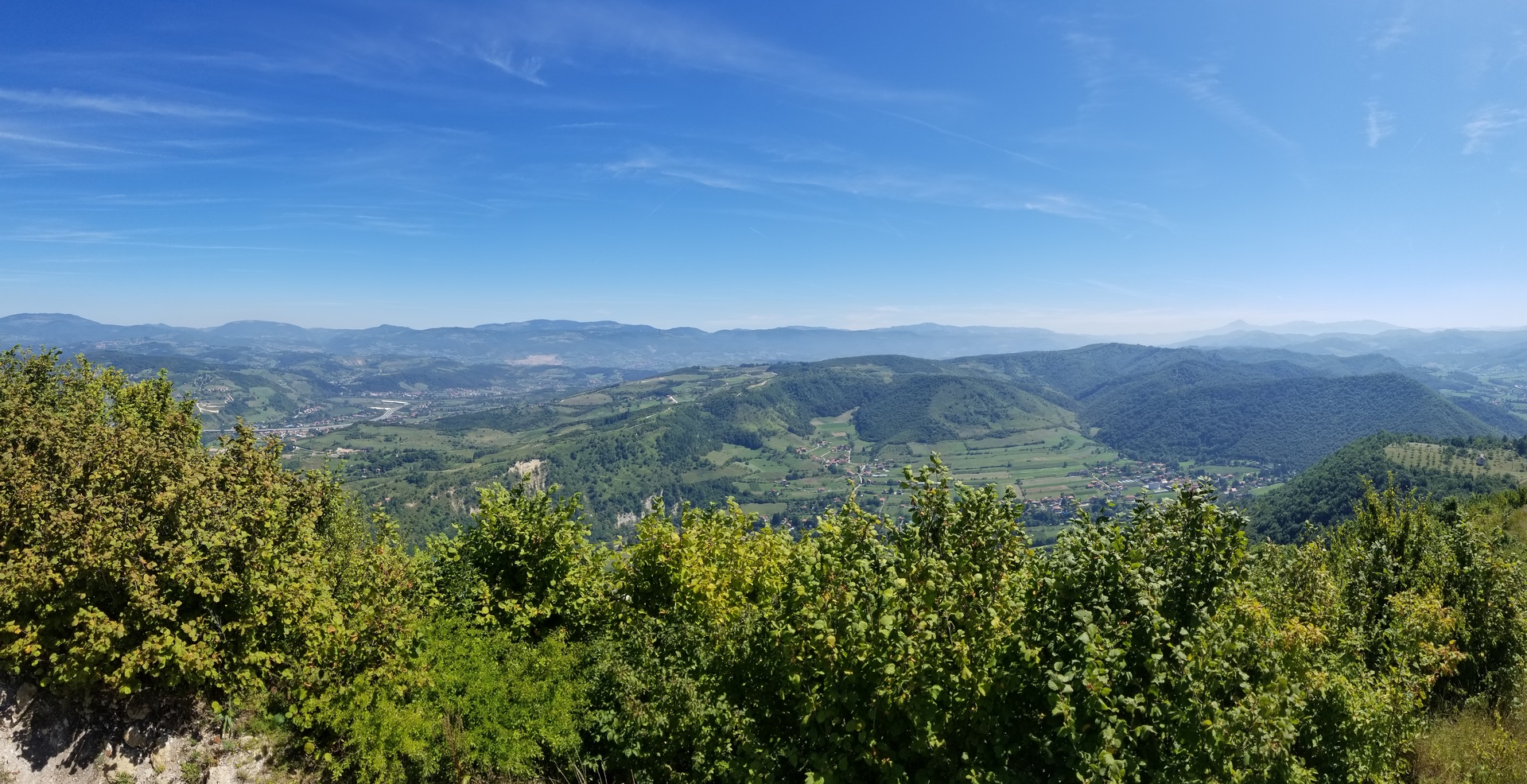
Whether you're interested in sacred geometry, megalithic structures, or the origins of civilization, Visoko offers a hands-on archaeological experience unlike anywhere else on Earth. Explore, discover, and connect with 30,000 years of human history.
- Walk the Ravne Tunnel Labyrinth and feel the energy field firsthand Must Do
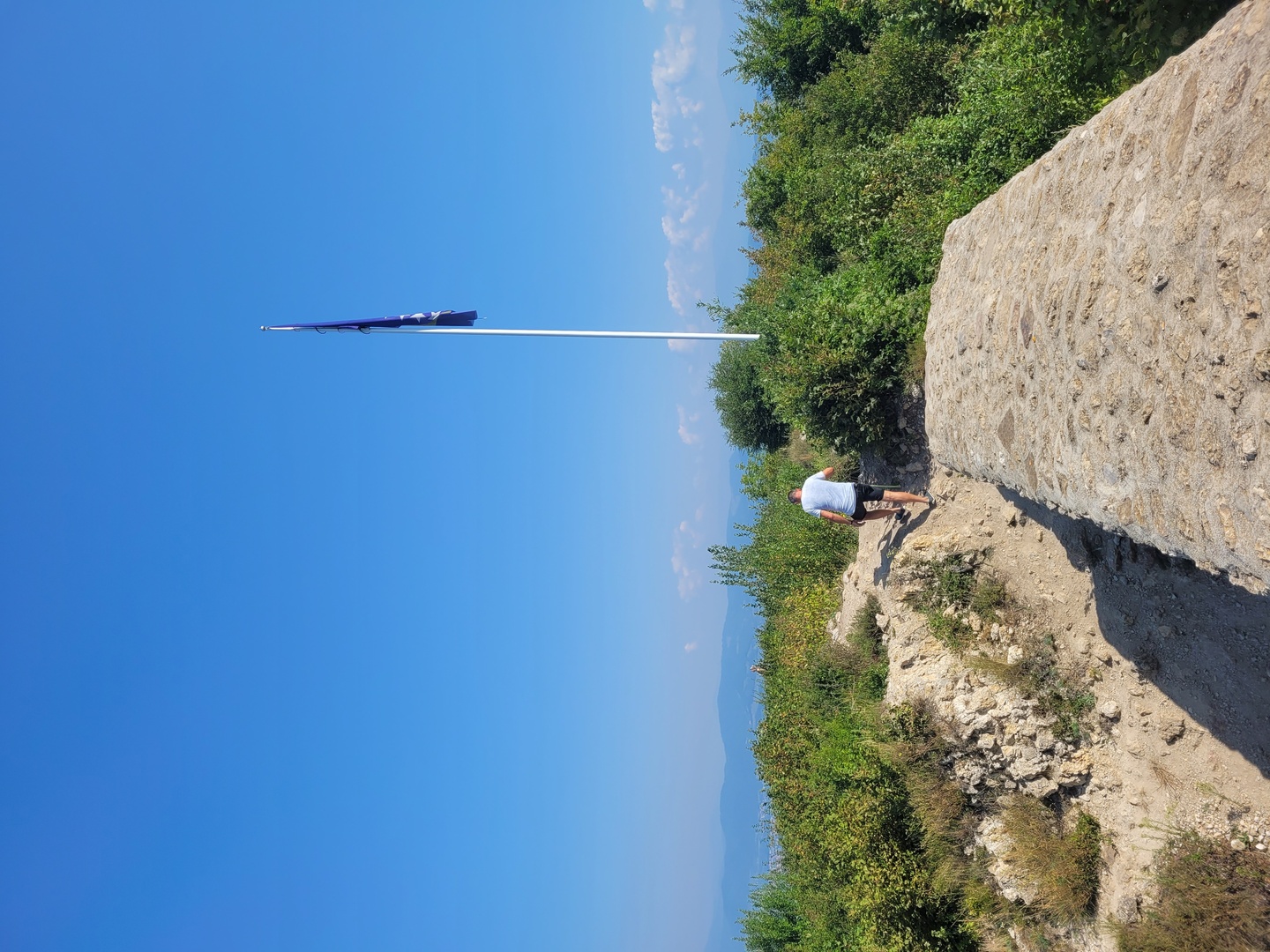
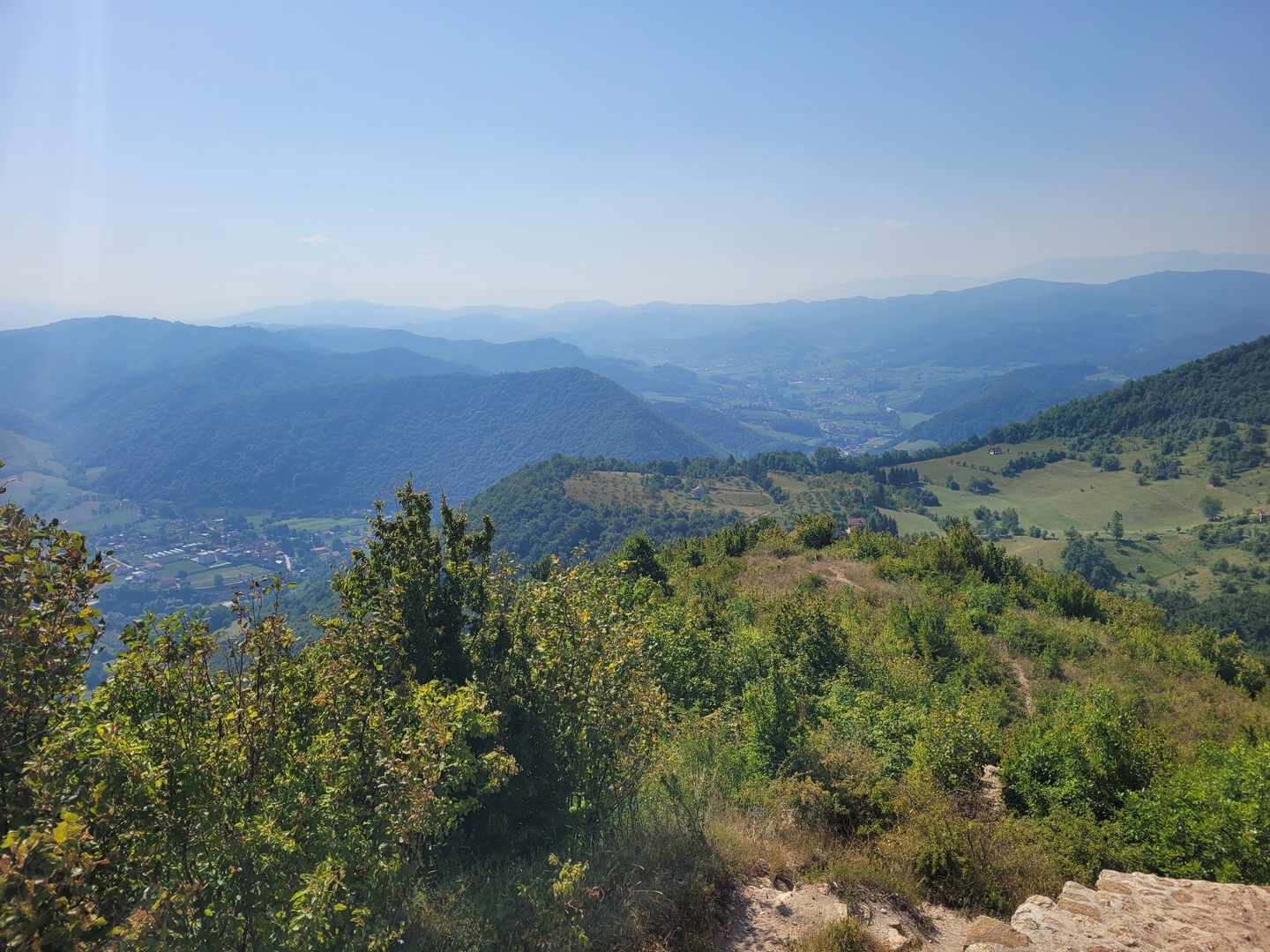
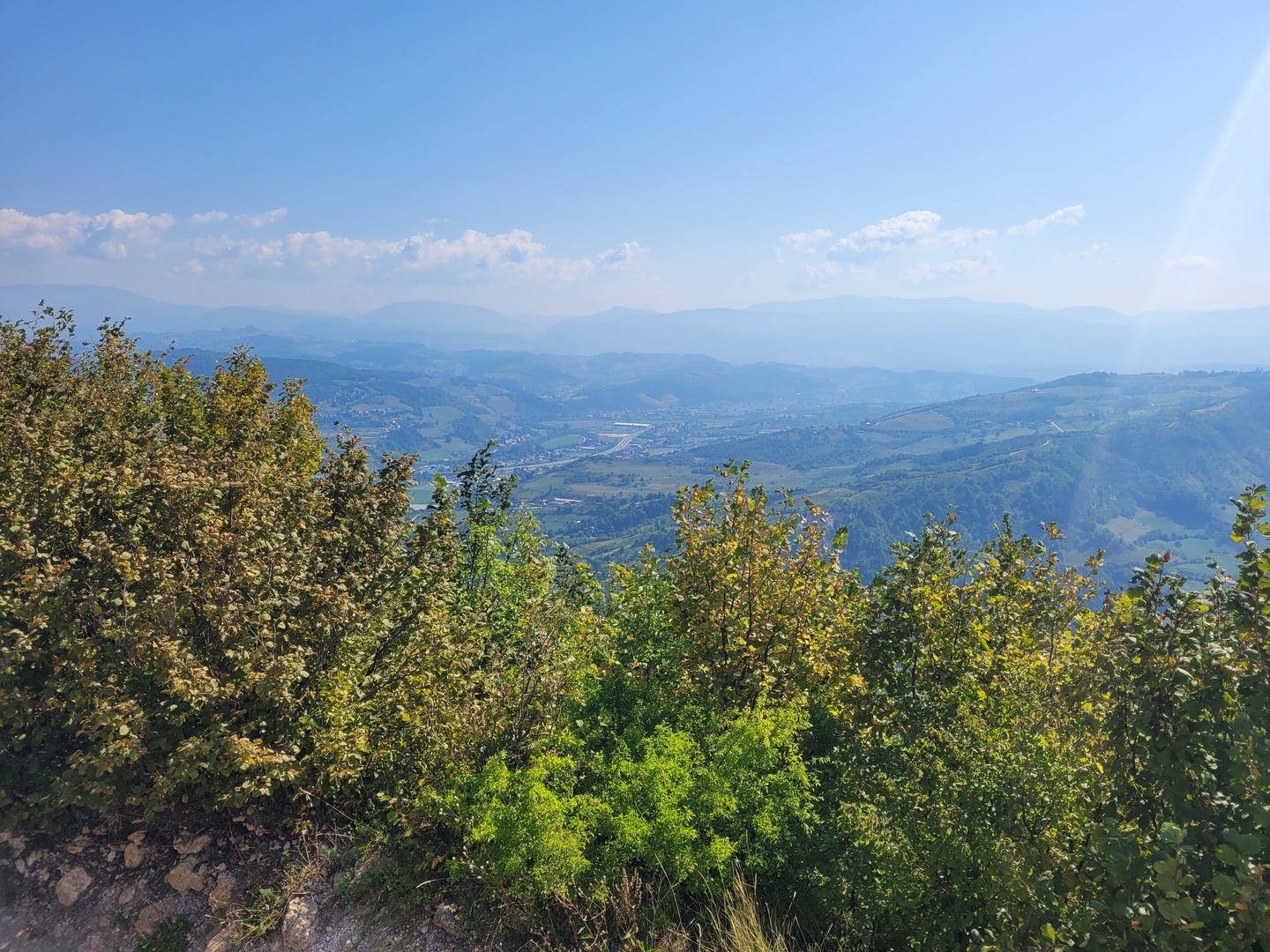
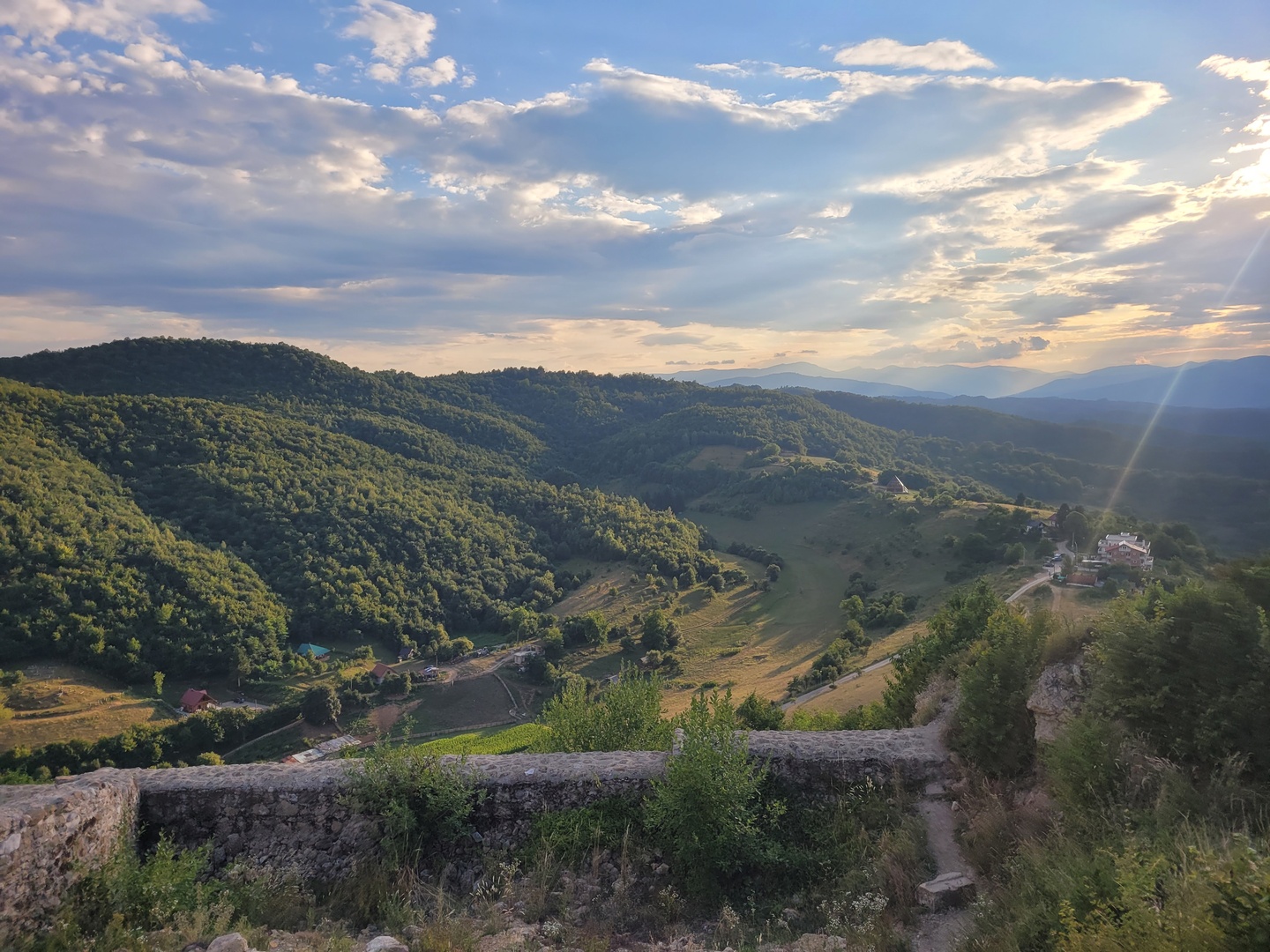
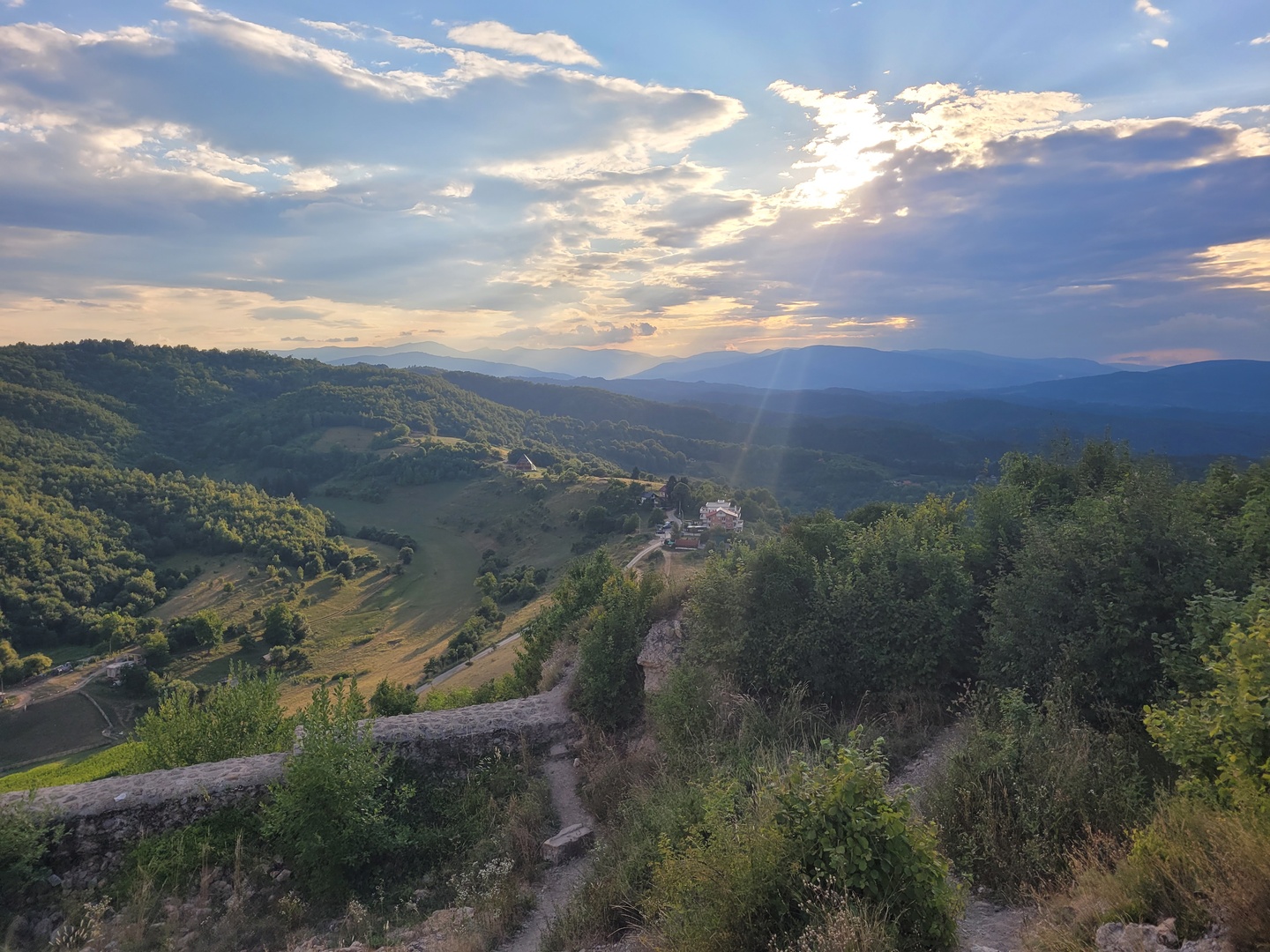
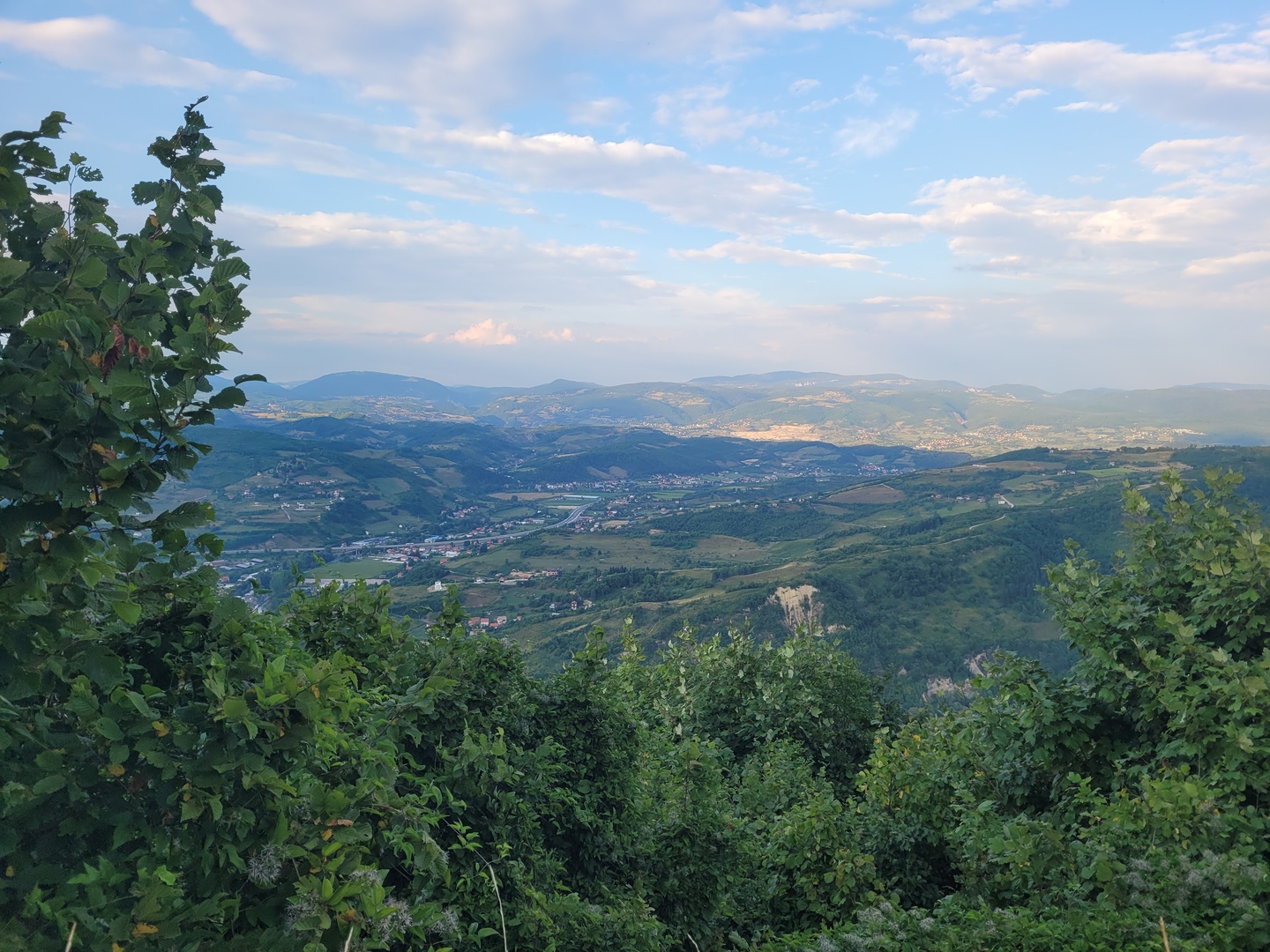
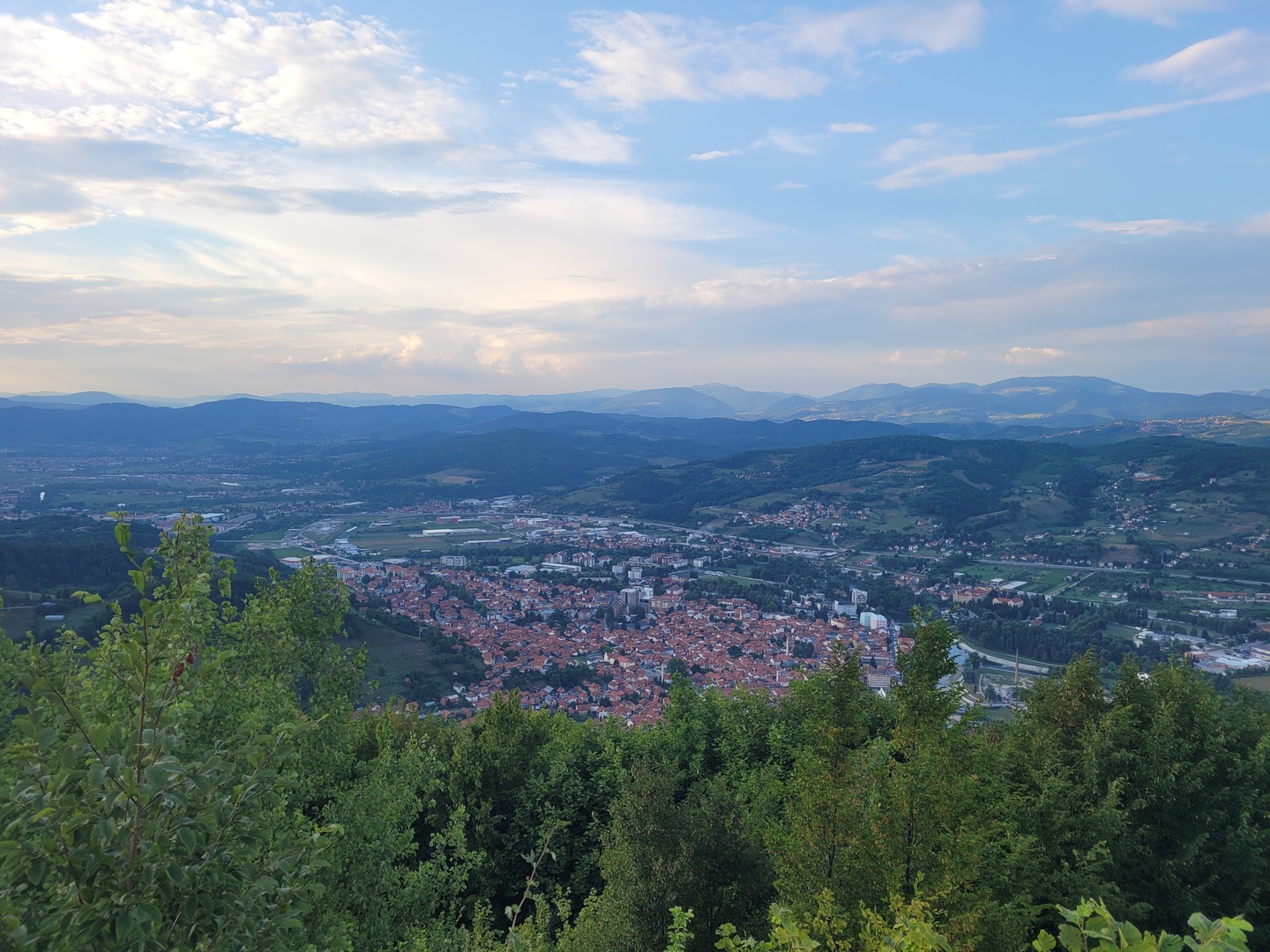
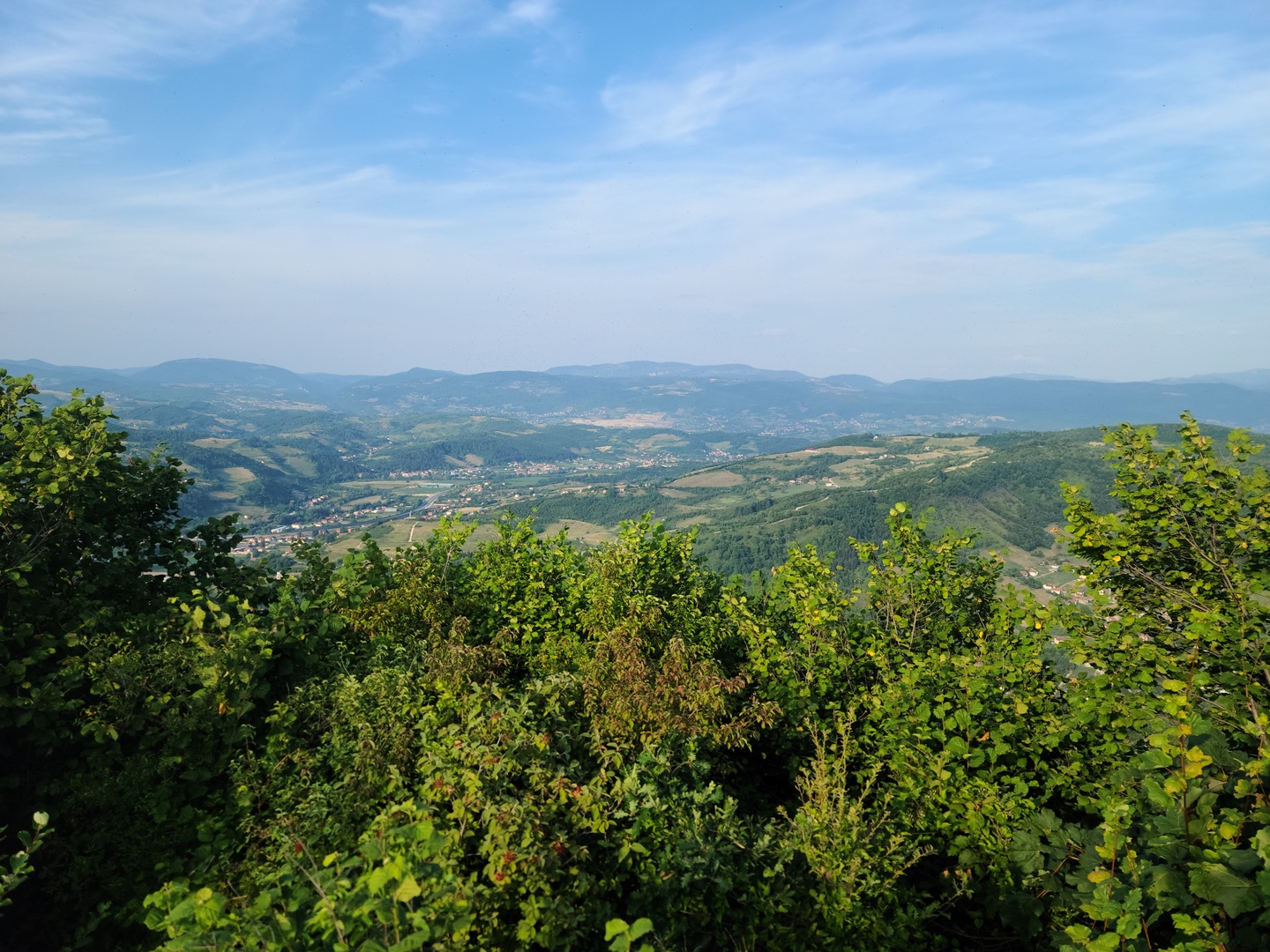
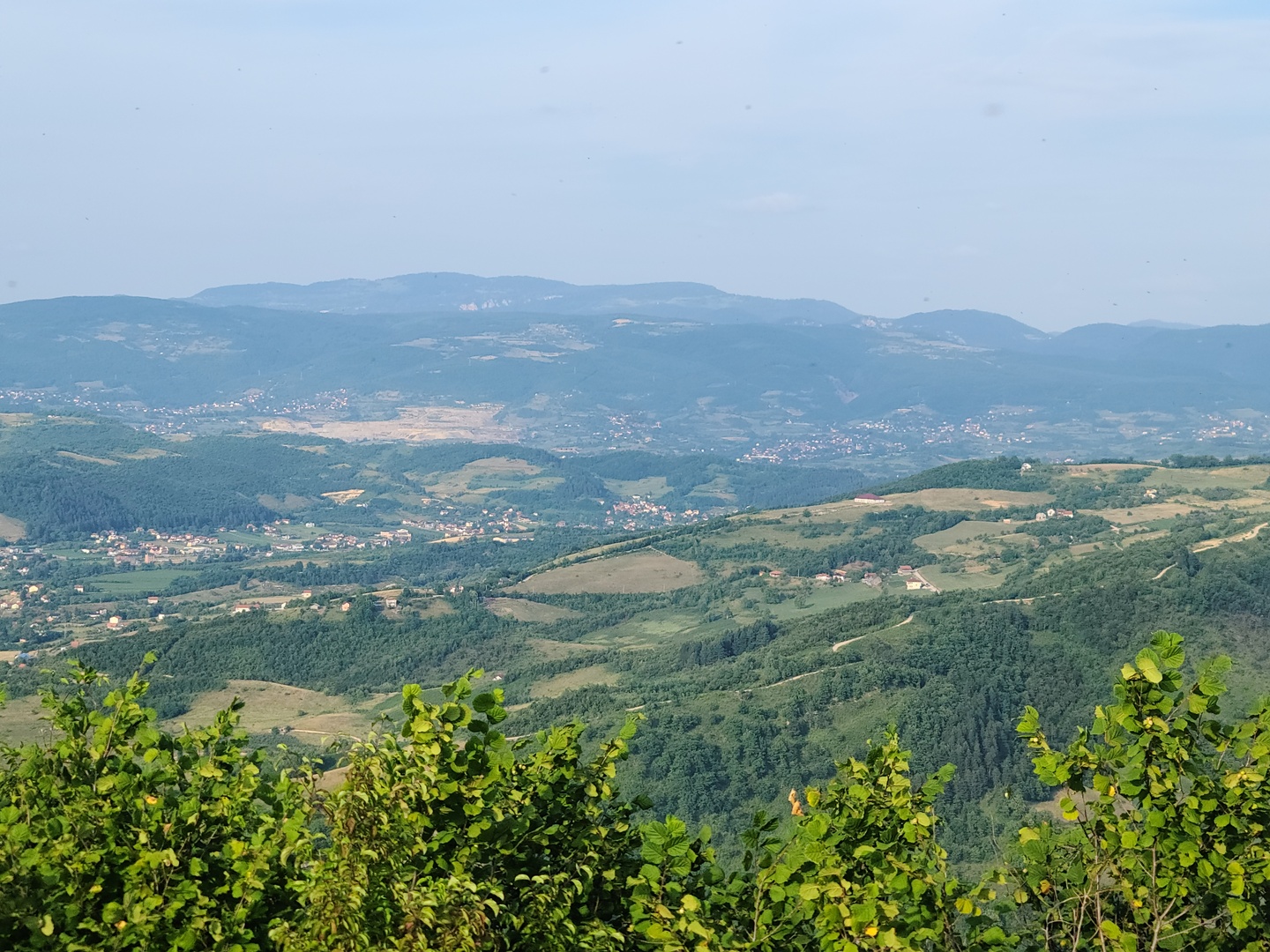
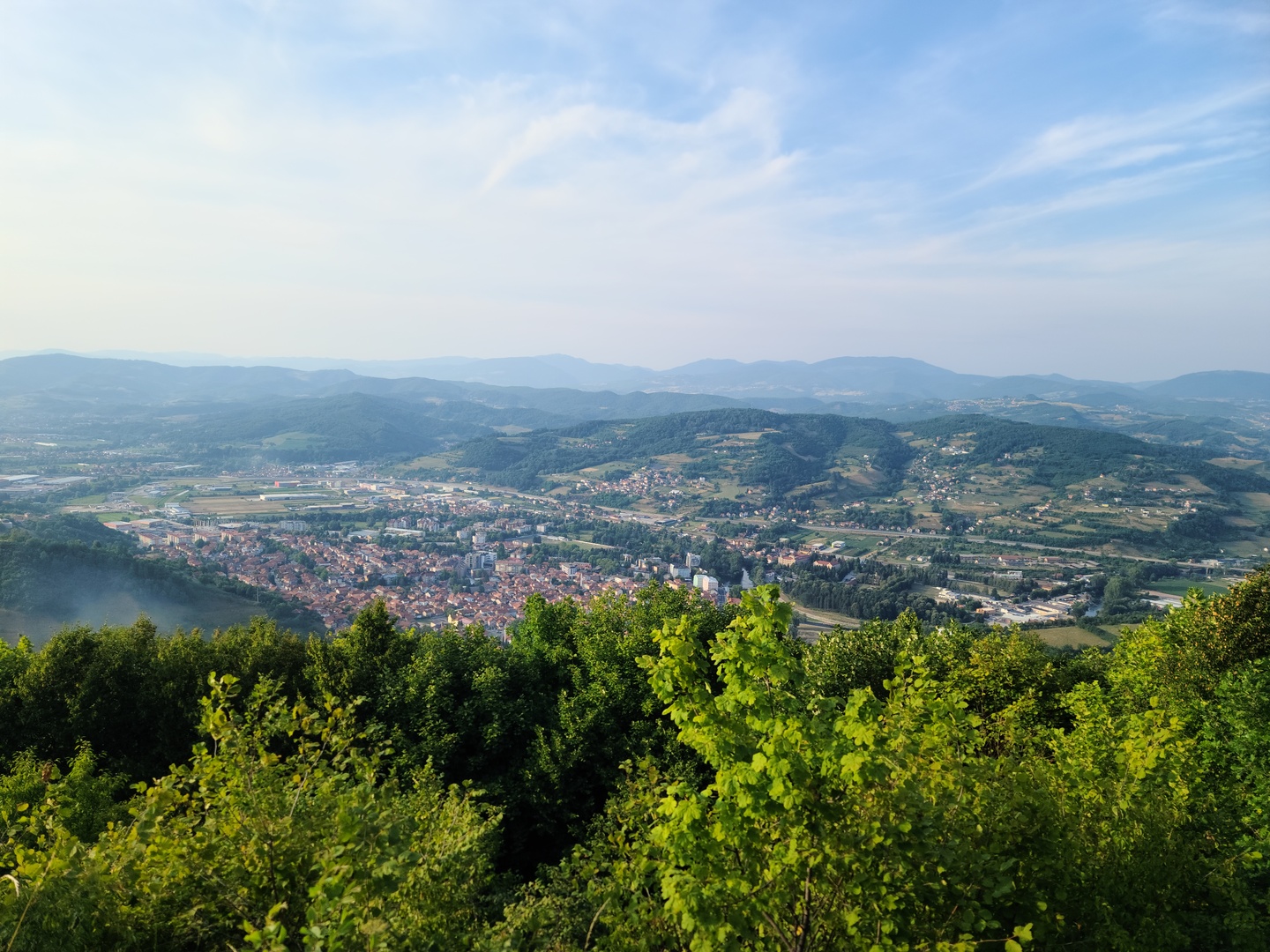
- Climb the Pyramid of the Sun for panoramic valley views Popular
- Join an active archaeological dig as a volunteer Unique
- Visit the open-air archaeological park at Okolište
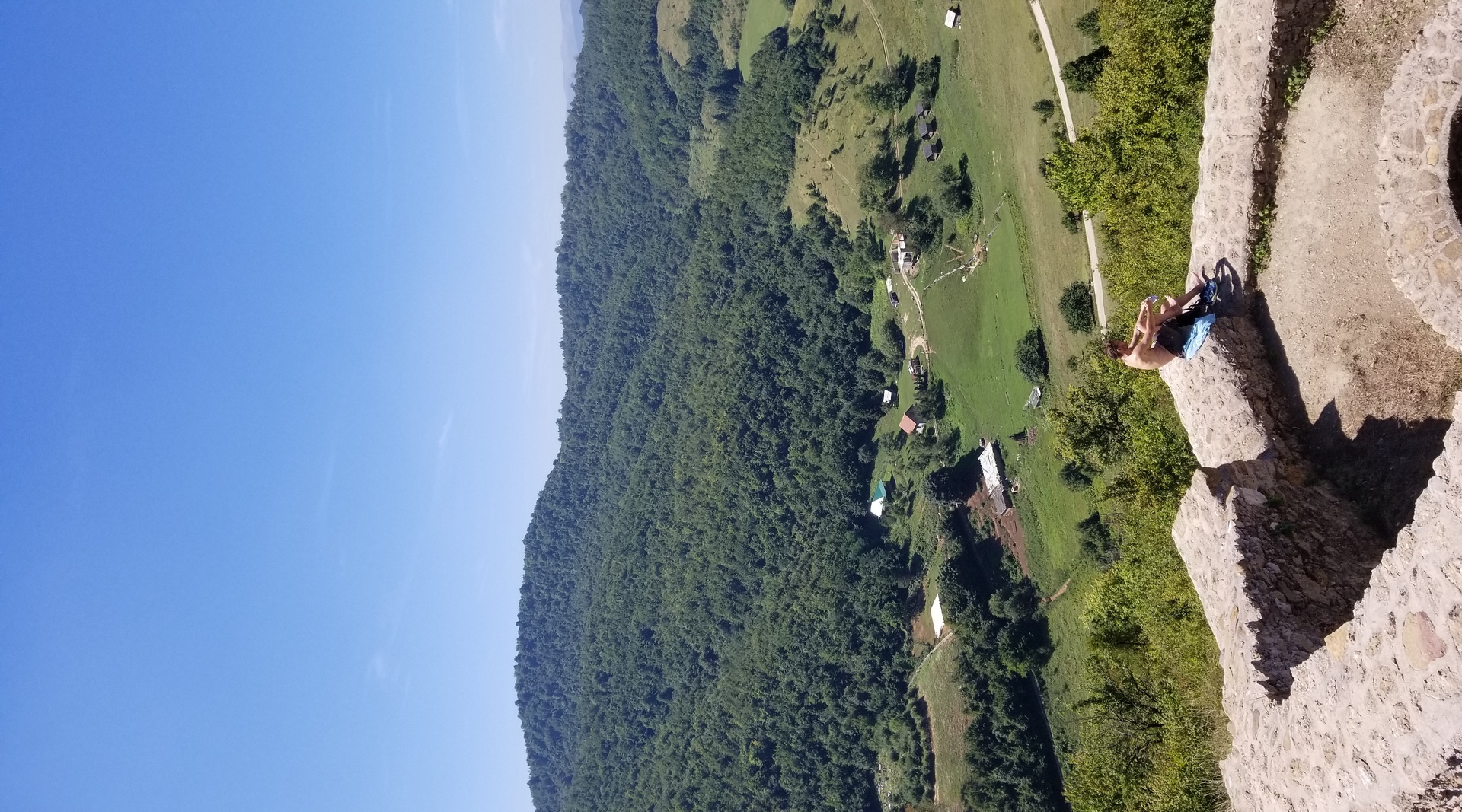
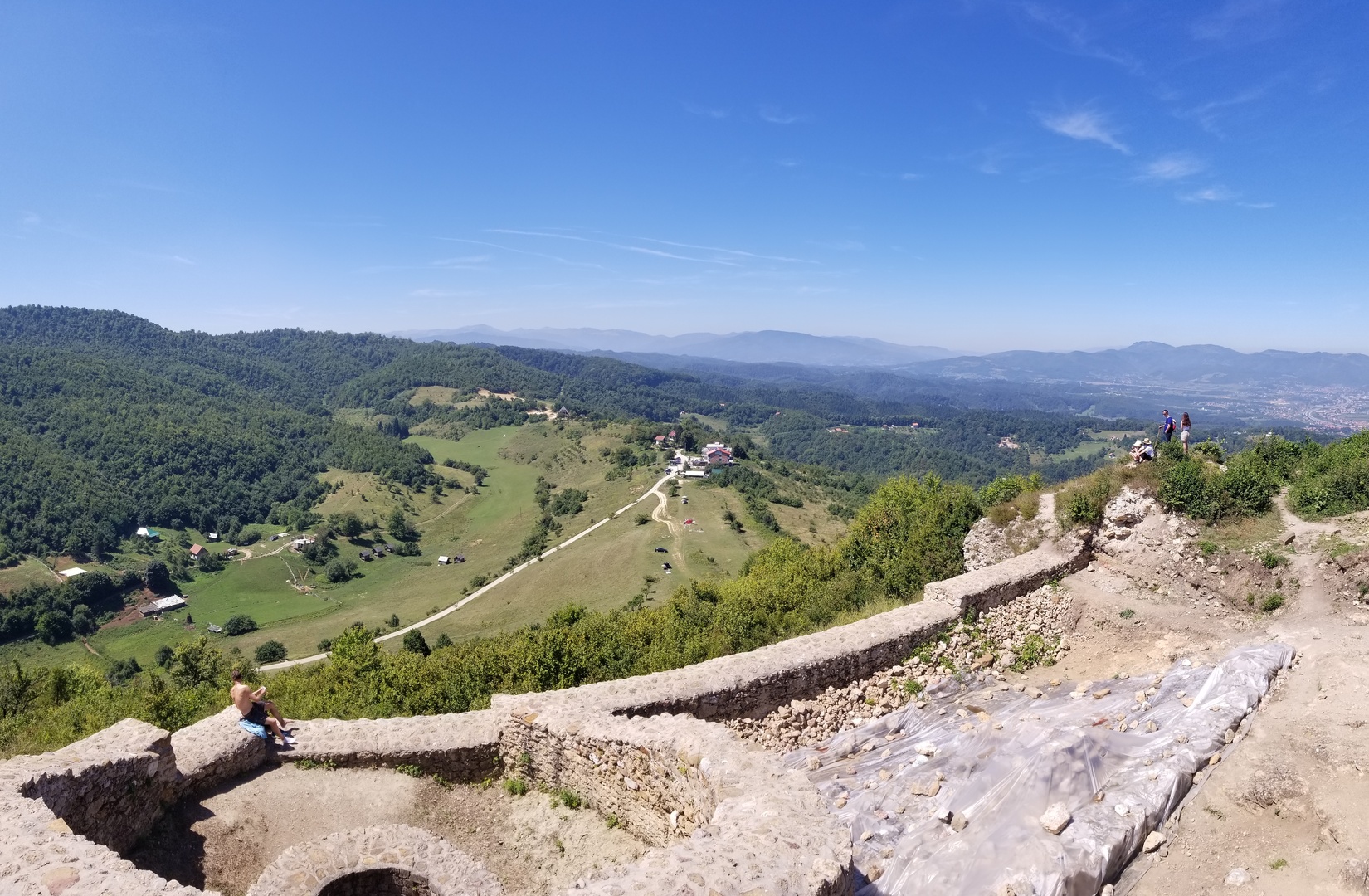
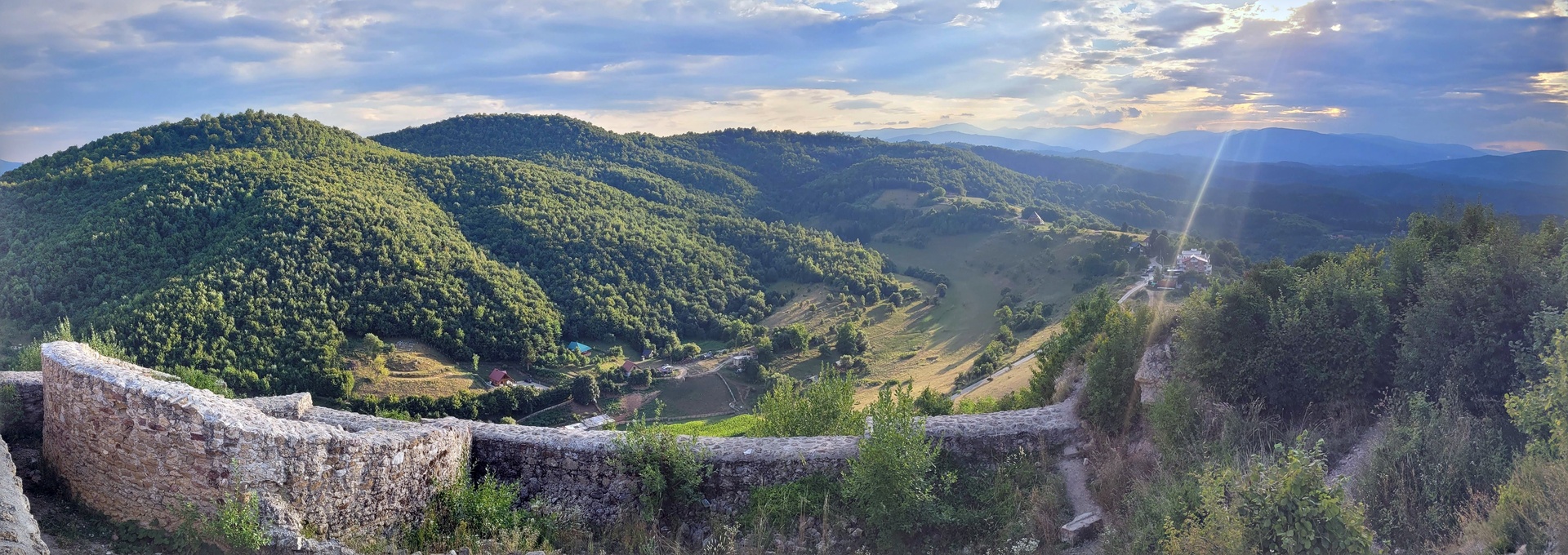
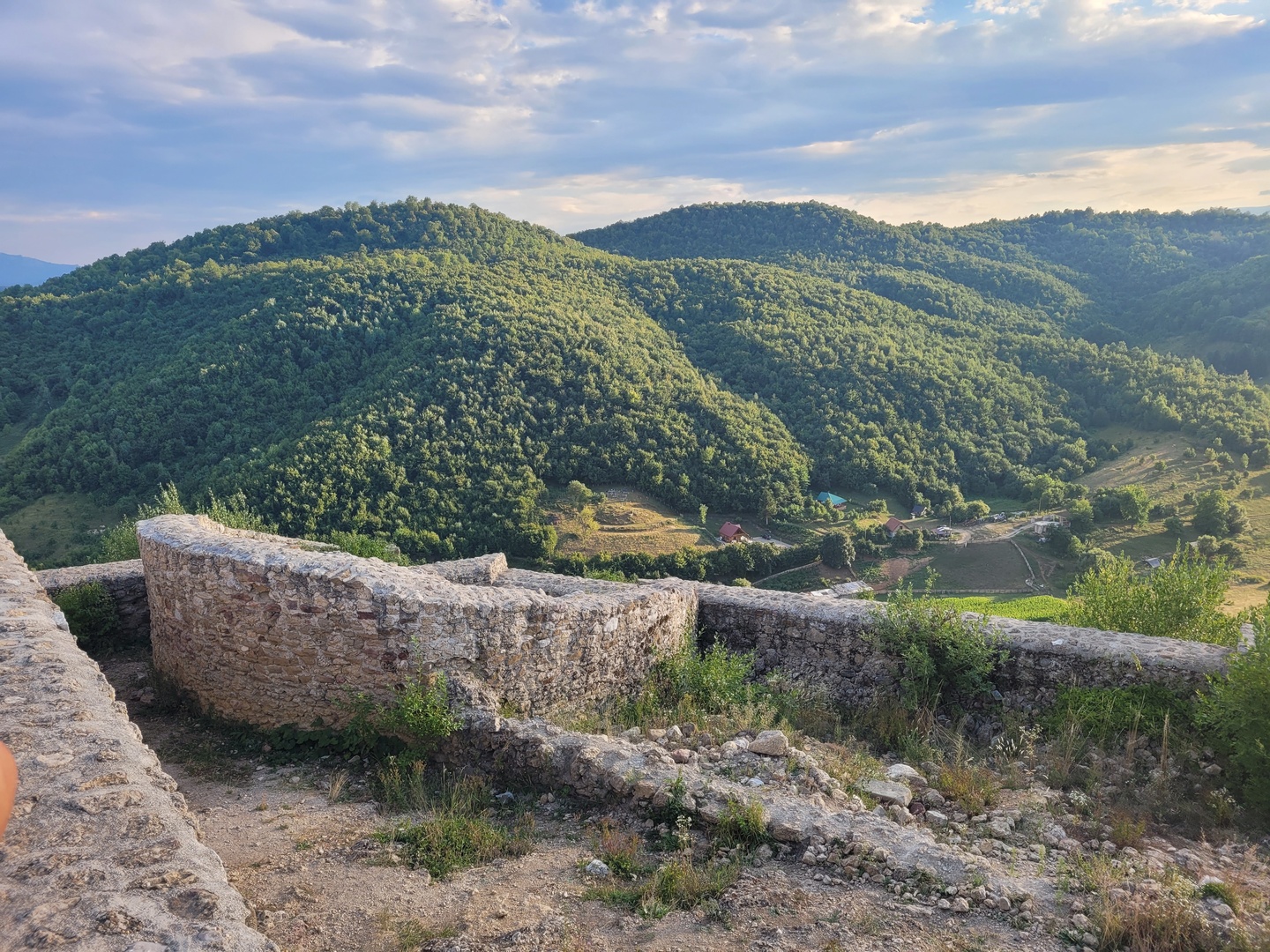
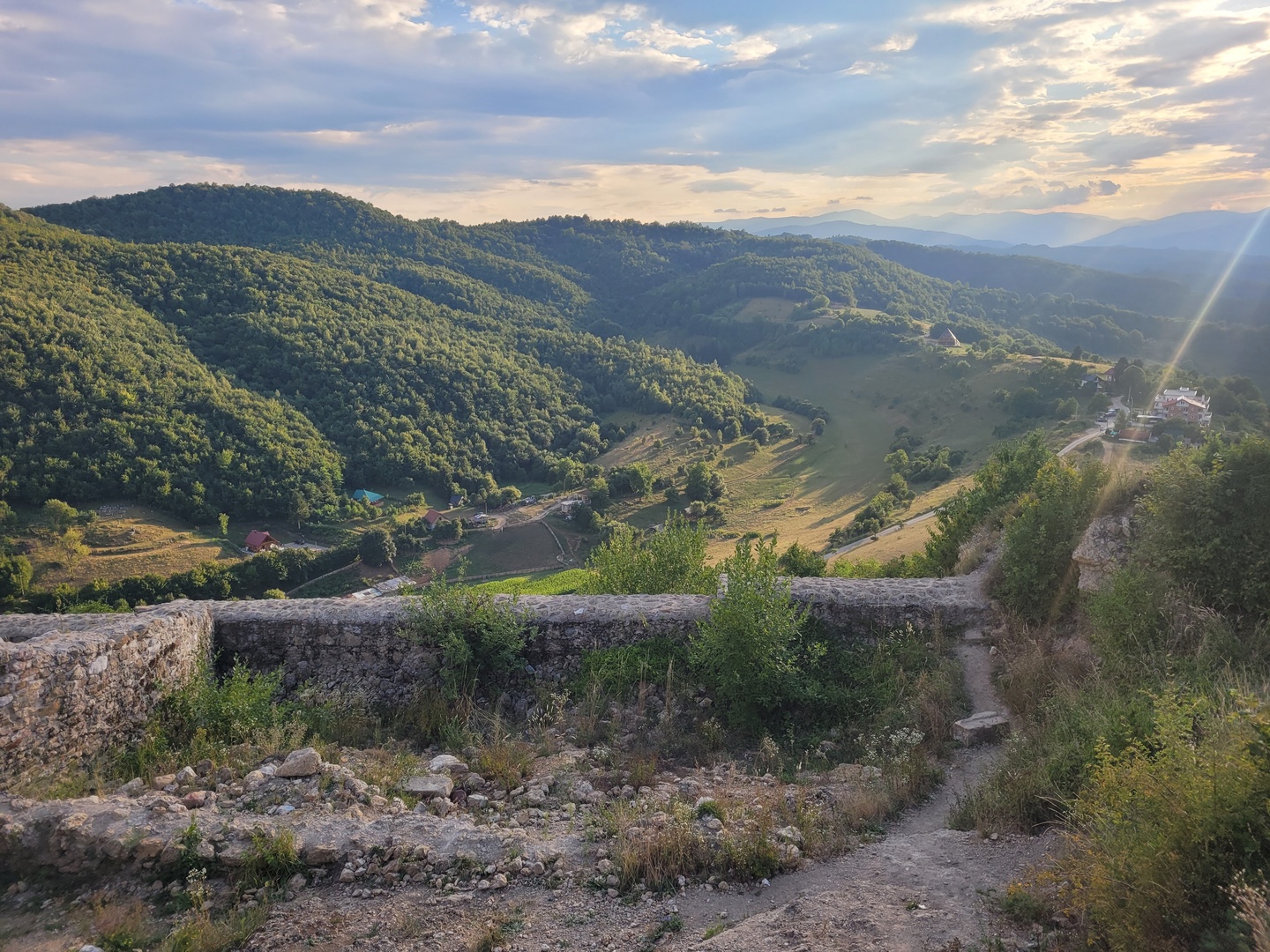
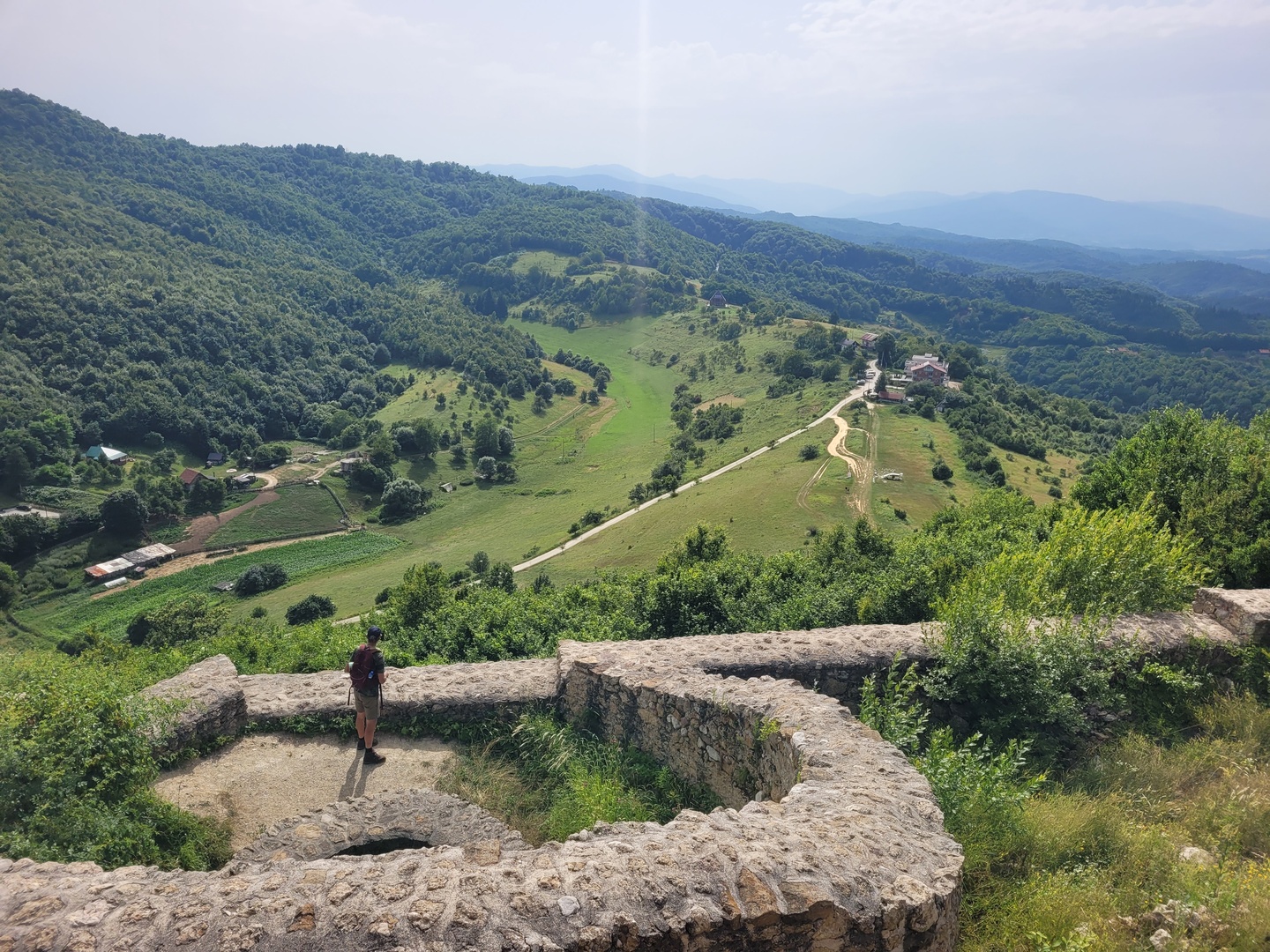
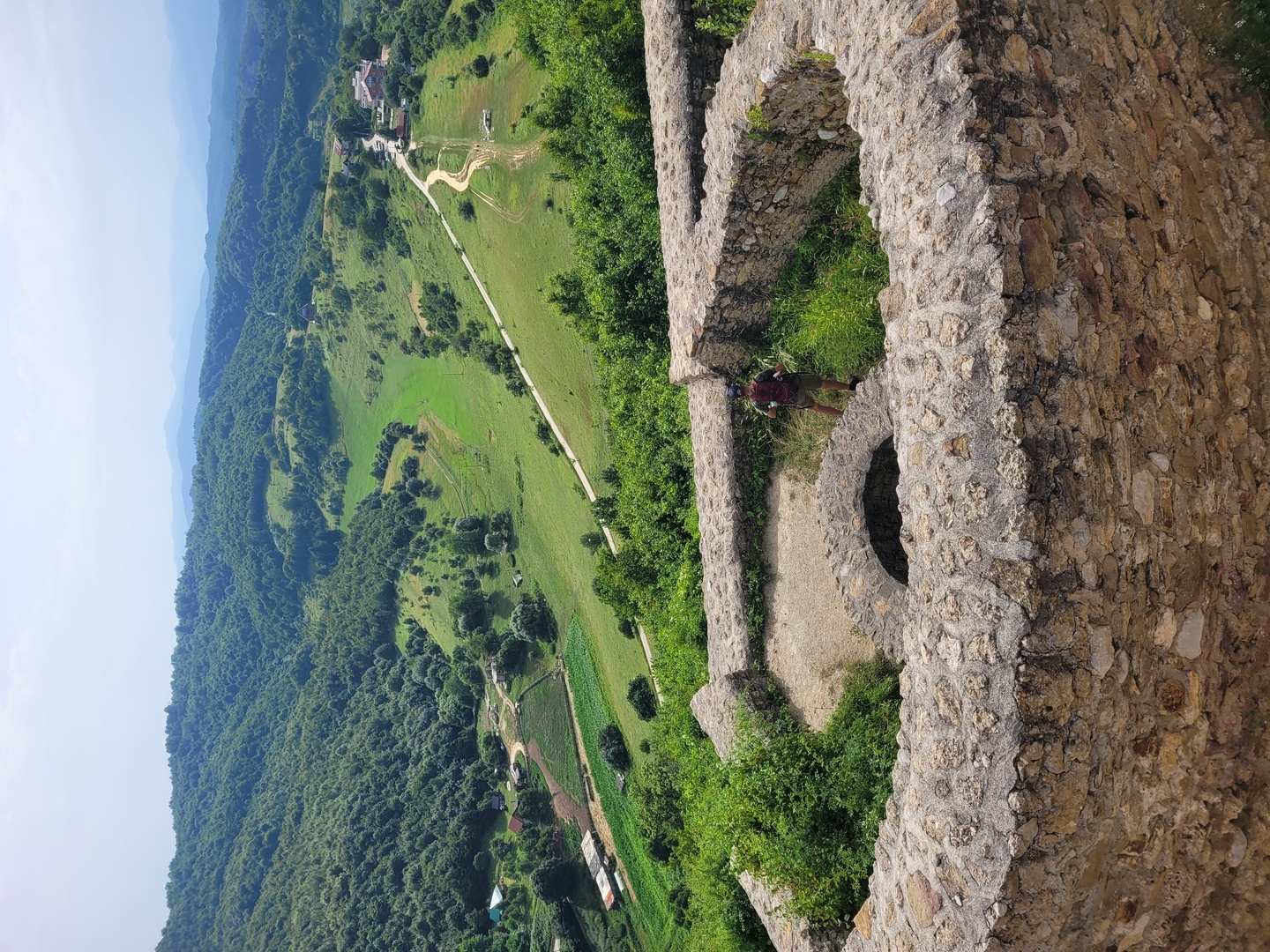
- Explore the medieval fortress of Visoki above the old town
- Attend the annual Bosnian Pyramid Summer Solstice Conference Annual
Spring (April – June) and early Autumn (September – October) are ideal — mild temperatures, green landscapes, and fewer crowds make exploration comfortable.
Summer (July – August) is the most popular season, coinciding with the annual international conference and volunteer excavation season. Expect warm weather and a lively atmosphere.
Winter visits are possible but some outdoor sites may have limited access. The tunnels remain open year-round at a constant cool temperature.
- Ravne Tunnels: Open daily 09:00 – 17:00 (extended hours in summer)
- Entrance fee: Approx. 10 BAM (€5) per person for the tunnel complex
- Pyramid of the Sun trail: Free to access, approx. 45–60 min hike to the top
- Guided tours: Available on-site in English, German, and Bosnian
- Getting there: Visoko is 30 km from Sarajevo — 30 min by car or regular bus from Sarajevo Bus Station
- Parking: Available near the tunnel entrance
The Visoko region and surrounding areas are rich with historical, cultural, and natural attractions. Here are over 20 incredible sites to explore during your visit:
- Sarajevo — Bosnia's vibrant capital with Baščaršija, Latin Bridge, and rich Ottoman-Austro-Hungarian heritage 30 min Must See
- Sarajevo Old Bazaar (Baščaršija) — 15th-century Ottoman marketplace with craft shops and traditional restaurants
- Tunnel of Hope Museum — Moving museum commemorating the Sarajevo siege (1992-1995)
- Vrelo Bosne — Beautiful natural spring park at the source of the Bosna River Nature
- Ilijaš — Charming town with Roman remains and Dubrovnik village known for traditional cuisine Dubrovnik Ilijas
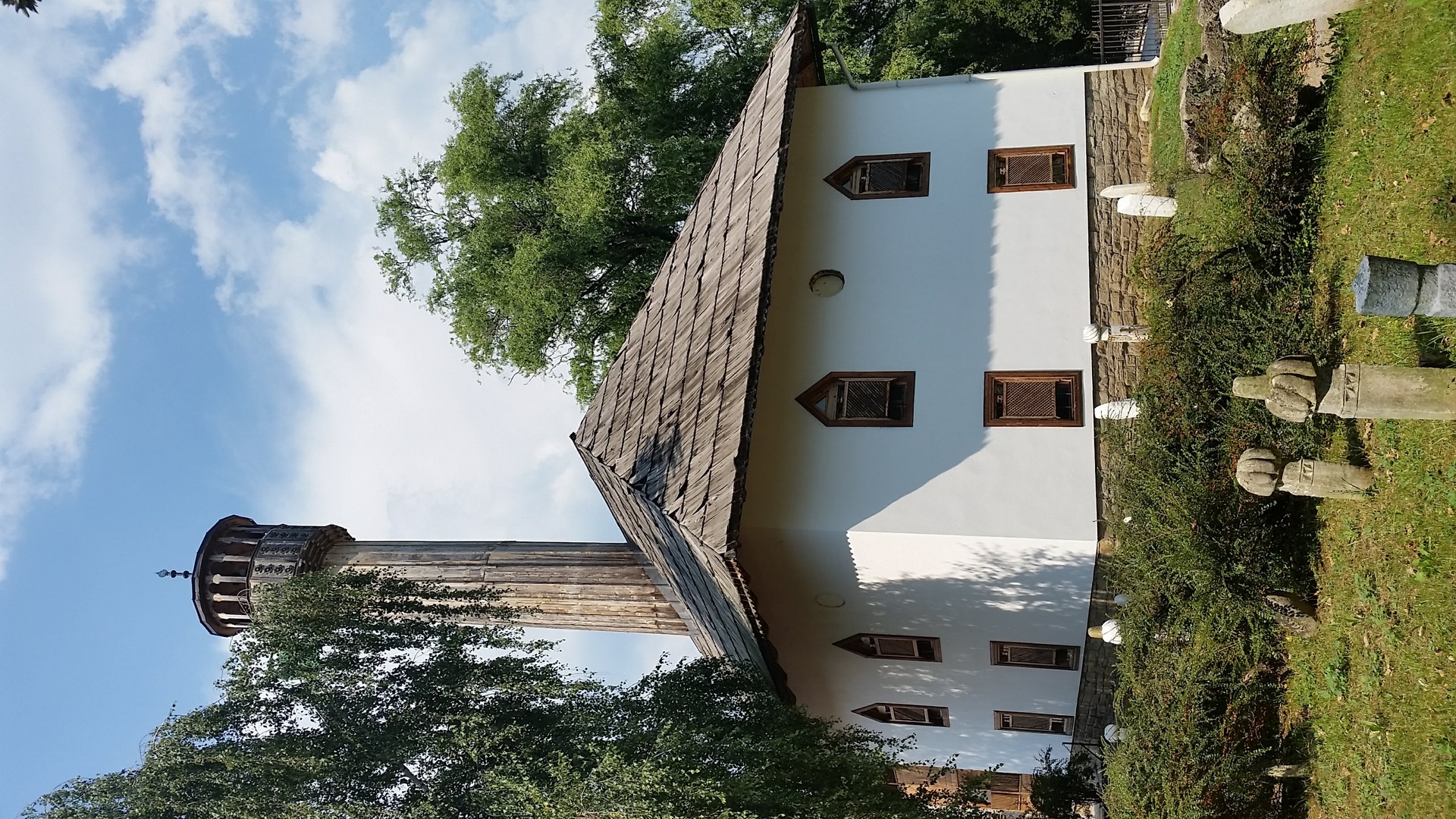
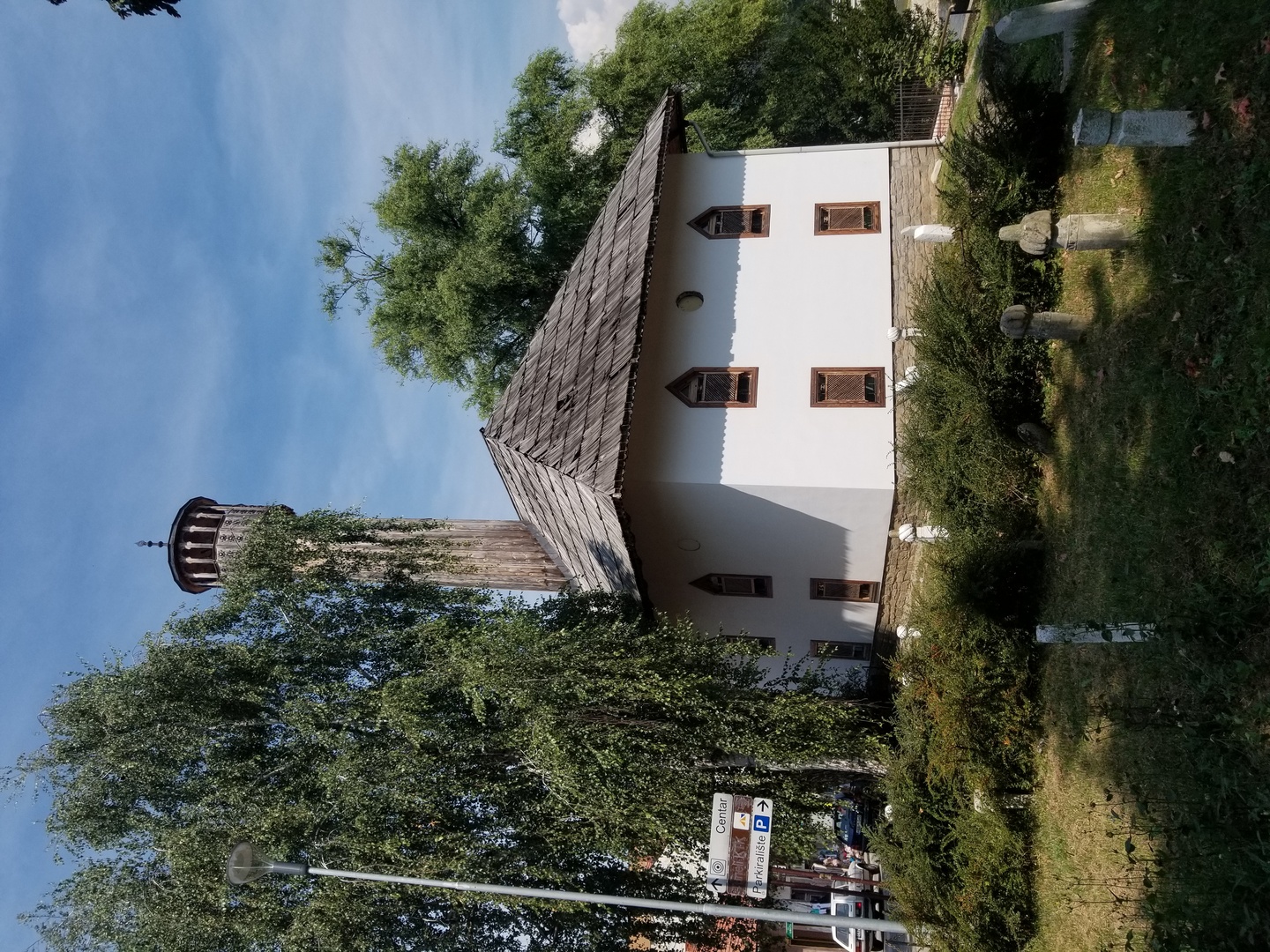
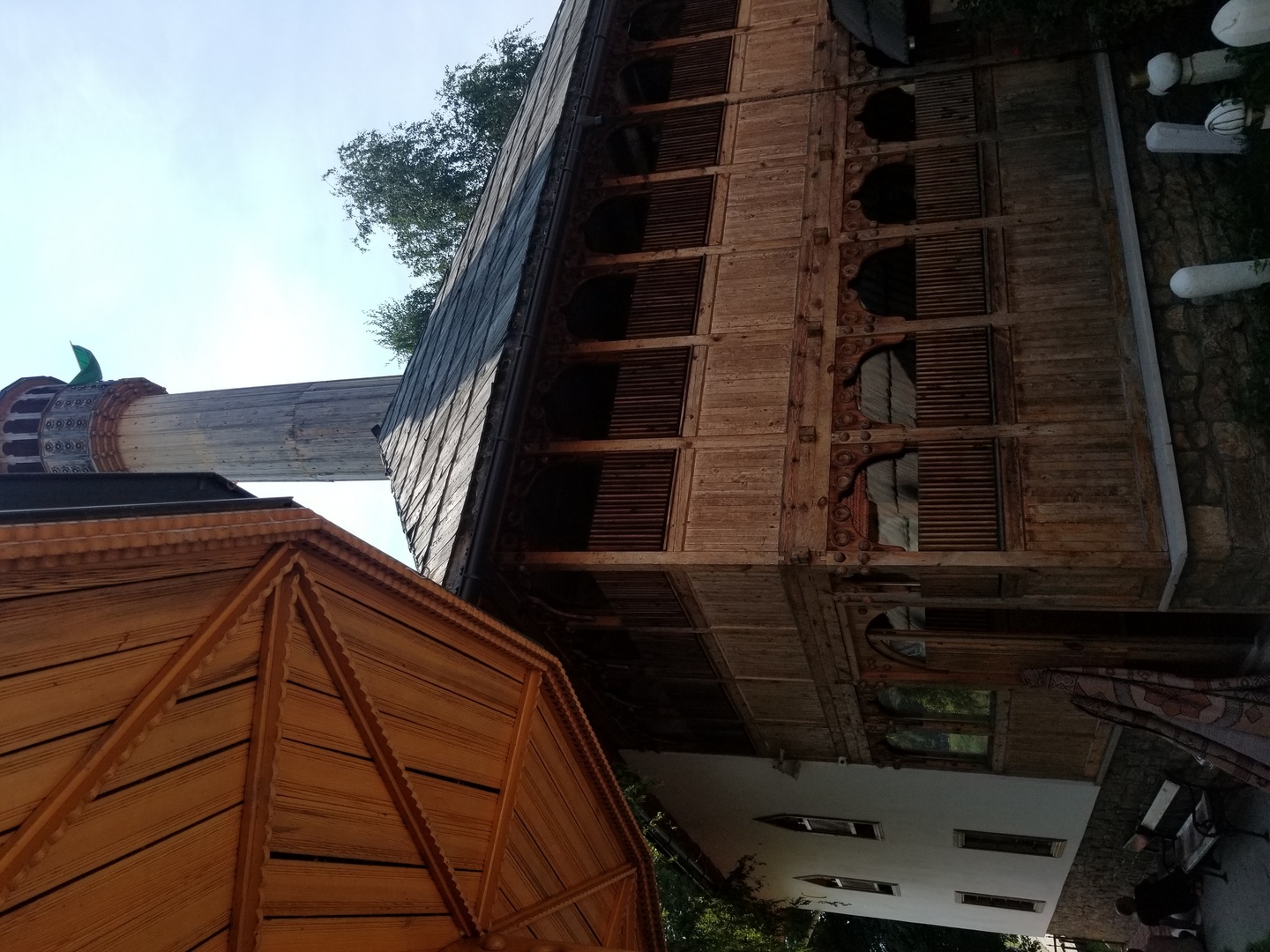
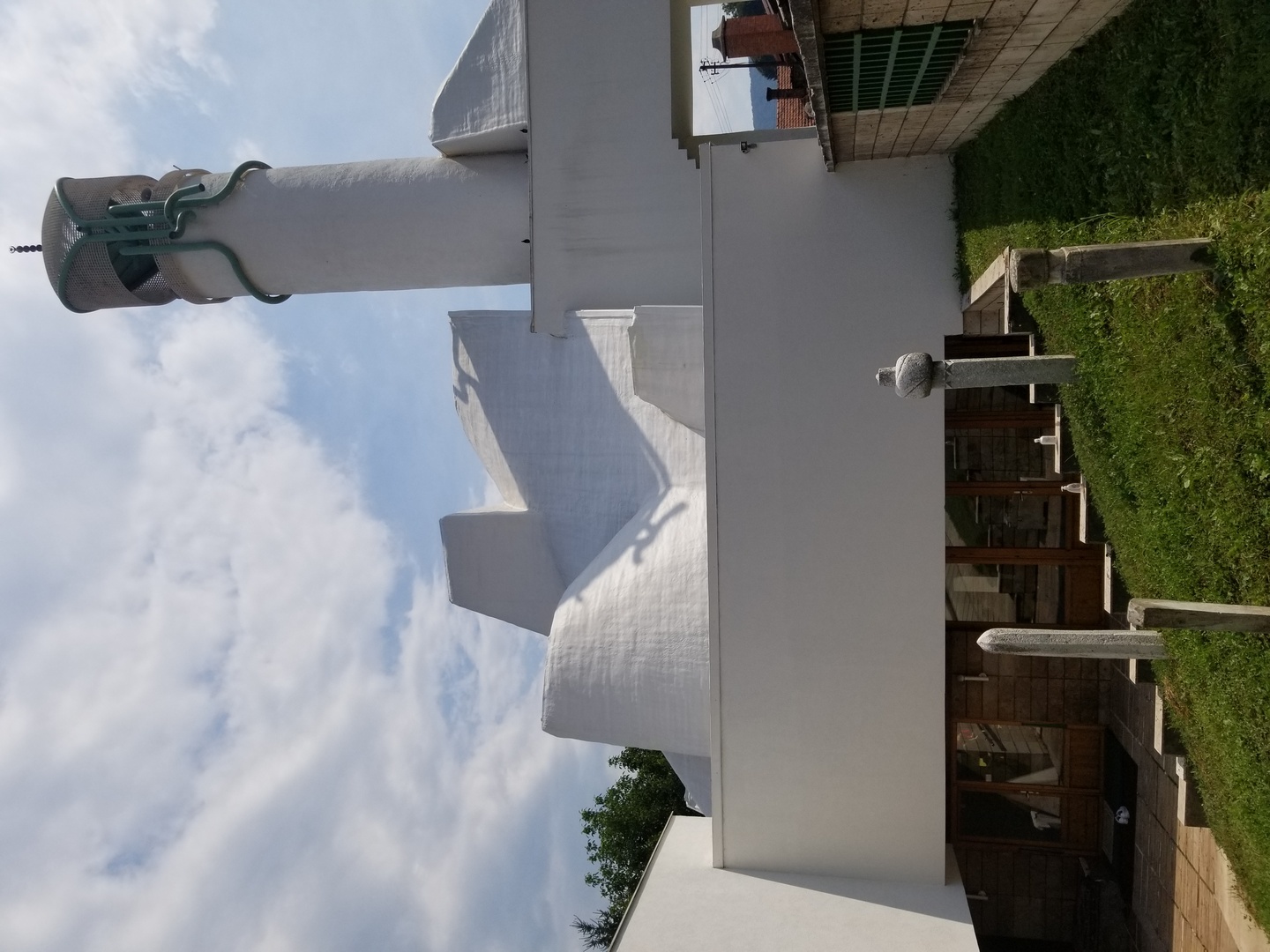
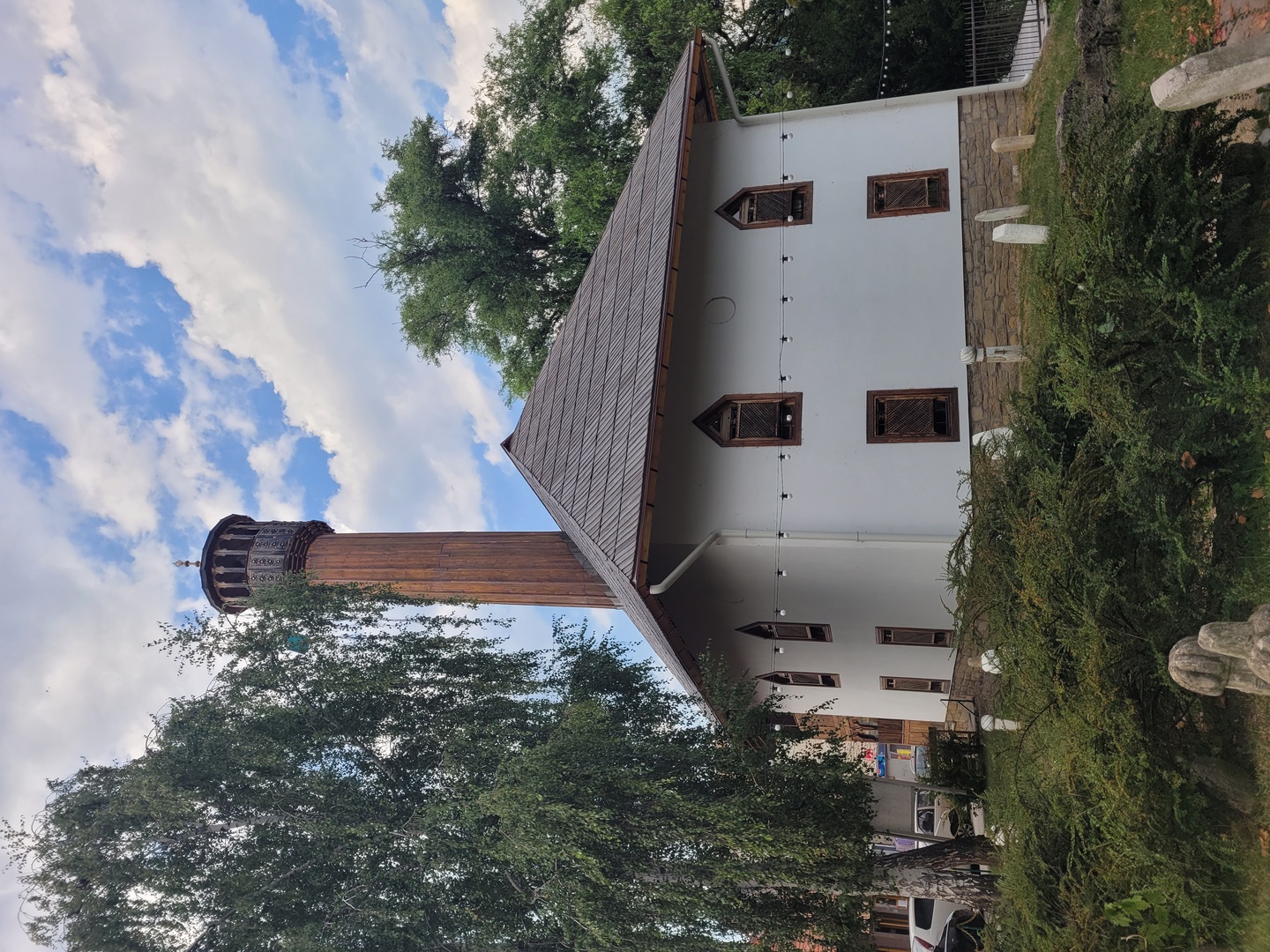
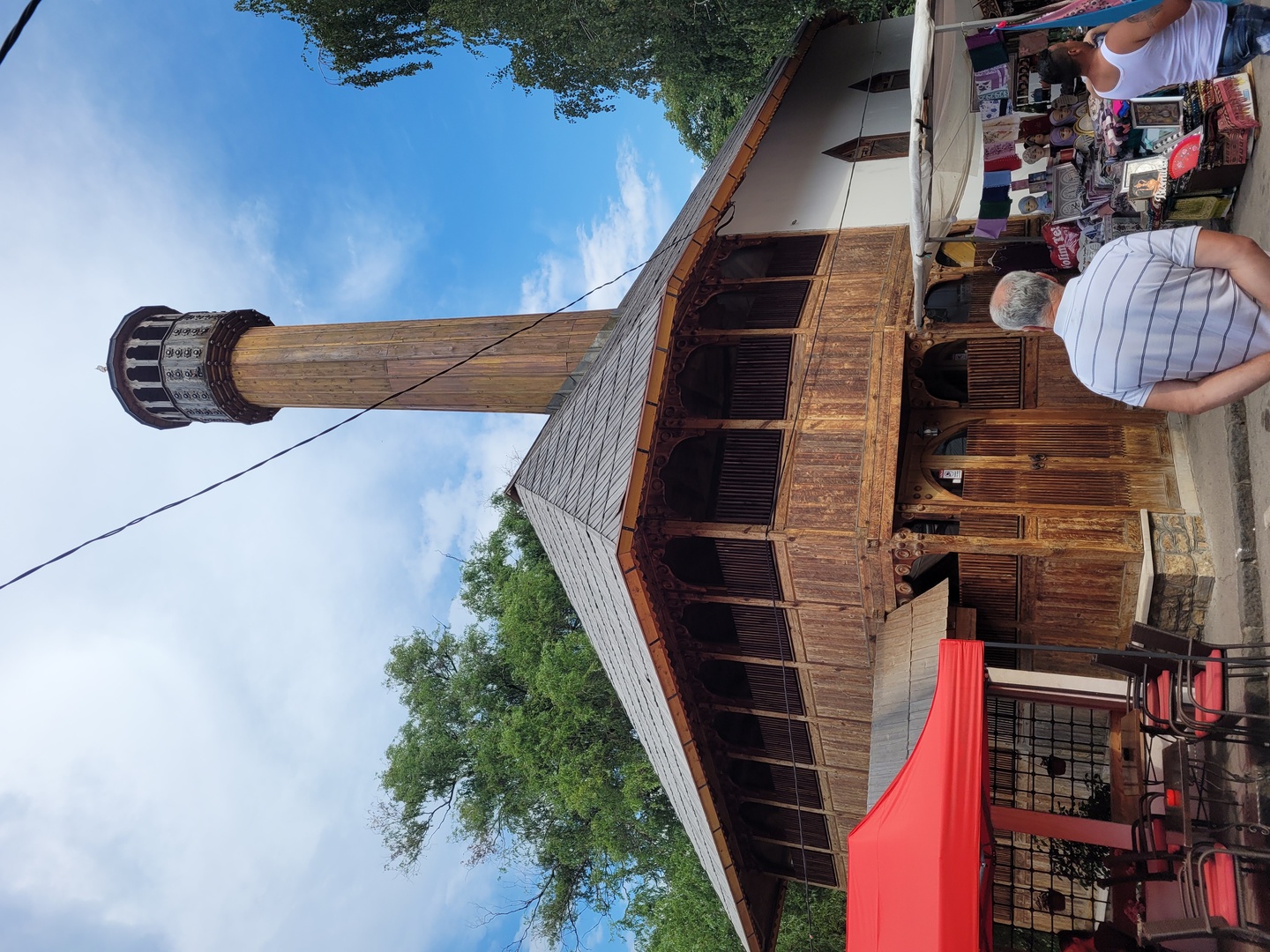
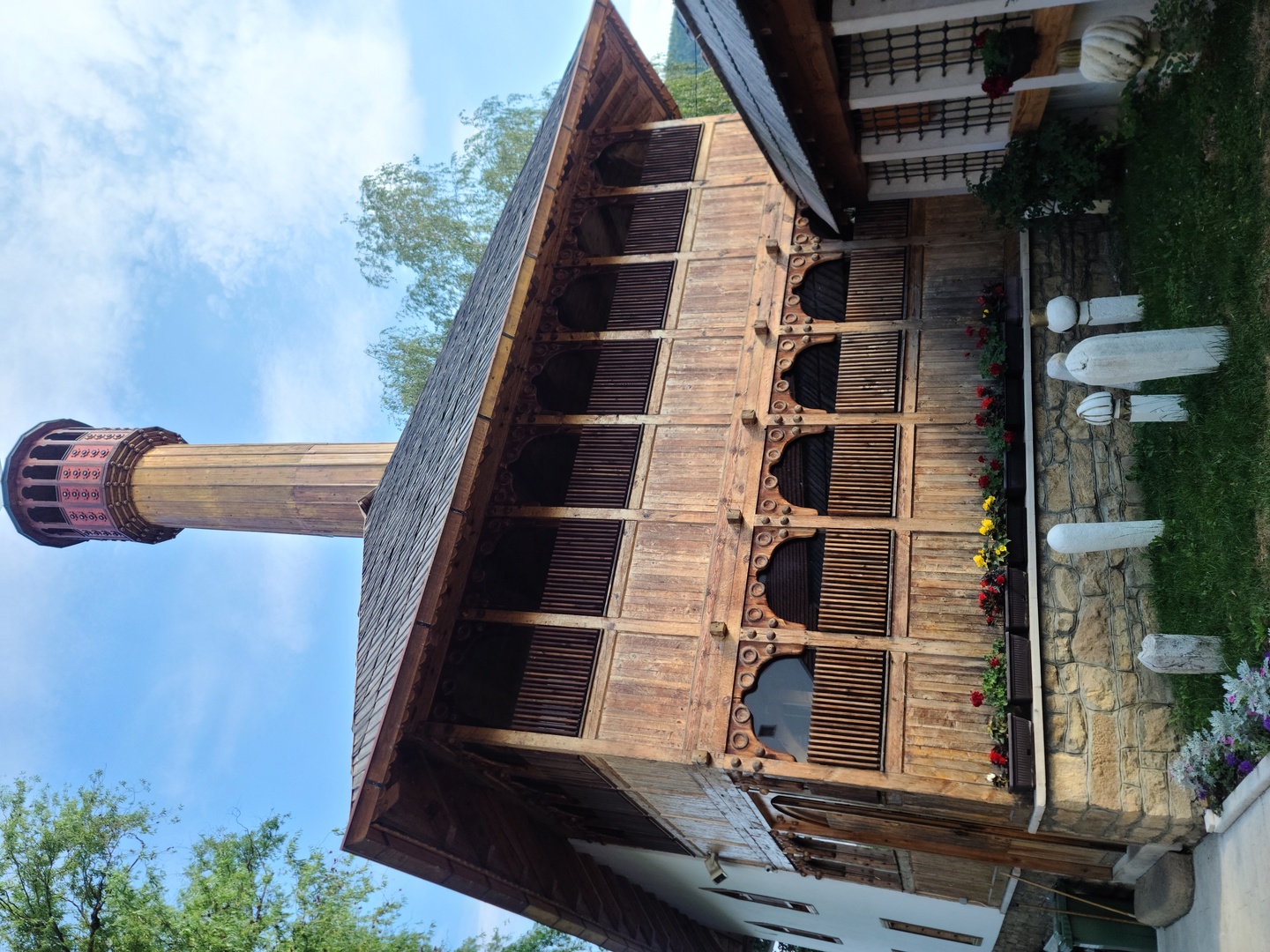
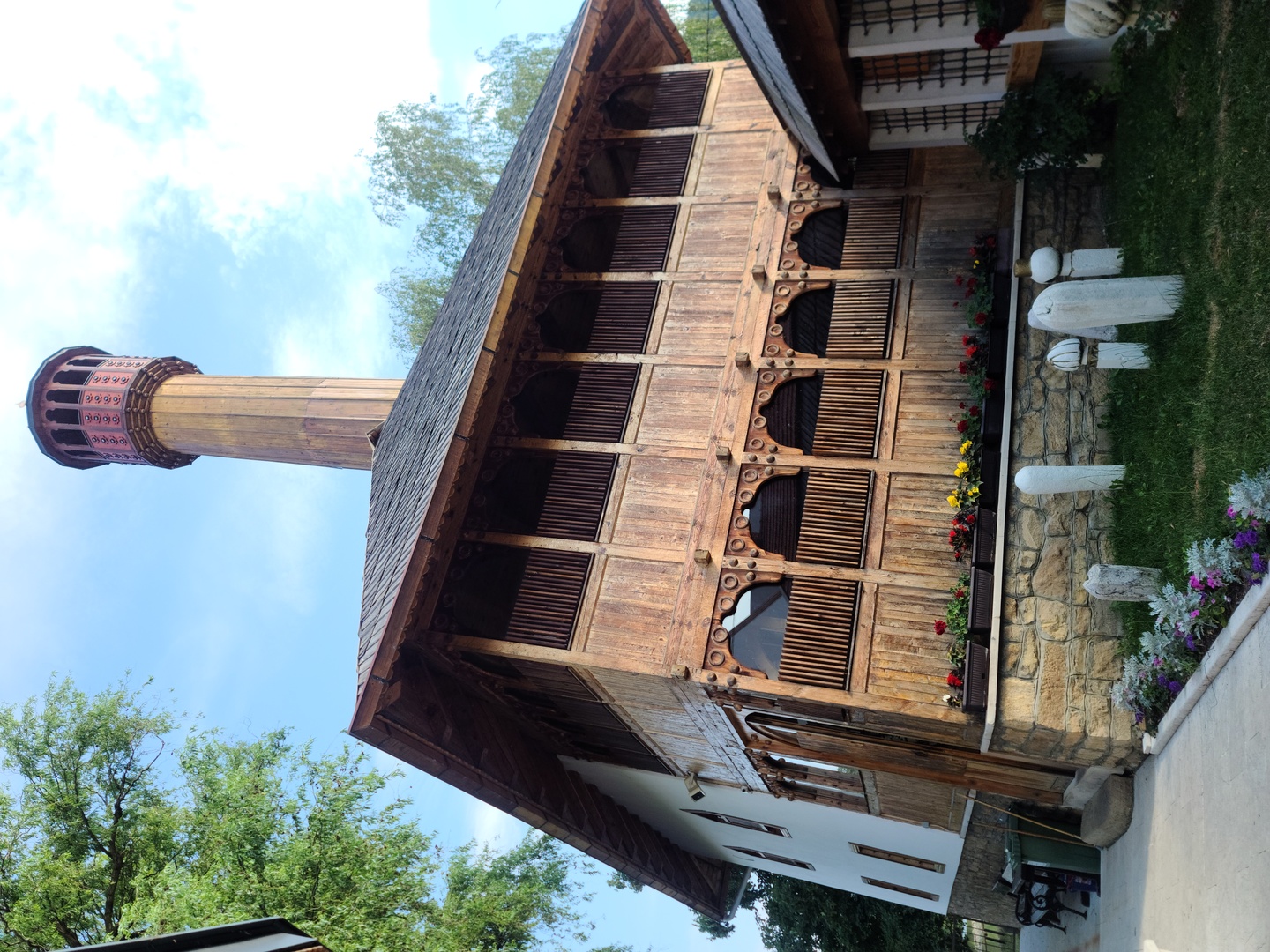
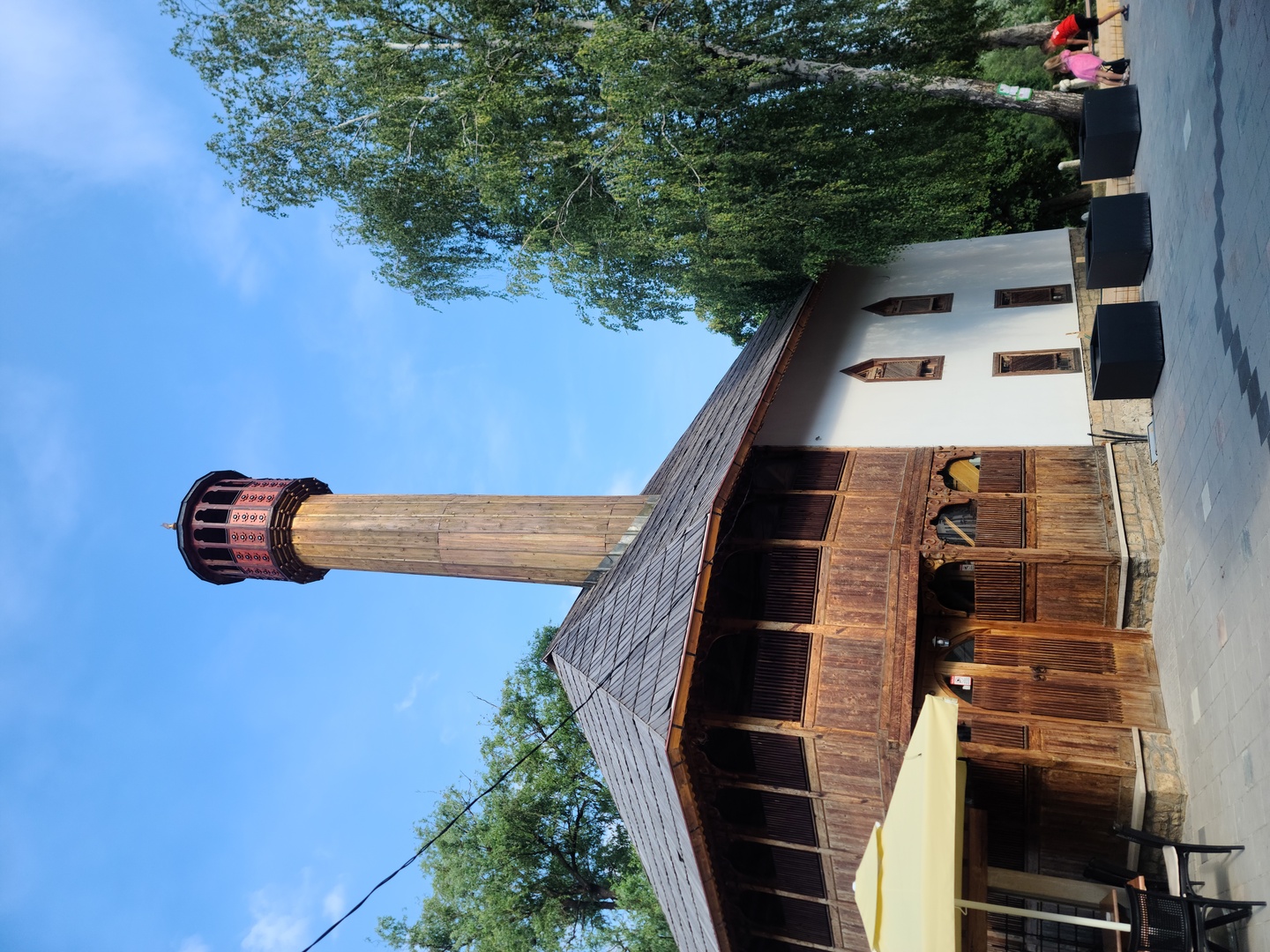
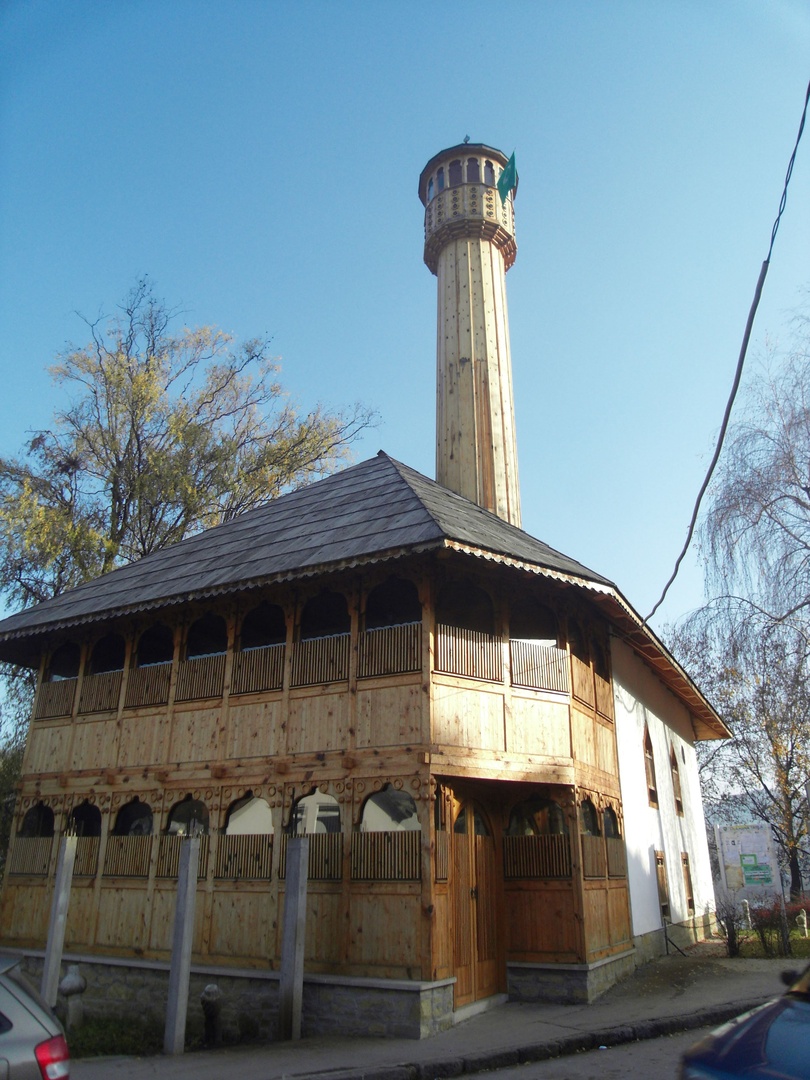
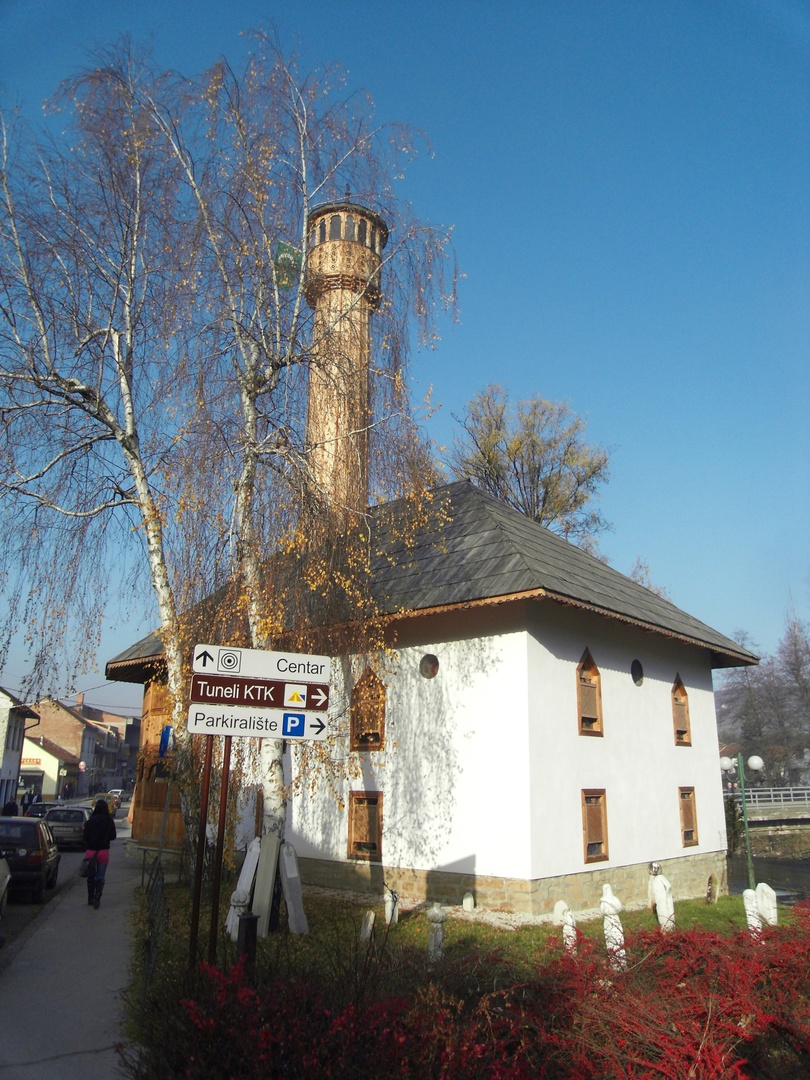
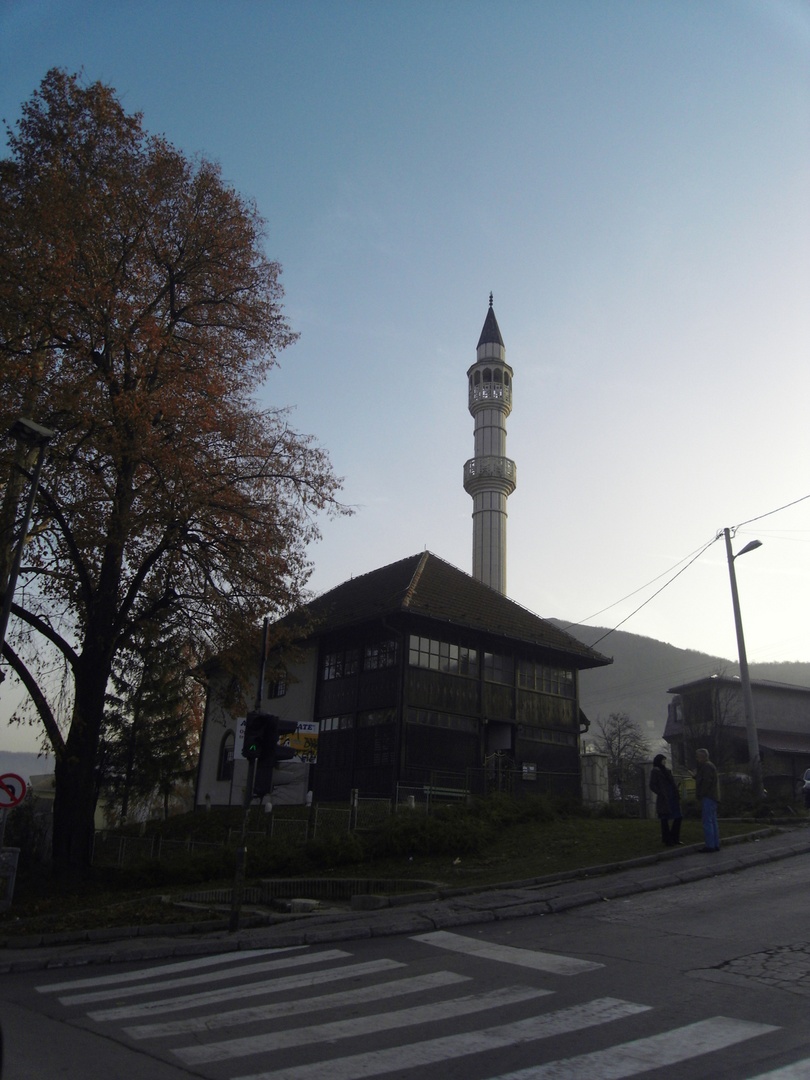
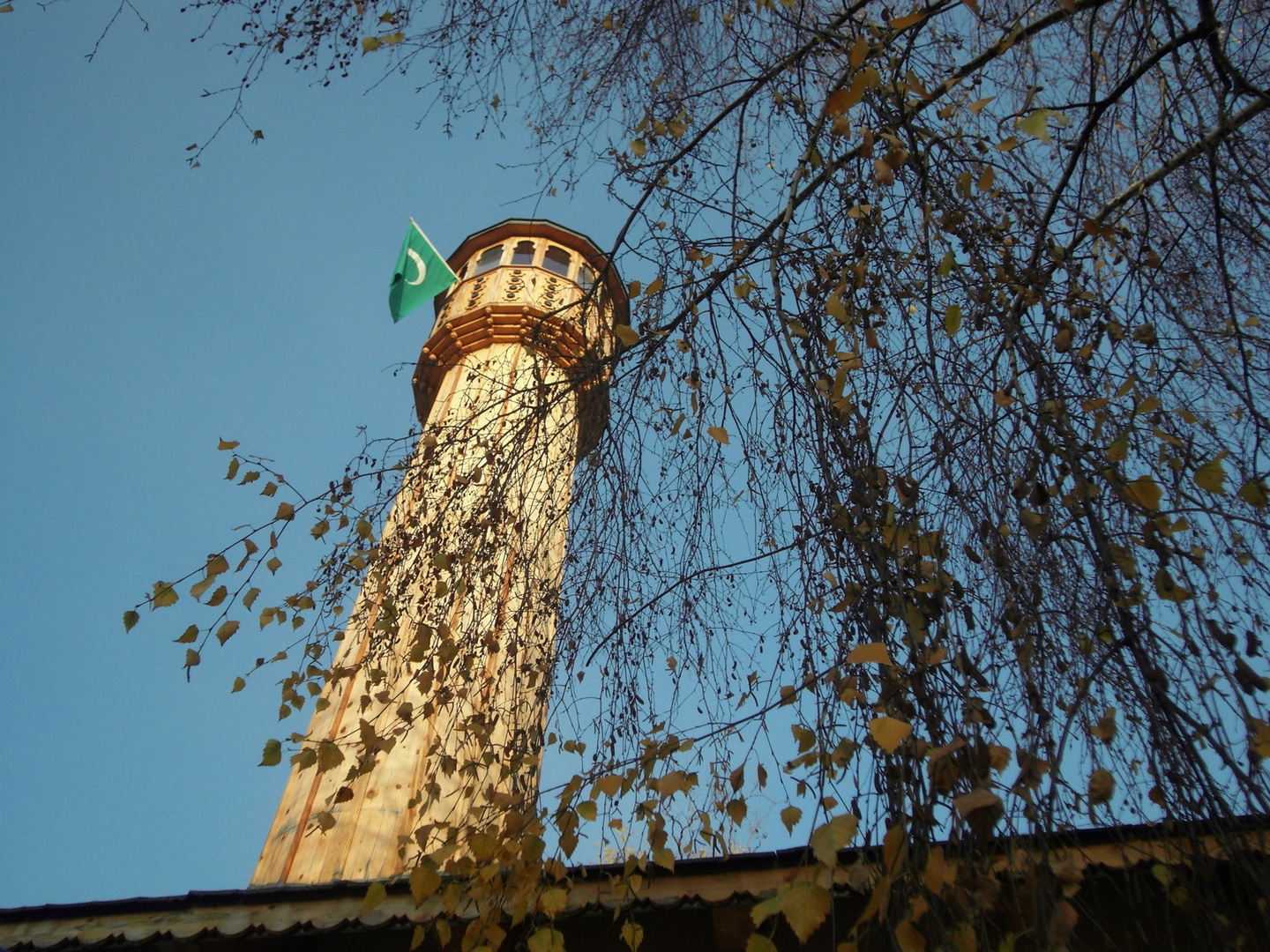
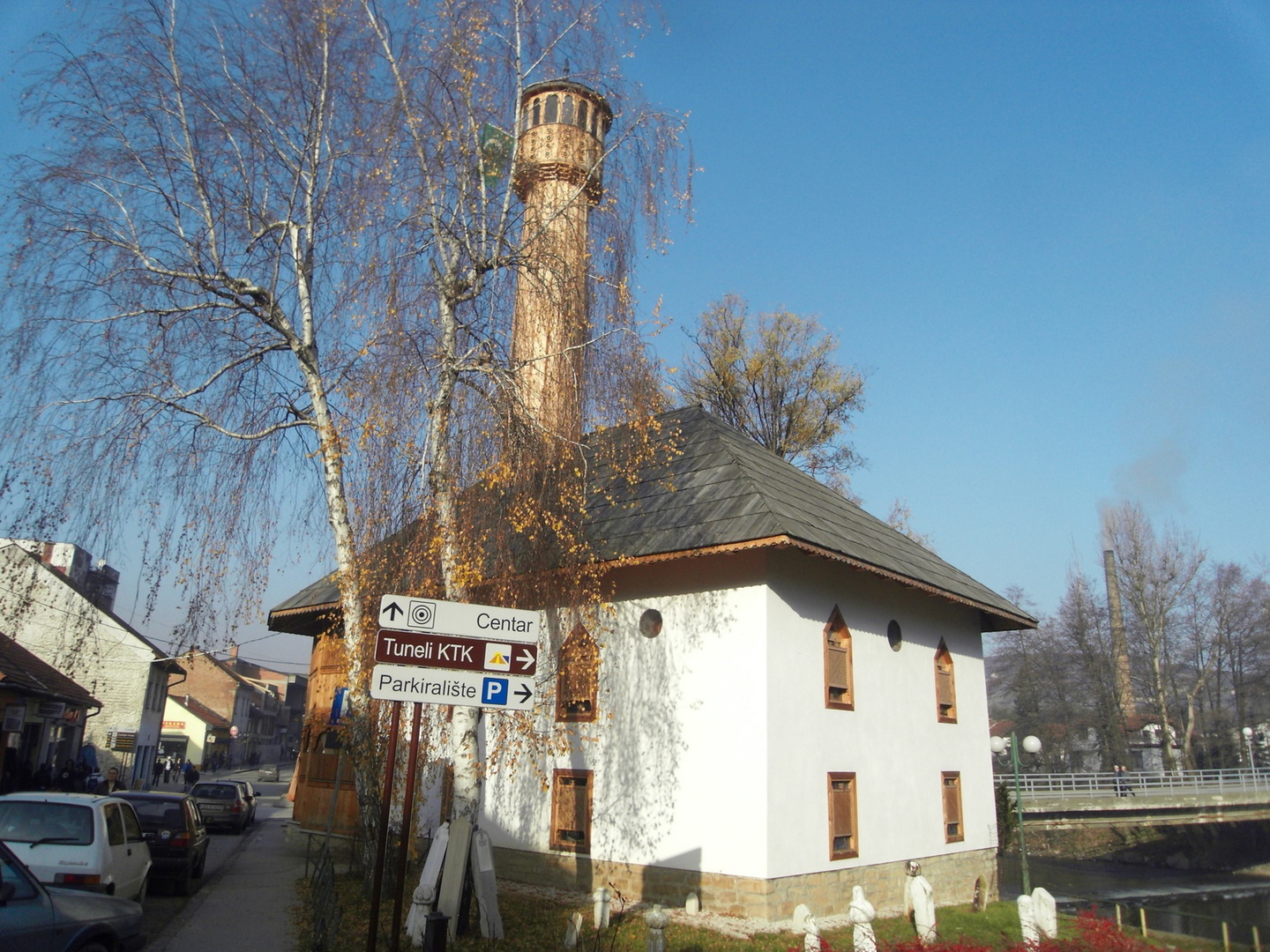
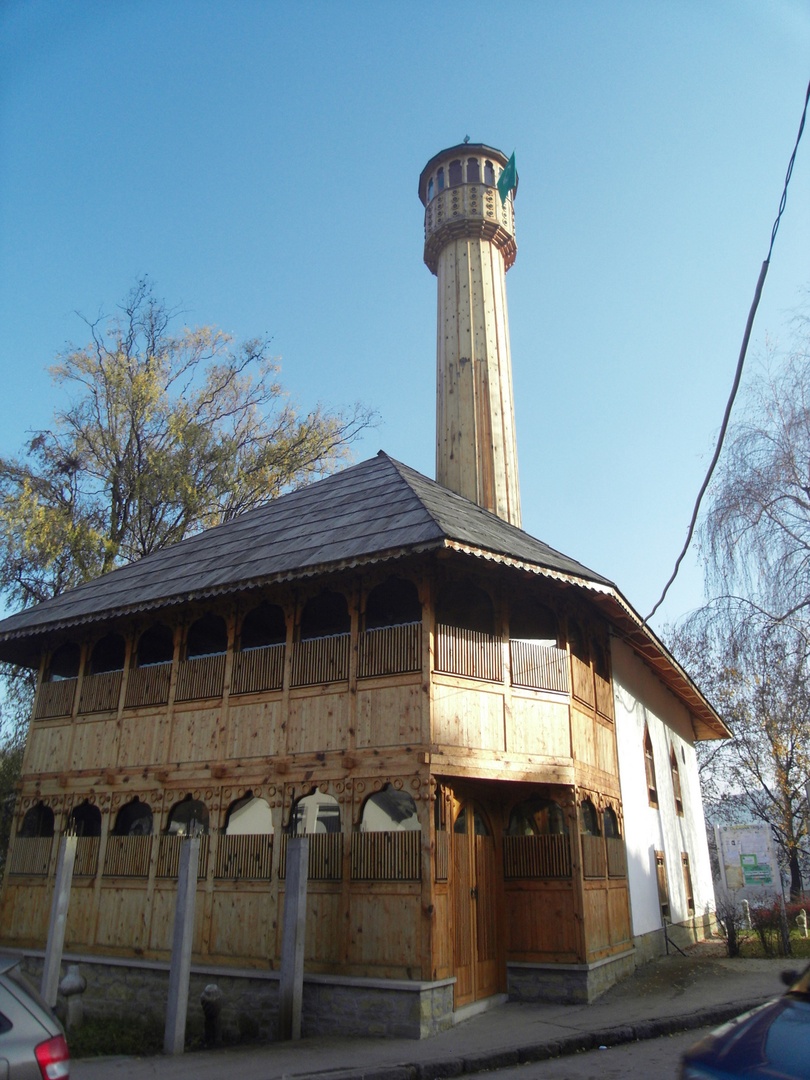
- Stara Džamija Podgora — Historic Ottoman mosque near Visoko with beautiful surroundings Cultural Heritage
- Bazilika Breza — Early Christian basilica ruins from the 5th-6th century Ancient
- Okolište Neolithic Site — One of Europe's largest Neolithic settlements (5200-4500 BCE)
- Visoki Town (Old Town Visoko) — Medieval fortress above Visoko, former royal seat of Bosnian kings
- Bobovac Fortress — Medieval royal fortress, burial site of Bosnian kings Scenic
- Zenica — Bosnia's third-largest city with Roman ruins and historic old town
- Kraljeva Sutjeska — Medieval royal town with Franciscan monastery and historic mosque
- Vranduk Fortress — Impressive medieval fortress on the Bosna River near Zenica
- Travnik — Former capital of Bosnian viziers with fortress, colorful mosque, and traditional ćevapi
- Bijambare Cave System — Beautiful cave complex with stalactites and walking trails
- Igman Mountain — Olympic mountain with hiking, skiing, and stunning views
- Bjelasnica Mountain — 1984 Winter Olympics mountain, popular for skiing and hiking
- Trebević Mountain — Sarajevo's mountain with cable car and abandoned Olympic bobsled track
- Skakavac Waterfall — Spectacular 98-meter waterfall near Sarajevo
- Mostar — UNESCO World Heritage city with iconic Stari Most (Old Bridge) UNESCO
- Jajce — Stunning waterfall in city center, medieval fortress, and AVNOJ museum UNESCO Candidate
- Konjic — Picturesque town with Tito's nuclear bunker (ARK D-0) and Ottoman bridge
- Blagaj Tekke — Spectacular Dervish monastery at the source of the Buna River
- Počitelj — Beautifully preserved Ottoman fortified village Picturesque
- Kravice Waterfalls — Magnificent travertine waterfalls, popular swimming spot Swimming
- Međugorje — International Catholic pilgrimage site with Apparition Hill Pilgrimage
- Stolac — Ancient town with Radimlja stećci necropolis (medieval tombstones)
- Dubrovnik, Croatia — Famous UNESCO walled city on the Adriatic coast 3 hours
- Pliva Lakes & Watermills — Picturesque lakes with traditional wooden watermills near Jajce
- Tešanj Fortress — One of Bosnia's largest and best-preserved medieval fortresses
- Srebrenik Fortress — Stunning medieval fortress, one of the oldest in Bosnia
- Maglaj Fortress — Impressive medieval fortress overlooking the town of Maglaj
- Vareš — Historic mining town with medieval and Ottoman heritage
- Gazi Husrev-beg Mosque — Most important Ottoman mosque in Sarajevo (1531)
- Sacred Heart Cathedral — Iconic neo-Gothic Catholic cathedral in Sarajevo
- Old Orthodox Church — One of the oldest Orthodox churches in the Balkans
- National Museum of Bosnia and Herzegovina — Home to the famous Sarajevo Haggadah
- War Childhood Museum — Unique museum about children's experiences during the siege
- History Museum of Bosnia and Herzegovina — Comprehensive exhibits on Bosnian history
- Mile Archaeological Site — Coronation and burial place of Bosnian kings
- Wear comfortable walking shoes — the pyramid trail is steep and uneven in places
- Bring a light jacket for the tunnels — the temperature inside stays around 12°C year-round
- Combine your visit with a day trip to Sarajevo for a full Bosnian experience
- Arrive early on weekends — the tunnel entrance can get busy by mid-morning in summer
- Local cafés near the tunnel entrance serve traditional Bosnian coffee and food
- Photography is welcome throughout most of the site — bring a torch for the deeper tunnel sections
History of Visoko Through the Ages
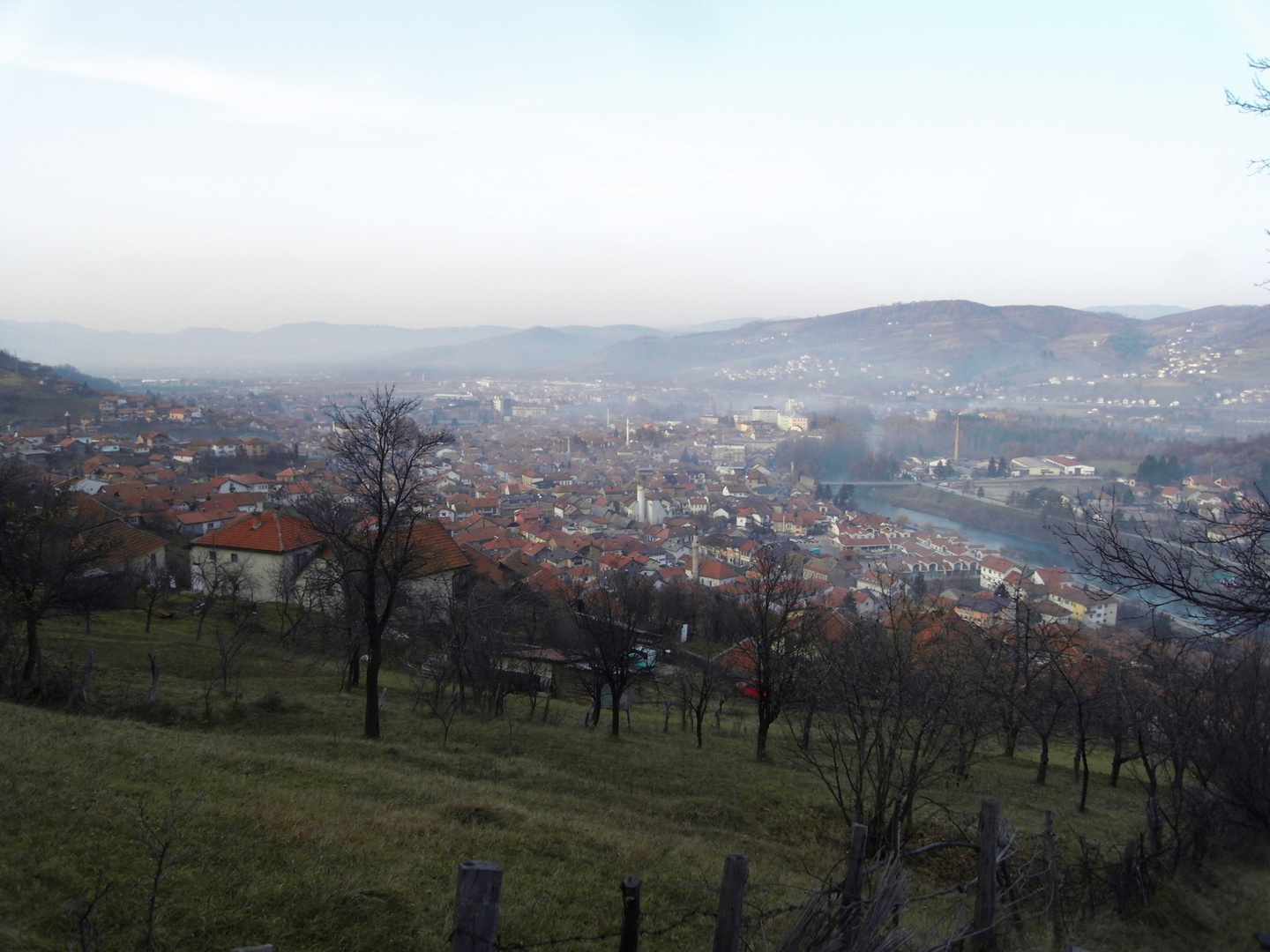
The Visoko valley has been inhabited since the Neolithic era, making it one of the oldest populated regions in Bosnia and Herzegovina. Archaeological discoveries at Okolište reveal a large and organized settlement where early communities practiced agriculture, craftsmanship, and trade. In later centuries, the area became home to Illyrian tribes, especially the Daesitiates, who developed fortified hill settlements and maintained a distinct cultural identity before the arrival of the Romans.
With the Roman conquest in the 1st century AD, the Visoko region became part of the province of Illyricum. Although not a major urban center, it was integrated into the Roman system of roads and trade routes that connected inland territories with the Adriatic coast. Evidence of Roman presence, including villa remains and artifacts, points to agricultural activity and local economic development under imperial administration.
During the medieval period, Visoko emerged as one of the most important political and cultural centers of the Bosnian state. The nearby site of Mile served as a coronation and burial place for Bosnian rulers, including Tvrtko I. Overlooking the valley, the fortress of Visoki controlled trade routes and symbolized royal authority. The town developed into a vibrant hub of commerce, governance, and religious life, playing a central role in the formation of medieval Bosnian identity.
After the Ottoman conquest of Bosnia, Visoko became part of the Ottoman Empire and underwent significant transformation. The town adopted an oriental urban structure, with mosques, bazaars, and traditional neighborhoods shaping daily life. Trade and craftsmanship flourished, particularly in leatherworking and small-scale manufacturing, while Islamic culture and institutions became deeply rooted in the community.
Following the Congress of Berlin, Visoko entered a new phase under Austro-Hungarian administration. Modern infrastructure, including roads and railways, was introduced, along with new systems of governance and education. The town began to reflect Central European architectural styles, marking a transition toward modernization while retaining elements of its Ottoman heritage.
In the 20th century, Visoko became part of Yugoslavia and developed into a notable industrial center. The growth of textile and leather industries brought employment and urban expansion, transforming the town into a hub of economic activity. This period significantly shaped the modern identity of Visoko, with industry playing a central role in everyday life.
The War of Aggression against Bosnia and Herzegovina (1992–1995) was a brutal conflict initiated by the Yugoslav People's Army (JNA) and Serbian forces under Slobodan Milošević, alongside Bosnian Serb paramilitary units. Their goal was to prevent Bosnia's independence and carve out an ethnically cleansed territory to create "Greater Serbia." The aggression was marked by systematic war crimes, including ethnic cleansing, concentration camps, mass executions, and the siege of cities — the worst atrocities on European soil since World War II.
Visoko During the War: Throughout the conflict, Visoko remained under the control of the Army of the Republic of Bosnia and Herzegovina (ARBiH). The town served as a crucial logistical hub, weapons depot, and humanitarian aid distribution center for central Bosnia. Its strategic location made it vital for defending the Bosnian heartland against the advancing aggressor forces.
- Refugee crisis: Visoko became a sanctuary for tens of thousands of Bosniak and Croat refugees fleeing ethnic cleansing campaigns in surrounding areas — from Vlasenica, Zvornik, Foča, Višegrad, and later from the Neretva Valley and Western Bosnia
- Humanitarian hub: The town housed key humanitarian organizations, including local charities and international aid groups, coordinating food, medicine, and essential supplies for displaced families and front-line defenders
- Front-line proximity: The front lines were often within kilometers of the town. Nearby villages like Gračanica, Dobrinje, and parts of the Visoko valley saw intense fighting and sustained damage
- Cultural preservation: Despite the war, local residents worked to protect historical artifacts and cultural heritage, including safeguarding medieval tombstones (stećci) and mosque archives
- Resistance and survival: The people of Visoko organized self-defense units, food distribution networks, and schools for children despite constant threat from nearby Serb forces positioned in the surrounding hills
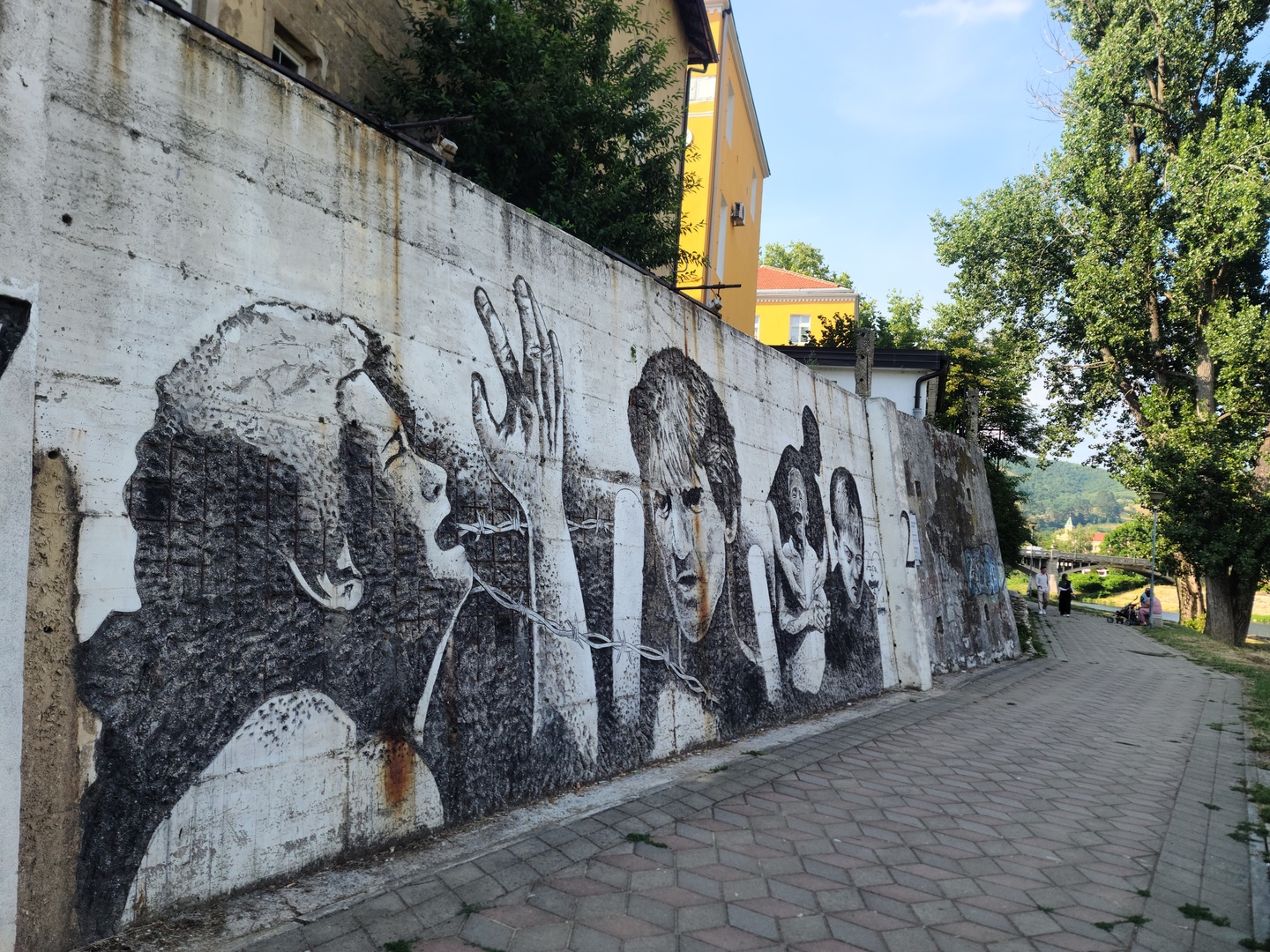
War Crimes and Destruction: Surrounding Bosnian Serb forces carried out systematic shelling of villages in the Visoko municipality, destroying homes, mosques, and civilian infrastructure. The nearby villages of Gračanica and Dobrinje suffered significant damage, with many residents killed or expelled. The aggression also targeted cultural heritage — several historic mosques and traditional Bosnian homes in the region were demolished during the war.
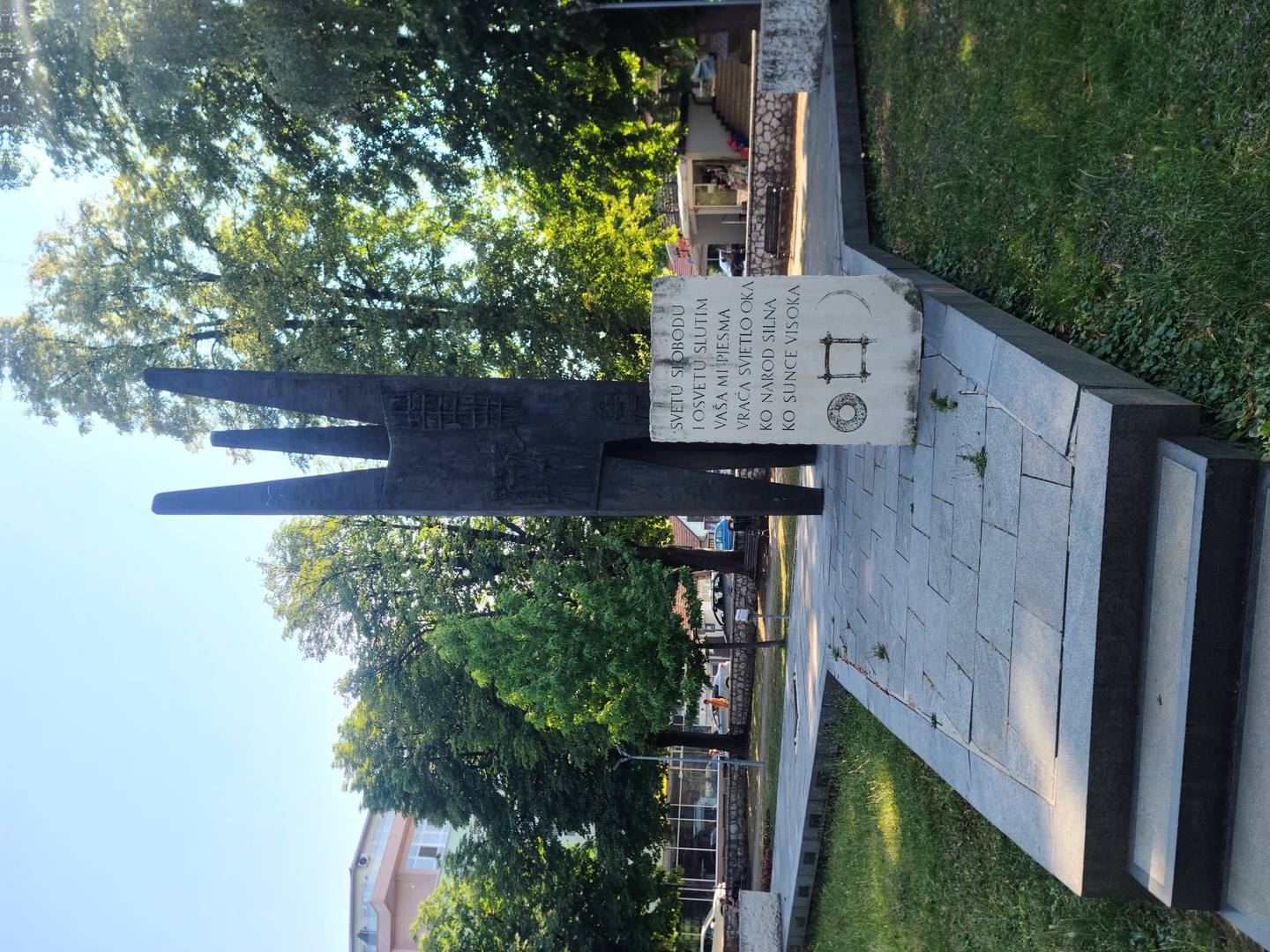
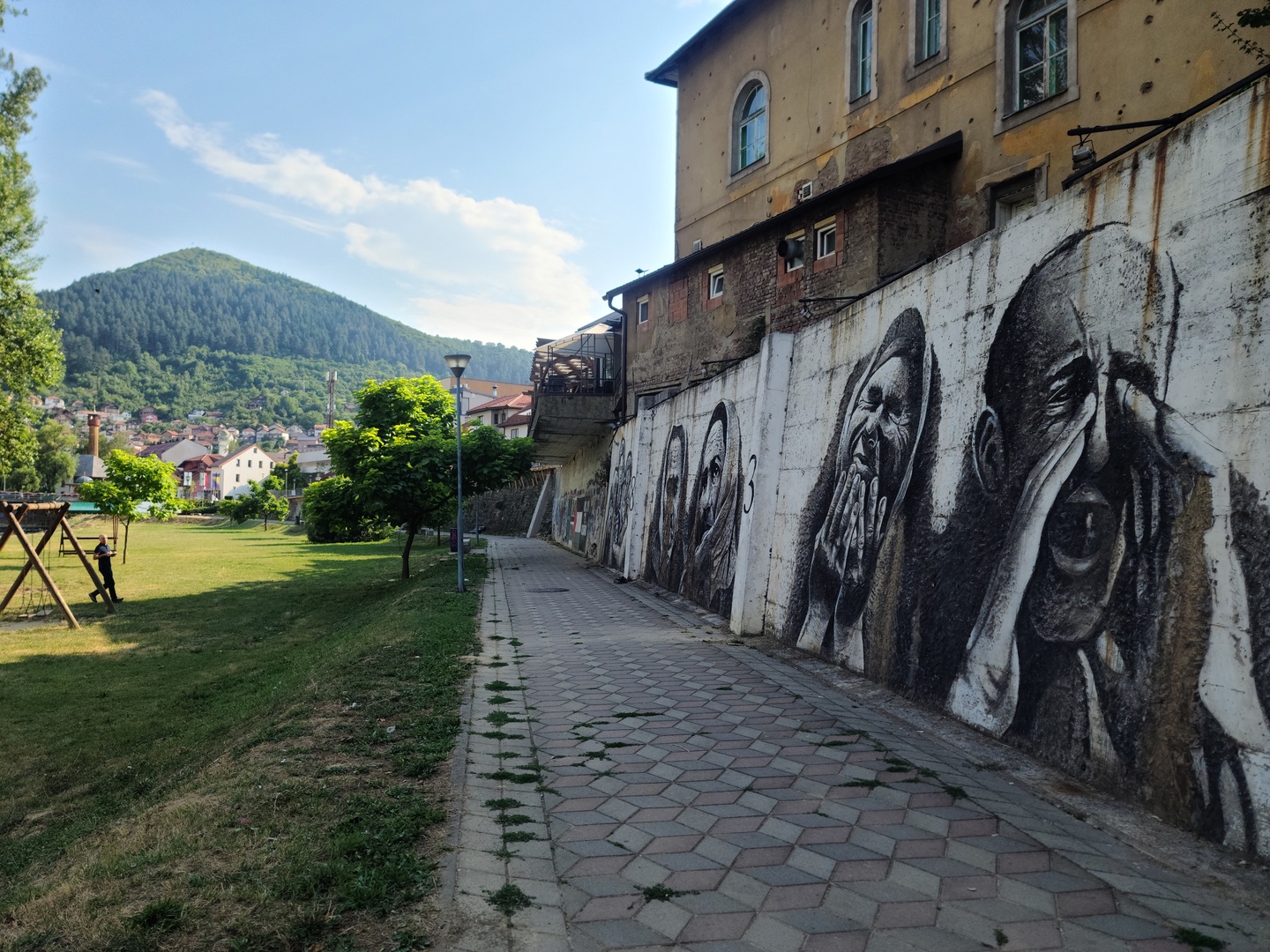
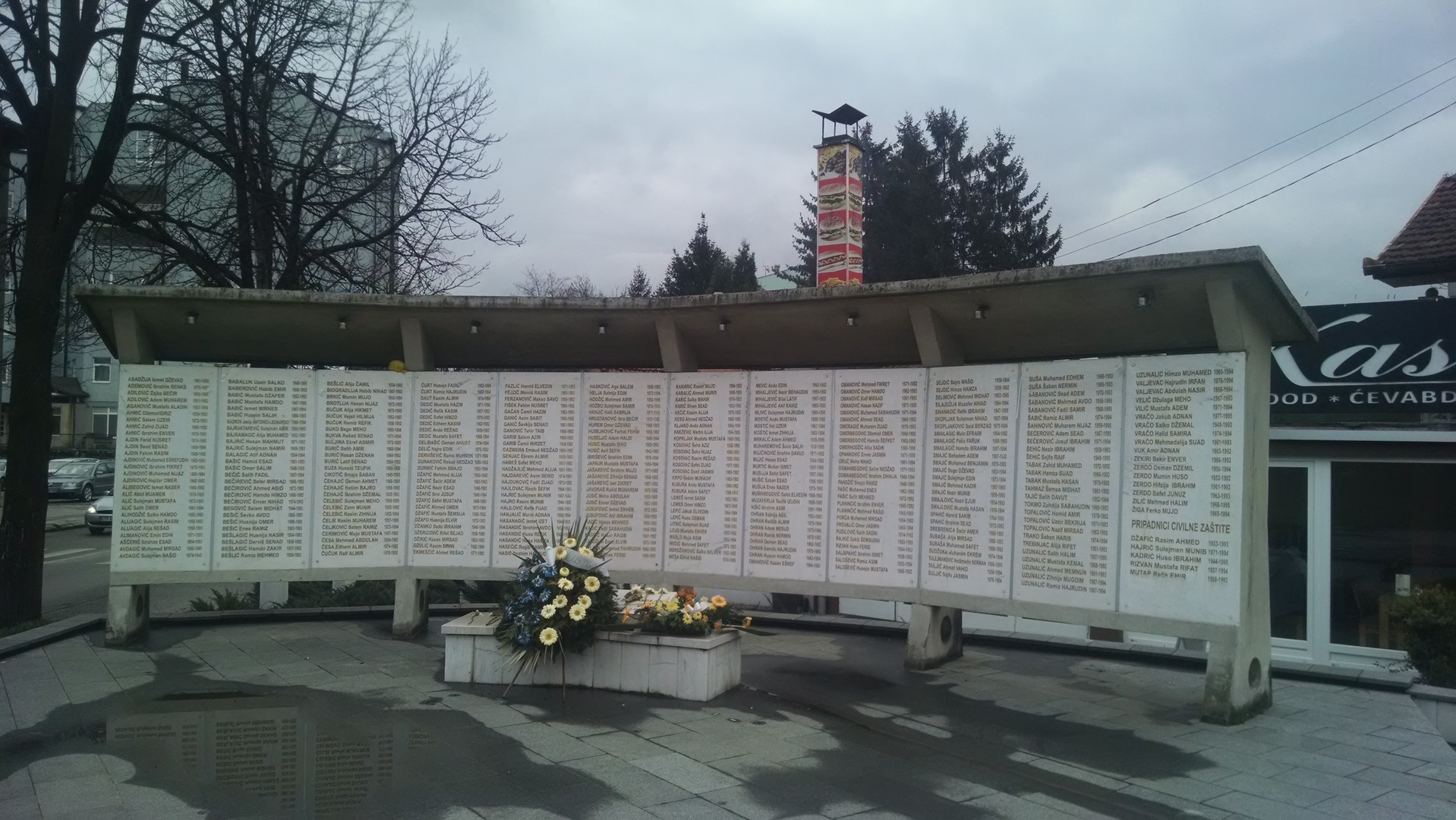
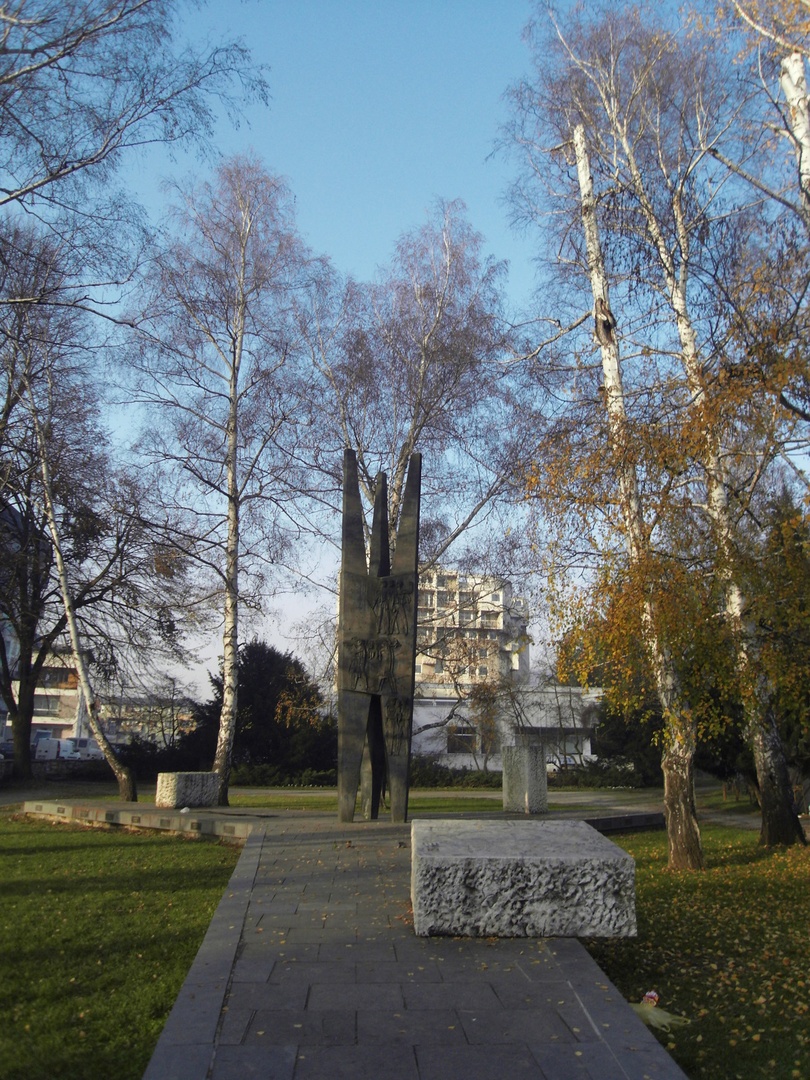
Aftermath and Legacy: The war ended with the Dayton Peace Accords in December 1995, but the wounds of the aggression remain. Visoko today honors its defenders and victims through memorials, including the central monument in the town square commemorating those who gave their lives defending Bosnia and Herzegovina. The war left deep scars — families lost loved ones, homes were destroyed, and the economic infrastructure took years to rebuild. However, the resilience and courage of the local population during those dark years remains a defining part of Visoko's modern identity.
Remembering the Victims: The genocide in Srebrenica (July 1995), where over 8,000 Bosniak men and boys were systematically executed, remains the worst atrocity on European soil since WWII. Visoko, like many Bosnian towns, received survivors and continues to honor all victims of the aggression through annual commemorations, prayers, and educational programs ensuring that future generations never forget.
Today, Visoko is part of independent Bosnia and Herzegovina and continues to develop as a center of culture, history, and tourism. The town is widely recognized for its historical significance and has gained international attention due to the Bosnian Pyramid of the Sun. Blending its rich past with modern growth, Visoko remains an important destination for visitors interested in Bosnia's heritage.
Sports & Recreation in Bosnia and Herzegovina
Bosnia and Herzegovina is a nation passionate about sports. From world-class football to Olympic winter sports, visitors can experience the country's athletic spirit firsthand. The 1984 Sarajevo Winter Olympics left a lasting legacy, and today's athletes continue to make their mark globally. Whether you're a dedicated sports fan or an adventure seeker, Bosnia offers unforgettable sporting experiences.
Football is more than a sport in Bosnia — it's a cultural phenomenon that unites communities and ignites passionate rivalries. The country has produced world-class talent and boasts some of Europe's most dedicated supporters.
Major Clubs:
- FK Sarajevo — Founded in 1946, one of Bosnia's most successful clubs with multiple championship titles. Known as "Bordo" (Maroon), they play at the iconic Koševo Olympic Stadium (capacity 34,500). The club has a rich history and passionate fan base called "Horde Zla" (Hordes of Evil). Premier League BH
- FK Željezničar — Sarajevo's other major club, founded in 1921 by railway workers. Known as "Plavi" (Blues), their fans are called "The Maniacs". Their rivalry with FK Sarajevo creates the intense Sarajevo Derby — one of Europe's most passionate local derbies filled with choreography, flares, and 90 minutes of non-stop chanting Intense Rivalry
- NK Visoko — The local club representing Visoko, competing in lower divisions. Match days at the local stadium offer an authentic, grassroots Bosnian football experience away from the big city crowds. The club has deep community roots and loyal local supporters Local Club
- HŠK Zrinjski Mostar — Mostar's most successful club, multiple-time champions with a strong fan base in Herzegovina
- FK Borac Banja Luka — The dominant club from Bosnia's Serb-majority entity, recent champions with growing success
Bosnia and Herzegovina National Team — "Zmajevi" (Dragons):
- Historic 2014 FIFA World Cup — The Dragons qualified for their first major tournament in Brazil, a moment of national pride that united the country. They competed in Group F alongside Argentina, Nigeria, and Iran
- Home Stadium: Koševo Olympic Stadium in Sarajevo, where matches create an electric atmosphere with the passionate "BHFanaticos" supporters group
- Golden Generation: Led by Edin Džeko (all-time leading scorer), Miralem Pjanić, and captain Emir Spahić, this era represented Bosnia's footballing golden age
- Match Experience: Attending a national team match is unforgettable — the sea of blue and yellow flags, the singing of the national anthem with tears and pride, and the deafening roar when the Dragons score
Football Tourism Experiences:
- Attend the Sarajevo Derby (schedule varies — check fixtures in advance)
- Tour Koševo Stadium and the National Team dressing rooms
- Visit the FK Sarajevo and FK Željezničar club museums
- Watch a match at NK Visoko's local ground for authentic grassroots football
- Join local pickup games at Sarajevo's famous "Bistrik" pitch or other neighborhood fields
- Purchase official jerseys from club shops or the national team store in Sarajevo
The 1984 Winter Olympics in Sarajevo transformed Bosnia into a world-class winter sports destination. Today, the Olympic mountains offer exceptional skiing, snowboarding, and winter recreation within easy reach of Visoko.
Bjelašnica Mountain — Olympic Alpine Venue:
- Distance from Visoko: 45 km (45 minutes drive)
- Elevation: 2,067 meters at peak, ski slopes from 1,270-2,067 m
- Facilities: 8 ski lifts, 15+ km of ski trails, modern Babin Do resort center
- Terrain: Slopes for beginners to experts, including the legendary Olympic men's downhill course
- Summer activities: Hiking, mountain biking, paragliding, and via ferrata climbing routes Year-Round
Jahorina Mountain — Premier Ski Resort:
- Distance from Visoko: 70 km (1.5 hours drive)
- Elevation: 1,916 meters, 20+ km of ski runs
- Facilities: Modern chairlifts, snowmaking systems, 4-star hotels, vibrant après-ski scene
- History: Hosted women's alpine events in 1984; today it's Bosnia's largest and most developed ski resort
- Night skiing: Floodlit slopes for evening runs Night Skiing
Igman Mountain — Ski Jumping & Nordic Center:
- Distance from Visoko: 40 km (40 minutes drive)
- Features: Iconic 90m and 120m ski jumping hills (Igman Olympic Jumps)
- Activities: Cross-country skiing trails, family-friendly slopes, snowshoeing, winter hiking
- Malá Poljana: Perfect area for beginners and families learning to ski
- Historical significance: Site of the 1984 Olympic ski jumping competitions
Trebević Mountain — Urban Adventure & Bobsled Track:
- Distance from Visoko: 35 km (35 minutes)
- Olympic Bobsled Track: The famous 1984 bobsled and luge track is now an urban exploration site. Covered in colorful street art, it's a popular hiking and photography destination. You can walk the entire 1.3 km concrete track Iconic Site
- Cable Car: The newly rebuilt Trebević Cable Car offers spectacular 9-minute ride from Sarajevo to the mountain (800 meter elevation gain)
- Viewpoints: Stunning panoramic views of Sarajevo and surrounding mountains
- Hiking trails: Multiple marked trails from Sarajevo to the summit
Olympic Museum Sarajevo:
- Located at the former Olympic Organizing Committee headquarters on Zlatni Prst (Golden Finger) building
- Exhibits include original torches, medals, athlete uniforms, and memorabilia from 1984
- Interactive displays about the Olympic legacy and the reconstruction of venues after the war
- A must-visit for any sports history enthusiast Essential
Bosnia has a rich basketball tradition dating back to the 1970s golden era. The country has produced European champions and continues to develop NBA-caliber talent. Basketball courts across Bosnia buzz with activity year-round.
Historic KK Bosna Royal:
- 1979 European Champions — KK Bosna defeated Varese in the EuroLeague final at the age of 25, becoming the first Yugoslav club to win the European title Historic
- Golden Era Players: Mirza Delibašić ("Kinđa") — one of Europe's greatest players, a 1980 Olympic gold medalist with Yugoslavia; Predrag "Saša" Danilović; and many others who left lasting legacies
- Club Today: KK Bosna Royal continues to develop young talent and plays in domestic competitions
Bosnia's NBA Connection:
- Jusuf Nurkić — Current NBA center (Portland Trail Blazers, Phoenix Suns). One of Bosnia's most beloved athletes, known for his passionate play and leadership. His #23 jersey is popular across the country NBA Star
- Mirza Teletović — Pioneered the path for Bosnian players to the NBA (Brooklyn Nets, Milwaukee Bucks, Phoenix Suns). First Bosnian to play significant NBA minutes
- Džanan Musa — Young star, played for Brooklyn Nets, now starring for Real Madrid (EuroLeague). Current Bosnian national team leader
- Jusuf Nurkić Arena (formerly Zetra): The main indoor arena in Sarajevo was renamed in honor of the NBA star
Current Basketball Scene:
- KK Igokea (Laktaši) — Modern Bosnian basketball powerhouse competing in ABA League (Adriatic League) and European competitions
- KK Spars Sarajevo — Premier youth development academy producing the next generation of Bosnian talent
- Bosnian National Team — Competing for European Championship qualification with players from NBA, EuroLeague, and domestic leagues
- Street Basketball Culture: Sarajevo's "Alta" courts, parks across Mostar, Zenica, and Tuzla host pickup games daily. Visitors are often welcomed to join
Basketball Venues:
- Jusuf Nurkić Arena (formerly Zetra Olympic Hall) — Iconic 1984 Olympic venue (ice hockey, figure skating), now home to major basketball events. Capacity 12,000
- Mirza Delibašić Hall (Skenderija) — Historic indoor arena, another 1984 Olympic venue, host of the 1979 EuroLeague final
- Olympic Hall Juan Antonio Samaranch — Modern multipurpose arena, home to KK Bosna Royal and international competitions
Bosnia's dramatic mountains, crystal-clear rivers, and untouched nature make it a paradise for outdoor enthusiasts. Adventure sports have grown significantly, with world-class facilities and professional guides available.
Rafting & Kayaking — World-Class White Water:
- Neretva River (Konjic-Mostar) — Class III-IV rapids through spectacular canyon scenery. Europe's premier rafting destination, suitable for beginners and experienced paddlers. Season: April-October World Class
- Una River (Western Bosnia) — Crystal-clear turquoise water with stunning waterfalls (Štrbački Buk, Martin Brod). More gentle rapids suitable for families and beginners. The Una is considered one of Europe's most beautiful rivers
- Vrbas River (Banja Luka region) — Class III-V rapids, popular for kayaking and canoeing. Hosts international whitewater competitions. The famous "Tijesno" canyon offers challenging runs
- Rafting tours available from Konjic, Bihać, and Banja Luka — all offer full-day trips with equipment, guides, and meals included
Hiking & Mountaineering — The Bosnian Highlands:
- Prenj Mountain ("Bosnian Himalayas") — Dramatic limestone peaks reaching 2,115m (Zelena Glava). Challenging via ferratas, exposed ridges, and technical climbing. For experienced mountaineers only Epic Views
- Čvrsnica Mountain — Home to the famous "Hajdučka Vrata" (Hajduk's Gate), a spectacular natural rock arch. Moderate to challenging trails with stunning views over Herzegovina
- Trebević Mountain — Family-friendly hiking from Sarajevo city center. Marked trails, historical fortifications, and the Olympic bobsled track
- Bjelašnica & Igman — Extensive trail networks suitable for all levels. Summer hiking on Olympic slopes, wildflower meadows, and mountain huts offering traditional food
- Via Ferrata Bjelašnica — Fixed cable routes for climbing with safety equipment. Suitable for beginners with guide. Stunning views of the Sarajevo valley
Cycling — Mountain & Road:
- Mountain Biking: Olympic mountains (Bjelašnica, Igman, Jahorina) offer hundreds of kilometers of trails. Rental bikes available in Sarajevo and mountain resorts
- Road Cycling: The Visoko valley offers scenic flat routes through agricultural landscapes. Climbing routes to surrounding hills for more experienced cyclists
- Ćiro Trail (Mostar to Dubrovnik) — 160 km former Austro-Hungarian railway converted to cycling/walking path. Crosses spectacular bridges, tunnels, and Herzegovina's wine country Must Ride
- Sarajevo Valley Loop — 50-100 km routes connecting the city with Olympic mountains
Rock Climbing:
- Vjetrenica Canyon (near Čapljina) — Vertical limestone walls with bolted routes from 5a to 8a difficulty
- Vrbas Canyon (Banja Luka) — Climbing routes directly above the river, accessible from the historic "Venice" bridge area
- Konjic Cliffs — 100+ bolted routes overlooking the Neretva River. Close to rafting starting points
- Guided climbing available with certified local operators
Paragliding:
- Bjelašnica & Igman — Alpine launches with spectacular thermals. Tandem flights available with experienced pilots
- Mostar (Fortica Hill) — Launch above the iconic Old Bridge with stunning views over the city and Neretva Valley
- Visoko Valley — Scenic flights over the pyramid complex available through local operators Unique
- Best season: April-October
Fishing:
- Bosna River (Visoko area) — Brown trout, grayling, and huchen fishing. Purchase permits at local tourism offices or fishing clubs
- Neretva River — Famous for marble trout (endemic species) and rainbow trout
- Pliva Lakes (Jajce) — Trout fishing in crystal-clear lakes with traditional wooden watermills backdrop
- Fishing guides available; catch-and-release practiced at most locations
Bosnia's sports infrastructure combines Olympic legacy with modern facilities. These venues are central to the country's sporting culture and worth visiting even when no events are scheduled.
- Koševo Olympic Stadium (Sarajevo) — Built for 1984 Olympics opening ceremony and athletics competitions. Capacity 34,500. Home of FK Sarajevo and Bosnia national team. Iconic atmosphere during matches. Stadium tours available by appointment Historic
- Grbavica Stadium (Sarajevo) — Home of FK Željezničar, renovated in 2020. Intimate stadium with 13,000 capacity, known for intense fan atmosphere. Located in the Grbavica neighborhood
- Jusuf Nurkić Arena (formerly Zetra Olympic Hall) — Renamed for NBA star. 1984 Olympic venue (ice hockey, figure skating). Capacity 12,000. Hosts basketball, handball, concerts, and international events
- Mirza Delibašić Hall (Skenderija) — Historic indoor arena, 1984 Olympic venue (basketball). Capacity 5,000. Site of KK Bosna's 1979 EuroLeague triumph. Now hosts smaller events and practices
- Olympic Hall Juan Antonio Samaranch (Sarajevo) — Modern facility (2019), home to KK Bosna Royal. Capacity 2,500, state-of-the-art amenities
- Trebević Olympic Bobsled Track — The iconic 1.3 km concrete track is now a hiking trail, photography spot, and urban exploration site. Open 24/7, free admission. Easily accessible by cable car or hiking Must Visit
- Igman Olympic Ski Jumps — The 90m and 120m jumps remain standing, visible from Sarajevo. Accessible via hiking trails from Igman base
- Bjelašnica Ski Resort Center Babin Do — Modern lift system, hotel complex, and Olympic heritage exhibits. Year-round activities
- Jahorina Ski Resort Ogorjelica — Largest ski center with 4-star hotels, ski schools, and après-ski venues
- Stadion pod Bijelim Brijegom (Mostar) — Home of HŠK Zrinjski Mostar, scenic stadium overlooking the Neretva Valley
Despite being a small nation, Bosnia and Herzegovina has produced world-class athletes across multiple sports who have achieved global recognition.
Football:
- Edin Džeko — Bosnia's all-time leading scorer (60+ goals), former Manchester City, Roma, Inter Milan star. Current national team captain. Widely considered Bosnia's greatest footballer. Nicknamed "Diamond" National Hero
- Miralem Pjanić — World-class midfielder, played for Juventus, Barcelona, Roma. Known for technical brilliance and free-kick mastery. Over 100 caps for Bosnia
- Safet Sušić — "Pape" — Legendary playmaker, played for Paris Saint-Germain. Led Bosnia to 2014 World Cup as national team coach
- Ivica Osim — Legendary footballer and coach who led Yugoslavia to 1990 World Cup quarterfinals. Iconic figure in Bosnian football history
- Asim Ferhatović "Hase" — Legendary FK Sarajevo striker, considered one of Yugoslavia's greatest players. Sarajevo's stadium is nicknamed "Asim Ferhatović Hase" in his honor
Basketball:
- Mirza Delibašić — "Kinđa" — 1979 European Champion with KK Bosna, 1980 Olympic gold medalist with Yugoslavia. One of Europe's all-time greats. Died in 2001; remembered as a legend
- Jusuf Nurkić — NBA center, current Bosnian basketball ambassador. Known for his emotional connection to the country and philanthropy. Arena renamed in his honor
- Mirza Teletović — Pioneered Bosnian NBA presence, played for Brooklyn Nets, Milwaukee Bucks. First Bosnian to score in NBA All-Star Game (Three-Point Contest)
- Džanan Musa — Young star, current Real Madrid player (EuroLeague). Future of Bosnian basketball
Other Sports:
- Amel Tuka — World Championship silver medalist (2015) in 800m athletics. Multiple European medalist. Bosnia's greatest track athlete
- Jasminka Guber — Paralympic gold medalist (shot put, London 2012). Inspirational figure and multiple world champion
- Larisa Cerić — World Judo Championship bronze medalist (2018), multiple European medalist. Flag bearer at Tokyo 2020 Olympics
- Nedžad Husić — Taekwondo world champion, European champion
- Edin Karakaš — Handball goalkeeper, part of legendary RK Borac Banja Luka European Champions (1976)
Beyond professional sports, Bosnia offers unique sporting events and authentic local experiences for visitors to enjoy.
Annual Events & Competitions:
- Sarajevo Half Marathon — Annual spring event (April/May) attracting runners from across the Balkans. Course through historic Sarajevo streets
- Bjelašnica Summer Trail — Mountain running race with 10k, 20k, and 40k distances. Spectacular alpine scenery, late summer
- Jahorina Ultra Trail — Challenging mountain ultra-marathon (100k, 70k, 35k). September event drawing international trail runners
- Neretva Rafting Regatta — Annual May event with hundreds of rafts descending the Neretva from Konjic to Mostar. Festival atmosphere with music and food
- Una Regatta — Similar event on the Una River, popular family-friendly weekend in July
- Olympic Day Celebration — Commemorating the 1984 Olympics with sports demonstrations, children's activities, and cultural events (February 8)
- Visoko Valley Run — Local 5K and 10K running events through the pyramid complex and surrounding villages. Dates vary — check with local tourist office Unique
Local Sporting Experiences:
- NK Visoko Match Day — Experience grassroots Bosnian football at the local stadium. Buy tickets at the gate (5-10 BAM), enjoy simple refreshments, and feel the community spirit. Great opportunity to meet locals
- Local Football Academies — Some Sarajevo academies offer training sessions for youth visitors. Contact FK Sarajevo or Željezničar for information
- Chess in Local Cafés — Traditional Bosnian coffee houses often have chess boards. Join a friendly game — locals are welcoming to visitors
- Street Basketball Pickup Games — Courts at "Alta" (Sarajevo), "Alipašino Polje," and other neighborhoods welcome visitors to join. Best on weekend afternoons
- Fishing on the Bosna River — Purchase daily permits at Visoko tourist office. Guides available for fly-fishing. Target brown trout and grayling
- Local Gym Visits — Several gyms in Sarajevo and Visoko welcome day visitors. Experience local fitness culture
Where to Watch Sports in Visoko:
- Cafe Bars with Sports TV — Most cafes in Visoko show major football matches (Premier League, Champions League, national team games). Popular spots include Cafe Centar, Pub 13, and local hotels
- Sports Bar "Sport Point" (Sarajevo) — Multi-screen venue for major sporting events
- Match Day Atmosphere — On Sarajevo Derby days or national team matches, any cafe with a TV becomes a vibrant gathering place